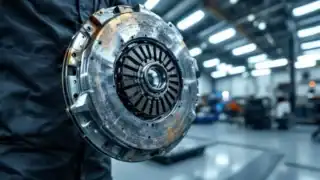
A BMW clutch replacement is one of those repairs that catches owners off guard. The clutch is what connects your engine to the gearbox, and when it wears out, you lose the ability to smoothly transfer power to the wheels. Unlike some wear items that degrade gradually, a failing clutch can go from manageable to undriveable in a short space of time. If you’re noticing signs that your BMW’s clutch needs attention, getting it inspected and replaced properly is essential to avoid being stranded. At our Mitchell workshop, we handle BMW clutch replacement with the diagnostic care and parts quality that these cars need.
Signs Your BMW Clutch Is Wearing Out
The clutch on a BMW doesn’t usually fail without warning. Most owners notice symptoms well before the clutch becomes completely unusable, which gives you a window to book service before you’re stuck.
- Soft or spongy clutch pedal that doesn’t feel responsive
- Difficulty engaging gears, or gears grinding when you shift
- Clutch pedal sits lower than it used to, or feels like it’s sinking down
- Engine revs rise but the car moves slowly, or struggles to accelerate smoothly
- Burning smell when you press the clutch pedal, or a smell like friction material
- Clutch engages very high or very low in the pedal travel
If you’ve noticed any of these, the clutch disc, pressure plate, or release bearing is likely worn and needs assessment. BMW models, particularly older 3-series and 5-series vehicles, can develop clutch wear faster if the car has been driven hard or if the previous owner rode the clutch. Manual transmission BMWs also tend to show these symptoms more clearly than automatics.
What Happens During a BMW Clutch Replacement in Mitchell
A BMW clutch replacement is a substantial job. The gearbox has to come out to access the clutch assembly, which means we’re looking at a methodical, multi-step process rather than a quick fix.
Inspection and Diagnostics
We start by confirming the clutch is actually the problem. Sometimes symptoms that feel like clutch wear are actually transmission issues or hydraulic problems. On BMW models, we check the clutch master cylinder, slave cylinder, and hydraulic lines first, because a failed seal or air in the system can create the same symptoms as a worn disc. If hydraulics check out, we’ll move to visual and mechanical inspection.
Removal and Assessment
Once we’re certain the clutch itself is the issue, we remove the gearbox. This involves disconnecting the propshaft, unbolting the transmission, and carefully lowering it. We then inspect the clutch disc, pressure plate, and release bearing. Often, wear on one component means the others aren’t far behind, so we assess the whole assembly rather than replacing just one part.
Parts Selection and Fit
For your BMW, we use quality parts that match OEM specifications. BMW clutch systems are precisely engineered, and mismatched parts can lead to poor engagement, premature wear, or drivability issues. We source components that align with your car’s model year and specification. The flywheel is usually resurfaced or replaced depending on its condition, because a scored or glazed flywheel will shorten the life of a new clutch disc.
Installation and Testing
Installation is the reverse of removal, but with critical steps: proper alignment of the clutch disc, correct torque on all fasteners, and bleeding the hydraulic system to remove air. Once the gearbox is back in, we test the clutch engagement, verify smooth gear changes, and confirm the pedal feels correct before you drive it away.
What Affects the Cost and Timeline of BMW Clutch Work
Several factors influence how much time and money a BMW clutch replacement requires.
Parts choice matters. OEM BMW clutch kits are at the premium end. Genuine-equivalent parts from quality suppliers like Penrite are reliably engineered and cost less without compromising performance or longevity. We don’t use no-name stock parts on BMWs because the engineering just isn’t there, and you’ll pay for it in repeat repairs.
Flywheel condition is a hidden variable. If the flywheel is damaged or worn, we’ll need to replace it rather than resurface it, which adds cost and time. We assess this during the job and let you know before proceeding.
Complexity varies by model. Some BMW generations require more work to access the transmission than others. Older models or models with additional components near the gearbox may take longer. We’ll give you a realistic timeframe once we’ve inspected your car.
Hydraulic system issues sometimes emerge during removal. If the master or slave cylinder is leaking, we’ll recommend replacement to avoid a repeat clutch failure soon after. This adds to cost, but prevents you from being stranded six months later.
Why Our Mitchell Workshop Handles BMW Clutch Replacement Properly
You’re dealing directly with mechanics who understand BMW engineering, not service advisors reading a script. Our owner has over 10 years in the trade, and we’ve done enough BMW clutch jobs to know where corners get cut and where they shouldn’t be.
We use quality parts and quality fluids because a BMW demands it. Penrite and equivalent suppliers, not the cheapest option that makes spreadsheets look good. Transparent pricing means you know what you’re paying for before we start. We’ll explain what the clutch problem is, what it’ll cost to fix it properly, and what can wait if budget is a concern.
Independent workshop means we’re not locked into dealership labour rates or mandatory upsell packages. You get fair pricing and honest advice. Our 5.0 verified reviews reflect the standard we hold across all our work, from BMW clutch replacement to logbook servicing, air conditioning work, and engine diagnostics.
Get Your BMW Clutch Inspected Today
If your BMW’s clutch is showing symptoms, the longer you wait, the higher the risk of a breakdown that leaves you without a car. Call & Book Now or Claim Your Free Inspection to have our team assess your clutch and give you a clear, transparent quote. We’ll get your BMW back to smooth, reliable shifting in our Mitchell workshop.