A clutch that’s wearing down or starting to slip is one of those issues that tends to get worse quickly. If your Mitsubishi clutch repair is overdue, you’ll feel it in how the car responds on acceleration or struggles to hold on hills. We service Mitsubishi models across Mitchell and surrounding areas, and clutch problems are something we see regularly in vehicles that have done high mileage or are driven in stop-start city traffic. The clutch is doing real work every time you change gear, so understanding what’s happening under the bonnet helps you decide when to book in.
Common Signs Your Mitsubishi Clutch Needs Attention
Before you book a Mitsubishi clutch repair, it helps to know what you’re listening and feeling for. The most obvious sign is a clutch pedal that feels spongy, travels too far down before catching, or doesn’t spring back properly. You might also notice the engine revving but the car not moving as quickly as it should, especially when pulling away from a stop or climbing a steep hill. Some drivers describe it as the engine slipping or losing power mid-acceleration.
Burning smell is another red flag. When friction material wears thin or the clutch is overheating, you’ll catch a distinct acrid odour. If you smell it, the clutch is under stress and needs inspection soon. Grinding noises when changing gear, particularly into reverse, can indicate wear on the clutch plate or flywheel. Difficulty getting into gear, a gear stick that resists moving between positions, or a clunking sound when you disengage the clutch are all signs that something in the clutch assembly or its linkage needs checking.
- Clutch pedal feels soft or travels further than normal
- Engine revs but acceleration feels weak or delayed
- Burning smell from the engine bay during or after driving
- Grinding or crunching noise when changing gears
- Difficulty engaging gears or gear stick resistance
- Vehicle rolls backward on hills when in gear
How We Diagnose and Repair a Mitsubishi Clutch
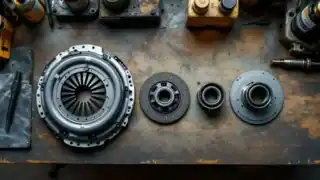
Our first step is a proper test drive and physical inspection. We check how the clutch pedal feels, listen for noises, and assess how the car responds under load. For Mitsubishi models, we’re aware of common wear patterns on their clutch assemblies and follow Mitsubishi’s diagnostic approach to pinpoint whether the issue is the friction plate, the pressure plate, the release bearing, or the flywheel. Each part wears differently, and knowing which one is failing tells us exactly what needs replacing.
Once we’ve identified the problem, we’ll explain what’s worn, why it happened, and what your options are. A full clutch repair on a Mitsubishi typically involves removing the gearbox, inspecting the flywheel for scoring or heat damage, replacing the friction plate and pressure plate assembly, and fitting a new release bearing. Mitsubishi clutches perform well when serviced properly, and we use quality replacement parts that match the original specification rather than cheap generic alternatives.
We also inspect the flywheel and clutch fork during the job. If the flywheel is damaged or unevenly worn, machining or replacement may be needed to ensure the new clutch bed settles properly. Skipping this step can leave you with a clutch that wears out faster or feels inconsistent. The release bearing gets a fresh part every time because it’s usually worn when we’re in there, and replacing it at the same time prevents a callback six months down the line.
What Affects Cost and Turnaround Time
Clutch repair time and cost depend on a few variables. The biggest factor is whether it’s just the clutch assembly or whether the flywheel needs attention too. Mitsubishi flywheels can develop scoring or heat patches from years of normal wear, especially in vehicles driven in heavy traffic or with aggressive driving habits. If yours is serviceable, we can machine it; if it’s too far gone, replacement is cleaner and more reliable.
Parts availability is usually straightforward for popular Mitsubishi models like the ASX, Outlander, and Lancer, so we don’t typically wait on components. Labour time varies depending on your model and engine layout, but a standard clutch repair usually runs a few hours once the gearbox is out. We always give you a clear picture of what’s needed before we start so there are no surprises on the bill.
Whether we use Mitsubishi genuine parts or quality aftermarket equivalents can also affect the final cost. We stock quality parts and oils like Penrite and Rico, not cheap no-name stock, so your repair lasts and performs properly. We’ll explain the difference in durability and cost upfront so you can choose what suits your budget and how long you plan to keep the car.
Why Choose ZP Automotive for Your Mitsubishi Clutch Repair in Mitchell
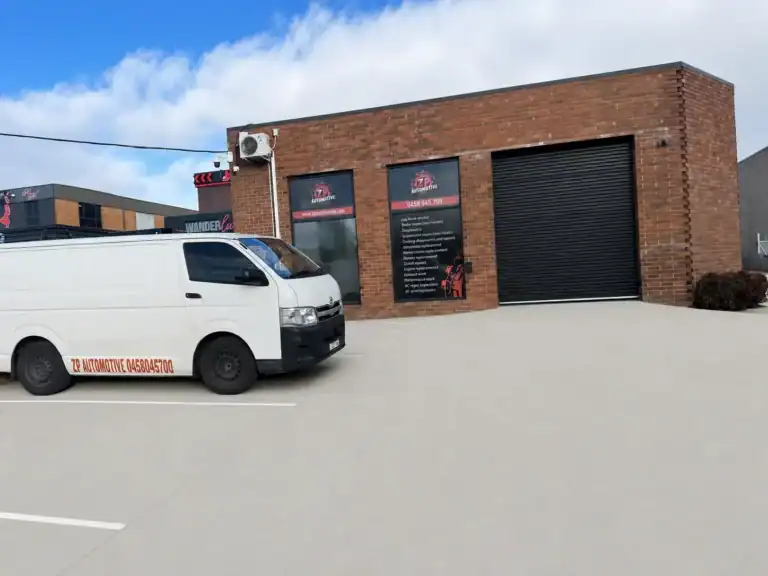
When you bring your car to us, you deal directly with the mechanic doing the work. There’s no service advisor, no upsell scripts, and no dealership labour rates. With over 10 years in the trade, this workshop is owner-operated and family-run, so your car gets genuine attention and honest advice. If a repair can wait, we’ll tell you. If it’s urgent for safety or reliability, we’ll explain why and what it costs.
Our transparent pricing and plain-English explanations mean you’ll understand exactly what’s broken, what we’re fixing, and what it’ll cost before we begin. We use quality parts and fluids that actually last, and we stand behind our work. Whether you’re at the start of a clutch issue or you know you need a full replacement, we’ll get it sorted properly so your Mitsubishi stays reliable. We also handle logbook servicing to keep your manufacturer warranty intact, plus brakes, wrong-fuel recovery, vehicle lockout and roadside assistance, air conditioning servicing, and engine diagnostics.
Book Your Mitsubishi Clutch Repair in Mitchell
If you’ve noticed any of these signs, the sooner you get it checked, the better. A worn clutch only gets worse, and ignoring it risks stalling in traffic or losing power when you need it most. Call and book now to get your Mitsubishi inspected, or claim your free inspection online to get started. We’ll assess what’s happening with your clutch and give you a fair quote with no pressure.