A worn or damaged drive belt is one of those issues that creeps up quietly until your Japanese vehicle suddenly loses power steering, the air conditioning cuts out, or you’re stranded roadside with an overheating engine. Japanese vehicles drive belt replacement is a maintenance task that keeps multiple engine systems running smoothly, and catching it early saves you from far costlier repairs down the line. At ZP Automotive in Mitchell, we inspect and replace drive belts on Japanese vehicles regularly, and we’ve learned that most owners don’t realise how many critical systems depend on that single belt until it fails.
Signs Your Japanese Vehicle Needs a New Drive Belt
Your car will usually give you warning signs before a belt fails completely. The most obvious is a squealing noise coming from the engine bay, especially on cold mornings or when you’re turning the steering wheel hard. That squeal means the belt is slipping against the pulleys because it’s lost grip or developed cracks. Other symptoms include power steering becoming heavy or unresponsive, the air conditioning compressor not engaging, or the engine running hotter than usual. Some drivers notice a burning smell near the engine, which is friction from a belt that’s about to give up.
Japanese vehicles, particularly Toyota, Mazda, Honda, and Nissan models, tend to be reliable, but their drive belts follow the same wear pattern as any other vehicle. Most manufacturers recommend inspection every 40,000 to 60,000 kilometres and replacement between 60,000 and 100,000 kilometres, though some newer models use serpentine drive belts that last longer. Checking your logbook or owner’s manual will tell you the exact service interval for your model. If your vehicle is due for a scheduled service, a drive belt inspection in Mitchell should be part of that routine check.
What Happens During Japanese Vehicles Drive Belt Replacement
Replacing a drive belt isn’t just about swapping out the old part. We start with a full inspection of the belt itself, checking for cracks, fraying, glazing, or signs of misalignment. We also examine the pulleys and tensioner that the belt runs across, because a worn pulley can destroy a new belt quickly, and a faulty tensioner won’t keep the new belt at the right tension.
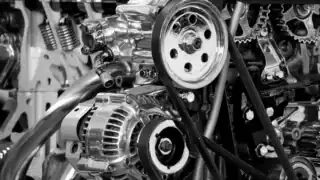
Once we’ve confirmed the belt is the problem and checked the supporting components, we remove the old belt carefully. On many Japanese vehicles, there’s a routing diagram under the bonnet or in the service manual that shows exactly how the new belt threads across the alternator, water pump, power steering pump, and air conditioning compressor. We follow that diagram precisely. The new belt is fitted at the correct tension—too loose and it’ll slip, too tight and it’ll stress the bearings and shorten the belt’s life.
For Japanese vehicle engine drive belt replacement, we use quality parts that match your vehicle’s original specification. If the tensioner or pulleys show wear during our inspection, we’ll let you know what needs replacing and why, without pressure to do it all at once. Sometimes a tensioner can wait for your next service; sometimes it needs addressing immediately to avoid damaging the new belt. This transparency is exactly what keeps customers returning to ZP Automotive in Mitchell rather than chasing cheaper quotes elsewhere.
Cost, Timing, and What Influences the Job
Several factors affect how long the work takes and what you’ll pay. Some Japanese vehicles have the drive belt easily accessible under a plastic cover, while others require removing other components to reach it. A Toyota Camry typically takes less time than a Honda Accord with tighter engine bay packaging. The type of belt also matters—a simple serpentine drive belt is straightforward; some older models use V-belts or multiple belts working together, which takes longer to diagnose and replace properly.
Parts availability can vary too. Genuine Japanese manufacturer parts are usually in stock for common models, but we also use quality aftermarket alternatives that meet OEM specifications and cost less. We’ll explain your options upfront and let you decide. Labour time ranges depending on how accessible the belt is, but we never charge dealership rates—you’re dealing directly with the mechanic doing the work, not a service advisor with upsell scripts.
Why Trust ZP Automotive in Mitchell for Your Japanese Vehicle
We’ve worked on Japanese vehicles for over 10 years, and we understand the quirks of different makes and model generations. We use quality parts like Penrite oils and genuine-equivalent components, not the cheapest no-name stock. Our approach is straightforward: we inspect thoroughly, explain what we find in plain English, tell you the cost upfront, and do honest work without pressure to replace parts you don’t actually need yet.
Because we’re owner-operated and family-run, you’re not caught in a corporate service chain. Logbook servicing through us keeps your manufacturer warranty intact, even if your vehicle is new. We’ve handled everything from routine Japanese vehicles serpentine drive belt replacement to emergency roadside belt failures, and we treat every job with the same care. Our 5.0 verified reviews reflect our commitment to fair pricing and work that stands behind itself.
Book Your Drive Belt Inspection in Mitchell
If your Japanese vehicle is making squealing noises, your power steering feels heavy, or you’re due for a belt check based on your logbook, don’t wait for a failure. Call and Book Now or Claim Your Free Inspection online to get the belt and related components assessed properly. We’ll tell you exactly what’s needed and what it’ll cost before we start work.