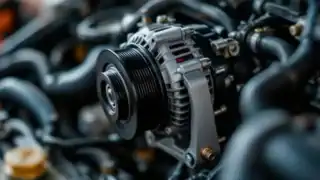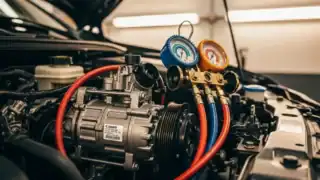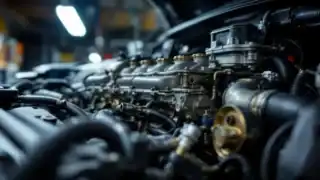
Drive belts are one of those parts that European vehicle owners often overlook until something goes wrong. Whether you’re driving a Volkswagen, Audi, BMW, Mercedes, or another European marque, the serpendine belt or drive belt is quietly keeping your engine running smoothly every single day. European vehicles drive belt replacement is not something that should wait until you’re stranded on the roadside. Getting it done proactively means your car keeps running reliably, and you avoid the cost and inconvenience of a breakdown. If you’re in Mitchell and noticing belt noise or roughness, ZP Automotive can get you back on the road quickly.
Why European Vehicle Drive Belts Need Regular Attention
The drive belt on your European vehicle does heavy lifting. It turns the alternator, power steering pump, water pump, and air conditioning compressor. Over time, the rubber cracks, glazes, and frays. Many German and European manufacturers specify tighter tolerances and recommend belt replacement at specific intervals or mileage points. Ignoring a worn belt doesn’t just risk a breakdown; it risks damage to the systems the belt drives, which can turn a simple belt replacement into a far more expensive repair.
Symptoms That Point to Drive Belt Replacement
You don’t always need a mechanic to spot a failing drive belt. If you’re noticing any of these signs, bring your European vehicle in for inspection:
- Squealing or chirping noises from the engine, especially when the car is cold or accelerating
- Visible cracks, fraying, or glazing on the belt itself when you peer under the bonnet
- Loss of power steering assistance or difficulty turning the wheel
- Battery warning light illuminated (the alternator may not be charging properly)
- Air conditioning no longer blowing cold air
- Overheating (the water pump may not be circulating coolant efficiently)
European vehicles often run hotter and at higher tolerances than other makes. A belt that’s marginal in a Japanese car might already be causing secondary damage in a European vehicle. That’s why we don’t wait for the belt to snap; we replace it as soon as wear is visible.
How European Vehicle Drive Belt Replacement Works
When you book your European vehicles drive belt replacement with us, the process starts with a full inspection. We look at the belt itself under proper light, check belt tension (many European models have automatic tensioners, which we also inspect), and confirm the correct OEM-specification belt for your vehicle. European manufacturers can be particular about belt specifications. A Volkswagen TSI engine, for example, needs a different belt than a BMW N52. We verify the exact part number against your vehicle’s documentation to ensure fitment and longevity.
Replacement involves removing the lower engine covers if fitted, releasing the tensioner, and sliding the old belt off the pulleys. We inspect the pulleys themselves for wear, cracks, or glazing. If a pulley is damaged, it will damage your new belt quickly. Once we’re satisfied the pulleys are sound, we fit the new belt, set the correct tension using either manual adjustment or the automatic tensioner, and run the engine to confirm everything is tracking properly and the squealing has stopped.
Some European vehicles require additional diagnostic steps. Condition-based servicing on newer models may trigger belt replacement recommendations through the onboard system. We read these using manufacturer-level diagnostics, so you know exactly what your vehicle is telling us and why the belt replacement is necessary now rather than later.
Cost and Timeframe for European Vehicle Belt Replacement
Drive belt replacement cost varies depending on a few factors. The belt itself is rarely expensive, but access can be. Some European engines are tightly packaged, requiring removal of other components to reach the belt safely. A Volkswagen GTI might take 45 minutes; a BMW with auxiliary components in the way might take two hours. We use quality Penrite belts and genuine-equivalent parts that meet OEM specifications, not the cheapest aftermarket stock. That means you’re not replacing the belt again in two years.
Parts availability is generally straightforward for common European models in Mitchell and the surrounding area, but older or rare vehicles occasionally require a day or two for parts to arrive. We’ll give you honest feedback on timing before we start, so you’re not left guessing.
Why Choose ZP Automotive for European Vehicle Drive Belt Replacement
You’re dealing directly with the mechanic doing the work, not a service advisor reading from a script. We have over 10 years in the trade and know European vehicles well. We explain what’s wrong, what it’ll cost, and what can wait. We use quality parts from Penrite and other trusted suppliers that meet or exceed manufacturer specifications, and we price fairly without dealership labour rates. If your European vehicle is relatively new, logbook servicing with us keeps your manufacturer warranty intact, and we document everything properly so you have no drama with warranty claims down the track.
We’re owner-operated and family-run. That means we care about getting it right the first time, not pushing unnecessary work or cutting corners to chase profit. We also handle wrong-fuel recovery, vehicle lockout and roadside assistance, air conditioning servicing, engine diagnostics, ACT rego inspections, and fleet servicing if you need that capability.
Next Steps
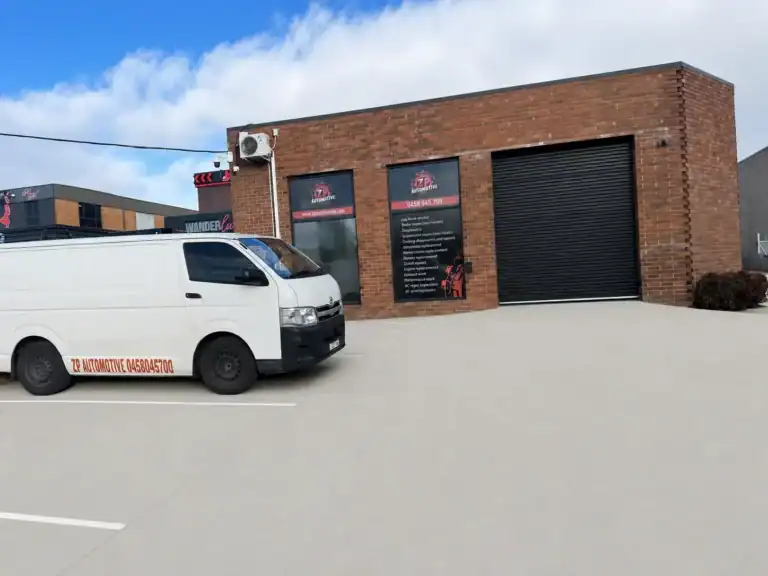
If you’ve noticed belt noise or it’s due for planned maintenance, call ZP Automotive now to book your appointment, or claim your free inspection online. We’ll check the belt, confirm what needs doing, and give you a clear price before we proceed. We’re based in Mitchell and service the north Canberra area. Your European vehicle will be back in reliable shape.