Owner-Operated Workshop
Quality Parts & Oils
5.0★ Rating
Transparent Pricing

5.0 (Verified Reviews)

Expert Mazda Tailshaft Repair In Mitchell

Tailshaft problems affect your Mazda's handling and safety. We diagnose worn bearings, damaged seals, and shaft wear, then repair or replace with quality parts. Call & Book Now for your inspection.

Honest Advice

Quality Parts

5.0★ Rating

Mazda Driveline Experts

Claim Your Free Check

Fill in the form and we'll get back to you promptly — no obligation.

Booking Form
  • Vehicle Details
  • Confirm Vehicle
  • Services
  • Contact Details
No Upsell Scripts
Quality Parts Used
Plain-English Advice

Why Book With Us

Claim Your Free Inspection
Drop Off Your Car
We Get to Work
Back on the Road

A failing tailshaft can turn a routine drive into a stressful breakdown, and Mazda tailshaft repair in Mitchell is one of those services that often catches owners by surprise. The tailshaft, also called a propeller shaft or drive shaft, transfers power from your transmission to the rear differential, and when it develops problems, you’ll notice it quickly. Whether you drive a Mazda CX-5, Mazda3, or a larger Mazda model, we’ve seen plenty of tailshaft issues in the workshop, and they’re not something to ignore.

Signs Your Mazda Tailshaft Needs Inspection

Tailshaft problems announce themselves in unmistakable ways. If you hear a clunking or knocking noise coming from underneath the vehicle, especially when accelerating or going over bumps, your tailshaft bearings or centre support bearing could be worn. Vibration that increases with speed, a rhythmic shaking felt through the floor or steering wheel, or a loud rattling when you shift gears are all classic symptoms of Mazda tailshaft wear.

Some drivers notice a grinding sound during turns, which often indicates a worn universal joint or U-joint. Others come in after feeling a noticeable loss of power transfer, where the car feels sluggish or unresponsive when accelerating. Once these symptoms appear, they rarely improve on their own, and continuing to drive on a damaged tailshaft puts stress on the transmission and differential, which can make the repair bill significantly larger down the track.

What Mazda Tailshaft Repair Involves

When you bring your Mazda in for tailshaft diagnosis, we start with a thorough inspection on the hoist. We check the condition of the U-joints at both ends, test the centre support bearing for play and wear, and rotate the shaft by hand to feel for grinding, clunking, or rough spots. We also inspect the shaft itself for dents, cracks, or straightness issues, which can develop if the vehicle has been involved in a collision or driven hard over rough terrain.

For Mazda models, we use OEM service information to check shaft balance specifications and runout tolerances specific to your vehicle’s model year and transmission type. Depending on what we find, the repair might involve replacing worn U-joints, fitting a new centre support bearing, or replacing the entire shaft assembly if damage is severe. We source OEM-equivalent or quality aftermarket Mazda parts that meet factory specifications, helping your vehicle perform as it should and keeping your logbook servicing intact if you’re maintaining manufacturer warranty coverage.

Once we’ve fitted the new component, we balance the shaft if necessary to eliminate vibration and test-drive the vehicle to confirm the repair has resolved the symptoms. We don’t just fix the immediate problem; we identify what caused the failure in the first place, whether that’s worn transmission mounts, suspension wear, or other factors that could damage a replacement shaft prematurely.

What Affects Cost and Repair Time for Tailshaft Work

Several variables shape the final cost and timeline for Mazda tailshaft repair. The age and model of your Mazda affects parts availability; newer Mazda models often have parts in stock or available within days, while older or less common models may require ordering. Whether the issue is limited to a single U-joint (which can sometimes be replaced in isolation) or requires a full shaft replacement changes the labour time significantly.

If the tailshaft has been damaged by poor driving conditions or impact, or if the failure has already damaged the transmission or differential, additional components may need attention, extending both time and cost. We also discuss whether to fit OEM Mazda parts or quality equivalent options; we source parts from trusted brands like Penrite and Rico that meet factory specs without dealership pricing.

Most tailshaft repairs take one to three days depending on parts availability and whether any secondary damage needs addressing. We’ll confirm timeframes and costs upfront before starting work, so you’re never surprised.

Why ZP Automotive for Mazda Tailshaft Repair in Mitchell

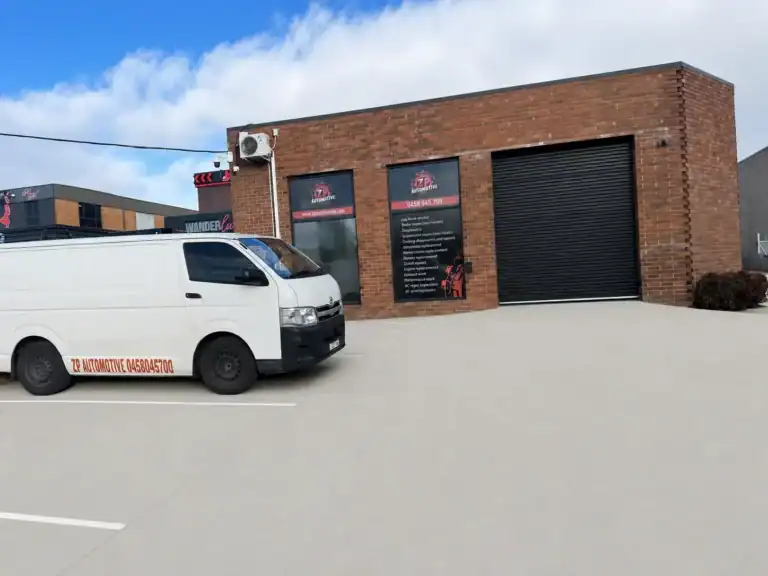
We’re an independent, owner-operated workshop in Mitchell with more than 10 years in the trade, and we specialise in honest diagnostics. We don’t push unnecessary parts or services; we explain exactly what’s wrong with your tailshaft, what needs fixing now, and what can be monitored. You’ll deal directly with the mechanic doing the work, not a service adviser reading from a script or pushing dealership labour rates.

Our logbook servicing approach keeps your Mazda’s manufacturer warranty intact, and we use quality parts and oils like Penrite and Rico because they’re reliable, not because they’re the cheapest option on the shelf. We’re transparent about pricing, parts choices, and timelines, and we understand that a tailshaft repair is an unexpected expense; we make sure you get fair value and honest advice every time you walk through the door. We also handle rego inspections, air conditioning servicing, engine diagnostics, and wrong-fuel recovery for drivers right across the Mitchell area.

Next Steps for Your Mazda Tailshaft Inspection

If your Mazda is showing signs of tailshaft wear, the sooner you have it inspected, the better. Contact ZP Automotive in Mitchell to Claim Your Free Inspection or Call & Book Now to chat through what you’ve noticed. We’ll get your Mazda back to quiet, smooth, reliable driving.
Honest Mechanics, Fair Prices in Mitchell

Owner-operated and family-run, we give you straight answers, quality parts, and fair pricing without the dealership markup or the upsell scripts.

You Deal With the Mechanic

Talk directly to the owner — no service advisors, no middlemen, no upsell pressure.

Quality Parts, Honest Pricing

Bring your vehicle in and we’ll assess what’s needed before any work begins.

Mazda Tailshaft Specialists

We repair Mazda tailshafts with brand-specific knowledge and proper diagnostic equipment.

How Mazda Tailshaft Repair Works

Get your Mazda tailshaft diagnosed and repaired quickly with clear steps from inspection through collection.

Step 1

Claim Your Free Inspection

Claim your free inspection to diagnose tailshaft faults and get a clear repair plan outlined.

Step 2

Tailshaft Diagnostic Assessment

We inspect your Mazda tailshaft for wear, damage, and bearing play using hands-on testing.

Step 3

Tailshaft Repair or Replacement

We rebuild or replace your tailshaft with quality components, restoring smooth power delivery.

Step 4

Quality Check and Handover

We test drive your Mazda to confirm the repair works, then notify you for collection.

What Our Customers Say

5.0 (Verified Reviews)

Quality Parts From Trusted Suppliers

We use quality oils and parts from reputable suppliers — including Penrite and Rico — because what goes into your car matters as much as the work itself.

Claim Your Free Check

Fill in the form and we'll get back to you promptly — no obligation.

Booking Form
  • Vehicle Details
  • Confirm Vehicle
  • Services
  • Contact Details
No Upsell Scripts
Quality Parts Used
Plain-English Advice

Why Book With Us

Claim Your Free Inspection
Drop Off Your Car
We Get to Work
Back on the Road

Got Questions? We Have Answers

Browse the common questions below. If yours isn't listed, give us a call and we'll give you a straight answer.

Tailshaft wear typically comes from high mileage, worn bearings, or damage to the universal joints that connect the shaft to the gearbox and differential. Corrosion from road salt, especially in Australian conditions, can accelerate deterioration. If you notice vibration, clunking sounds during gear changes, or see grease leaking from the joints, the tailshaft needs inspection soon. Catching it early prevents damage to other drivetrain components.

Most tailshaft repairs run 2-4 hours depending on whether we’re servicing the joints, replacing bearings, or rebuilding the entire shaft. If a full replacement is needed, you’re looking at the same timeframe. We’ll diagnose the problem when your car comes in and give you a clear idea of how long it’ll take before we start work. For Mitchell customers, we can often fit you in same-day if you call ahead.

A severely damaged tailshaft can cause sudden loss of drive to the rear wheels, which is a serious safety risk, especially at highway speeds. Even minor damage like worn universal joints creates vibration and uneven power delivery that gets worse over time. Don’t ignore clunking or vibration from underneath your car. Get it inspected promptly to avoid being stranded or experiencing an unexpected drivetrain failure on the road.

Under ACCC guidance, having your Mazda serviced by a qualified independent mechanic does not automatically void your manufacturer warranty, provided the service is carried out to the required standard and you keep records. Logbook servicing at an independent workshop is generally recognised as legitimate maintenance. We recommend checking your specific warranty paperwork and, if you’re uncertain, asking your Mazda dealer directly about their stance. Either way, we keep full service records for your protection.

We lift the vehicle, remove the tailshaft from both the gearbox and differential, and inspect it for wear, damage, and corrosion. We clean and check the universal joints and centre bearing. If joints are worn, we either service them with fresh grease or replace them. We also inspect the shaft for cracks or bending. Once repaired or rebuilt, we refit it, check alignment and balance, and test-drive to confirm smooth operation.

Tailshaft servicing isn’t always a scheduled item in manufacturer logbooks, but we recommend a visual inspection every 40,000 to 60,000 kilometres, especially if you tow or regularly drive on rough roads. High-mileage vehicles or those exposed to corrosive conditions should be checked more frequently. Most Mazda owners don’t need routine service until wear symptoms appear, but regular checks catch wear early. If you’re unsure, ask us to inspect it during your next logbook service.

Watch for vibration underneath the car that increases with speed, clunking or banging sounds when you accelerate or decelerate, or a grinding noise from the centre of the vehicle. You might also notice grease splatter on the inside of the wheel rim near the tailshaft, or feel a slight delay in power transfer when changing gears. Any of these symptoms mean the tailshaft joints, bearings, or centre bearing are worn and need inspection straight away.

Yes, many tailshaft issues can be repaired. Worn universal joints can be replaced while keeping the shaft itself, and centre bearings can be renewed. We assess the condition of the entire shaft first. If the shaft is bent, cracked, or heavily corroded, replacement is the better option. Repair is usually more affordable and faster than replacement, so we’ll always recommend repair if it’s safe and practical to do so.

We use quality OEM-equivalent parts that meet Mazda specifications and are fully compatible with your vehicle. These parts deliver the same performance and durability as genuine Mazda components but at a better cost. All parts come with warranties, and using them maintains your vehicle’s reliability without affecting warranty coverage in the way ACCC guidance recognises. We’re happy to discuss part sourcing with you before we start any work.

Universal joints connect the tailshaft to the gearbox and differential and allow the shaft to flex. When worn, they cause clunking during gear changes and vibration. The centre bearing supports the middle of the tailshaft on longer vehicles. A worn centre bearing creates vibration at certain speeds and may cause grease leakage. Both wear patterns feel different, and we can identify which is causing your symptoms during inspection. Treatment depends on which component has failed.

A worn tailshaft with damaged universal joints or bearings creates extra friction and resistance in the drivetrain, which can increase fuel consumption. The vibration also means your engine is working harder to maintain smooth power delivery. You might not notice a huge drop immediately, but combined with other effects, it adds up. Getting your tailshaft serviced keeps the drivetrain running smoothly and helps maintain efficient fuel use.

Yes, balancing is important. If we replace the shaft or carry out major repair work, we always balance it to prevent vibration at highway speeds. An unbalanced tailshaft creates uncomfortable vibration through the chassis and can accelerate wear on other drivetrain components and suspension parts. Balancing is a quick process and is part of our standard repair procedure, so your vehicle drives smoothly and safely after work is complete.

Continue to site