Owner-Operated Workshop
Quality Parts & Oils
5★ Reviews
Transparent Pricing

Verified 5★ Reviews

Professional Suzuki Tailshaft Repair In Mitchell

Tailshaft damage affects how your Suzuki drives and handles. We diagnose the problem, explain what needs fixing, and get you back on the road with quality parts and fair pricing.

Honest Advice

Quality Parts

5★ Reviews

Suzuki Tailshaft Expertise

Claim Your Free Check

Fill in the form and we'll get back to you promptly — no obligation.

Booking Form
  • Vehicle Details
  • Confirm Vehicle
  • Services
  • Contact Details
No Upsell Scripts
Quality Parts Used
Plain-English Advice

Why Book With Us

Claim Your Free Inspection
Drop Off Your Car
We Get to Work
Back on the Road

A tailshaft connects your Suzuki’s transmission to the rear axle, transferring engine power to the wheels. When it wears, cracks, or becomes misaligned, you’ll notice vibration, clunking sounds, or loss of traction. Suzuki tailshaft repair in Mitchell requires prompt attention because a failing tailshaft can leave you stranded and create safety risks on the road. We inspect and repair Suzuki tailshafts using OEM-spec procedures and quality parts that keep your vehicle reliable.

Signs Your Suzuki Tailshaft Needs Repair

Suzuki tailshaft problems usually announce themselves through driving symptoms you’ll feel or hear before the part fails completely. The most common warning signs include:

  • Vibration felt through the steering wheel, seats, or floorboard at highway speeds
  • Clunking or banging noise when accelerating or decelerating
  • Loss of power delivery, as if the engine’s revving but the car isn’t accelerating smoothly
  • Grinding or squealing from underneath the vehicle
  • Difficulty engaging gears or resistance when shifting
  • Visible damage, rust, or scoring on the tailshaft surface

Some Suzuki owners ignore early vibration, thinking it’ll pass. It won’t. The tailshaft supports enormous torque loads, and once cracks or wear begin, they accelerate quickly. Driving on a severely damaged tailshaft risks sudden failure that can leave you without power at an intersection or on a busy road.

How We Diagnose and Repair Suzuki Tailshaft Issues in Mitchell

We start by lifting your Suzuki on a hoist and inspecting the entire tailshaft assembly for visible damage, rust, cracks, or play in the universal joints. We also check the centre bearing and bushings, which support the tailshaft in the middle of the vehicle. Worn bushings allow excess movement that triggers vibration even if the shaft itself is sound.

Next, we rotate the shaft by hand to feel for binding or rough spots that indicate internal damage or joint wear. If the symptoms suggest misalignment or bent shaft, we measure runout using precision tools to confirm the diagnosis. Suzuki’s OEM service schedules don’t always flag tailshaft service as routine, but age, mileage, and driving conditions all affect lifespan. Older Suzuki models especially benefit from proactive inspection, particularly Vitara, Swift, and Jimny owners in the Mitchell area who may encounter rough roads or higher-mileage conditions.

Once we’ve identified the problem, repair options depend on severity. A worn universal joint on an otherwise sound shaft can be replaced without replacing the whole assembly. If the shaft is cracked or severely bent, or if the centre bearing has failed, we replace the entire tailshaft with an OEM-equivalent or quality aftermarket part that meets Suzuki’s torque and vibration specifications. We always ensure the replacement is balanced to eliminate vibration and seated properly in the transmission and axle flanges.

What Affects Suzuki Tailshaft Repair Cost and Time

Several factors influence how much work is needed and how long the repair takes. The severity of damage is first: a simple joint replacement takes less time than a full shaft swap. Suzuki model matters too. Older Swift, Vitara, and Jimny models often have different tailshaft designs and availability, which affects parts sourcing and labour time.

Parts availability is another real variable. OEM Suzuki tailshafts can take time to source depending on your model and year. We stock quality aftermarket equivalents that meet OEM specifications, which often means faster turnaround without sacrificing durability. We never fit cheap parts just to cut corners; the tailshaft carries too much load for economy options.

Whether we’re replacing the whole shaft or just worn joints, we also need to inspect the transmission flange, axle flange, and centre support bearing. If those have damage too, repair time extends. We’re transparent about what we find and what can wait, so you’re never surprised by costs.

Why Choose ZP Automotive for Your Suzuki Tailshaft Repair

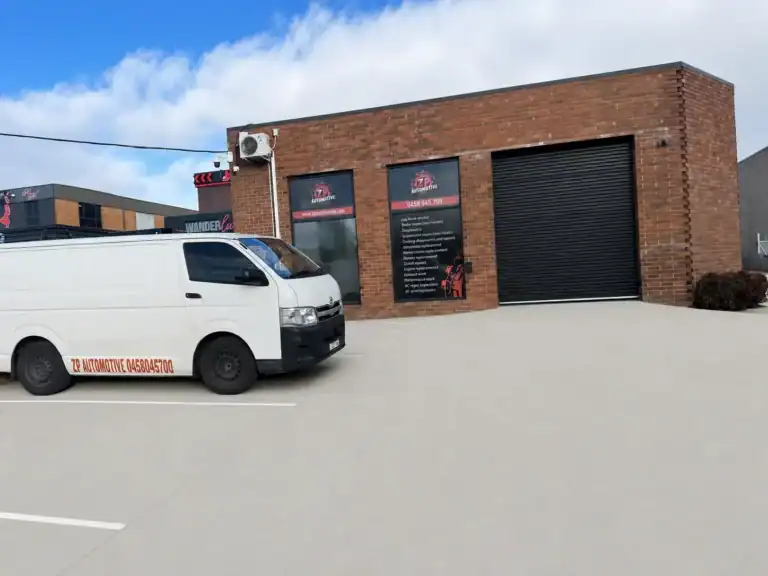
We’re an owner-operated, independent workshop in Mitchell with over 10 years’ experience diagnosing and fixing drivetrain issues on everything from Suzuki city cars to tough off-road models. You deal directly with the mechanic doing your work, not a service advisor reading from a script. We explain what’s worn, why it matters, what the repair involves, and what it’ll cost before we touch your Suzuki.

We use quality parts—Penrite oils and genuine-equivalent components that meet Suzuki’s standards, not cheap no-name stock. Our labour rates are fair and transparent; we don’t charge dealership prices for independent quality. If you’ve kept your Suzuki’s logbook serviced with us, we’ll verify that tailshaft repair doesn’t interrupt your maintenance schedule or manufacturer warranty protection.

We also handle other Suzuki drivetrain work: engine diagnostics if warning lights are present, air conditioning servicing, ACT rego inspections, and brake work. If something else shows up during tailshaft repair, we’ll flag it honestly so you can decide what to address now and what can wait.

Get Your Suzuki Tailshaft Inspected and Repaired in Mitchell

If your Suzuki is vibrating, clunking, or losing power, call us to book your inspection or claim your free inspection online. We’ll diagnose the tailshaft and any other issues, explain exactly what’s needed, and get you back on the road safely.
Honest Mechanics, Fair Prices in Mitchell

Owner-operated and family-run, we give you straight answers, quality parts, and fair pricing without the dealership markup or the upsell scripts.

You Deal With the Mechanic

Talk directly to the owner — no service advisors, no middlemen, no upsell pressure.

Quality Parts, Honest Pricing

Bring your vehicle in and we’ll assess what’s needed before any work begins.

Durable Tailshaft Repairs

We back every tailshaft repair with warranty coverage and use quality parts built to last.

How Suzuki Tailshaft Repair Works

We diagnose and repair your Suzuki's tailshaft professionally from start to finish.

Step 1

Claim Your Free Inspection

Claim your free inspection to assess your Suzuki's tailshaft condition and identify any issues.

Step 2

Tailshaft Inspection & Diagnosis

We inspect for wear, play, and bearing condition using hands-on assessment and test-drive feedback.

Step 3

Tailshaft Repair & Rebuild

We repair or rebuild using quality components and Suzuki-spec procedures for smooth power delivery.

Step 4

Test & Collection

We test-drive your Suzuki to confirm smooth operation, then notify you it's ready for collection.

What Our Customers Say

Verified 5★ Reviews

Quality Parts From Trusted Suppliers

We use quality oils and parts from reputable suppliers — including Penrite and Rico — because what goes into your car matters as much as the work itself.

Claim Your Free Check

Fill in the form and we'll get back to you promptly — no obligation.

Booking Form
  • Vehicle Details
  • Confirm Vehicle
  • Services
  • Contact Details
No Upsell Scripts
Quality Parts Used
Plain-English Advice

Why Book With Us

Claim Your Free Inspection
Drop Off Your Car
We Get to Work
Back on the Road

Got Questions? We Have Answers

Browse the common questions below. If yours isn't listed, give us a call and we'll give you a straight answer.

Your tailshaft connects the transmission to the rear axle and transfers power to your wheels. Suzuki tailshaft repair becomes necessary when you notice vibration at speed, clunking sounds during acceleration or deceleration, or visible damage to the shaft or U-joints. We inspect the entire assembly to identify worn bearings, bent shafts, or failed joints. Early attention prevents further damage to the transmission and axle, which are far more expensive to repair.

Watch for vibration that increases with speed, a clunking or knocking sound when you accelerate or change gear, and movement or play in the rear axle area. You might also notice the vehicle pulls to one side or feels unstable on corners. These symptoms suggest U-joint wear, bearing failure, or shaft damage. Driving on a failing tailshaft risks sudden loss of power to the wheels, so bring it in as soon as you notice these signs.

Most repairs take one to three hours depending on the extent of damage and which components need replacement. A simple U-joint replacement is quicker than a full shaft replacement or bearing overhaul. Once we inspect the shaft, we’ll give you a clear picture of what’s needed and how long it will take. Same-day service is often possible, though complex jobs may need a day to complete properly.

No. Australian consumer law, under ACCC guidance, generally allows owners to have their vehicles serviced and repaired by qualified independent mechanics without affecting manufacturer warranty. Your Suzuki’s coverage remains intact as long as the repair work is done to a professional standard and the fault isn’t caused by the repair itself. That said, check your specific warranty documents or contact your Suzuki dealer if you have concerns about coverage on a particular component.

We use quality replacement parts from trusted suppliers that meet Suzuki specifications. These are engineered to match OEM performance without the dealership markup. For U-joints, bearings, and seals, we choose components that deliver durability and smooth operation. We source parts that fit Suzuki’s design tolerances precisely, so you get reliability without paying dealer prices.

That depends on the severity of the bend and where it’s located on the shaft. Minor bends sometimes can be straightened, but deep bends or damage near the U-joints usually mean the shaft needs replacement. Attempting to repair a badly bent shaft risks further failure and safety issues. We will inspect it thoroughly and recommend the safest, most cost-effective option for your situation.

Cost varies depending on what’s damaged. A U-joint replacement is less expensive than replacing the entire shaft or overhauling bearings. Labour time, parts availability, and whether your Suzuki model has a single or double-cardan shaft all factor into the final price. Contact us with your vehicle details and symptoms, and we will give you an honest estimate before we start work.

Include a tailshaft inspection as part of your regular maintenance every 12 months or during routine servicing. Drivers who regularly tow or drive rough terrain should inspect more frequently, as extra load stresses the shaft and U-joints faster. Most tailshafts last the life of the vehicle with proper maintenance, but catching wear early prevents emergency repairs. We check it during logbook servicing and can flag any developing issues before they become costly.

We lift the vehicle and visually inspect the entire tailshaft assembly for damage, rust, and wear. We check U-joint movement by hand, test bearing play, and look for leaks from seals. We’ll spin the shaft to listen for noise and feel for rough spots. If we find issues, we’ll explain what needs fixing and why. The inspection typically takes 30 to 45 minutes, and we’ll give you a detailed report of our findings.

No, it’s not safe. Vibration usually indicates U-joint wear or a bent shaft, and continuing to drive puts stress on the transmission and rear axle. A failing tailshaft can eventually separate, leaving you without power to the wheels in traffic. Even if it doesn’t fail completely, the vibration worsens quickly and damages other components. Have it inspected promptly if you notice any unusual vibration or noise from the rear of your vehicle.

Continue to site