Owner-Operated Workshop
Quality Parts & Oils
5.0★ Rating
Transparent Pricing

5.0 (Verified Reviews)

Tried & Trusted Kia Tailshaft Repair In Mitchell

Kia tailshaft problems cause vibration, noise, or loss of power to the wheels. We diagnose the issue accurately and repair or replace the shaft to restore safe, smooth driveline operation.

Honest Advice

Quality Parts

5.0★ Rating

Kia Tailshaft Experts

Claim Your Free Check

Fill in the form and we'll get back to you promptly — no obligation.

Booking Form
  • Vehicle Details
  • Confirm Vehicle
  • Services
  • Contact Details
No Upsell Scripts
Quality Parts Used
Plain-English Advice

Why Book With Us

Claim Your Free Inspection
Drop Off Your Car
We Get to Work
Back on the Road

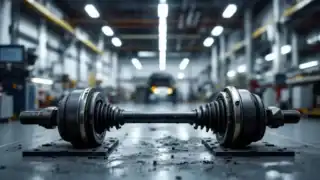
A failing tailshaft can leave you stranded. For Kia owners in Mitchell, a Kia tailshaft repair is one of those services that doesn’t announce itself quietly. You’ll notice it before it becomes a complete breakdown, but ignoring early warning signs will cost you far more than catching the problem early. The tailshaft transfers power from your transmission to the rear wheels, and when it starts to fail, the whole drive experience changes. We inspect and repair Kia tailshafts to get your vehicle back to reliable, smooth power delivery.

Signs Your Kia Tailshaft Needs Repair

The tailshaft isn’t something most drivers think about until something goes wrong. Knowing what to listen and feel for can save you from a roadside breakdown.

  • Clunking or banging sounds from under the car when accelerating or slowing down, especially noticeable in Kias with rear-wheel drive
  • Vibration through the car at highway speeds that gets worse as speed increases
  • Play or movement in the rear end when you rock the car back and forth
  • Loss of power to the rear wheels, or the car feeling like it’s slipping when you accelerate
  • A grinding or groaning noise that increases with speed
  • Oil leakage around the tailshaft joints or centre bearing

If you notice any of these symptoms, don’t delay. A worn tailshaft can damage other components if left unrepaired, and the damage spreads fast once it starts.

How We Diagnose and Repair Kia Tailshaft Issues

Tailshaft problems on Kias often stem from worn universal joints, a damaged centre bearing, or corrosion on the shaft itself. The good news is that diagnosis is straightforward if you know what to look for.

We start by lifting your Kia safely and inspecting the entire tailshaft assembly. We check for play in the universal joints by gripping the shaft and moving it by hand. A centre bearing that’s worn will show movement or noise when we apply pressure. We also look for signs of oil leakage, corrosion, or physical damage along the shaft. If the vehicle shows symptoms but the shaft looks sound, we road test it to confirm whether the noise or vibration is actually coming from the tailshaft or from something else, like worn wheel bearings or suspension components.

Kia tailshaft repairs usually involve replacing the universal joints, the centre bearing, or the entire shaft assembly, depending on what we find. Some Kias benefit from a reconditioned OEM-spec tailshaft, while others are better served by a new assembly. We’ll explain which option makes sense for your specific model and the extent of the wear. Kia models are often designed with specific tailshaft tolerances and bearing configurations, so we make sure any replacement components match the manufacturer’s original specifications for your vehicle.

Once the repair is complete, we test the vehicle to confirm the clunking or vibration is gone and power delivery is smooth again. A proper repair means your tailshaft will last the life of the car.

What Affects the Cost and Time for Your Kia Tailshaft Repair

Tailshaft repair timings depend on the damage and parts availability. A universal joint replacement on some Kia models can take a few hours. A full shaft assembly replacement might take longer, especially if the old shaft is seized or corroded and needs extra work to remove safely.

Parts availability matters too. Most Kia tailshaft components are straightforward to source, but if your model is older or less common, we might need to order a replacement. We’ll give you a clear estimate of how long the job will take once we’ve inspected the car. Different Kia generations use different shaft diameters and joint configurations, so sourcing the right part for your year and model is important to get it right first time.

The cost of a Kia tailshaft repair sits between a simple bearing replacement and a full new assembly. We use quality parts that match Kia specifications, not budget no-name stock. We’re transparent about what we’re fitting and why, so you know exactly what you’re paying for before we start work.

Why Kia Owners in Mitchell Trust Us for Tailshaft Work

You deal directly with the mechanic doing your work. No service advisor, no upsell scripts, no dealership labour rates. We’ve handled thousands of Kia repairs over more than 10 years in the trade. We know how Kias behave, where they wear, and what parts actually last.

We use quality parts and fluids that meet Kia specs. Your logbook servicing here keeps your manufacturer warranty intact if your vehicle is still under warranty. We explain what’s wrong, what it’ll cost, and what can wait. Fair pricing, honest advice, family-run operation. You’re not paying dealership rates for independent quality work.

If your tailshaft repair needs roadside assistance or you’re locked out while you’re getting the work done, we also handle vehicle lockout and roadside help to get you back on the road quickly. We’re owner-operated, which means the person doing your Kia tailshaft repair is the same person talking to you about what went wrong and what happens next.

Get Your Kia Tailshaft Inspected in Mitchell

Don’t wait for a complete failure. Call & Book Now to arrange your free inspection, or Claim Your Free Inspection using our online booking system. We’ll have your Kia back to smooth, reliable power delivery.
Honest Mechanics, Fair Prices in Mitchell

Owner-operated and family-run, we give you straight answers, quality parts, and fair pricing without the dealership markup or the upsell scripts.

You Deal With the Mechanic

Talk directly to the owner — no service advisors, no middlemen, no upsell pressure.

Quality Parts, Honest Pricing

Bring your vehicle in and we’ll assess what’s needed before any work begins.

Kia-Specific Diagnostics

We use Kia diagnostics and quality parts to get your tailshaft sorted first time.

How Kia Tailshaft Repair Works

From booking to collection, we handle your Kia tailshaft repair professionally and efficiently in Mitchell.

Step 1

Claim Your Free Inspection

Call & Book Now or book online to describe your tailshaft symptoms and claim your free inspection.

Step 2

Kia Tailshaft Diagnostic

We inspect the tailshaft, bearings, and mounts for wear, damage, or vibration using Kia diagnostics.

Step 3

Tailshaft Repair Or Replacement

We repair or replace the tailshaft, bearings, and seals with quality parts, then balance and test.

Step 4

Final Check And Collection

We perform a test drive to confirm smooth operation, then notify you the vehicle is ready.

What Our Customers Say

5.0 (Verified Reviews)

Quality Parts From Trusted Suppliers

We use quality oils and parts from reputable suppliers — including Penrite and Rico — because what goes into your car matters as much as the work itself.

Claim Your Free Check

Fill in the form and we'll get back to you promptly — no obligation.

Booking Form
  • Vehicle Details
  • Confirm Vehicle
  • Services
  • Contact Details
No Upsell Scripts
Quality Parts Used
Plain-English Advice

Why Book With Us

Claim Your Free Inspection
Drop Off Your Car
We Get to Work
Back on the Road

Got Questions? We Have Answers

Browse the common questions below. If yours isn't listed, give us a call and we'll give you a straight answer.

A tailshaft connects your gearbox to the rear axle and transmits engine power to your wheels. Repair becomes necessary when bearings wear, the shaft bends, or the universal joints fail. Common signs include a clunking noise from underneath when accelerating, vibration at certain speeds, or difficulty engaging gears smoothly. We inspect the entire assembly to identify exactly what needs fixing rather than replacing the whole unit.

Watch for clunking or knocking sounds from under the car, especially when you accelerate or change gears. Vibration through the floor or steering wheel at highway speeds is another red flag. You might also notice the car feels less responsive when pulling away from a stop. Don’t ignore these symptoms – a failing tailshaft can eventually leave you stranded, and continuing to drive on a damaged one risks further damage to the gearbox and axle.

Most tailshaft repairs take between two to four hours, depending on what’s wrong and how accessible the component is on your particular Kia model. A simple bearing or universal joint replacement is typically quicker than removing and rebalancing the entire shaft. We’ll give you a clear timeframe once we’ve inspected the damage, and we’ll keep you updated if anything unexpected comes up during the job.

It depends on the severity of the damage, but it’s not safe to ignore. A worn bearing or loose joint might allow you to limp to a mechanic, but a bent shaft or failed universal joint can cause sudden loss of drive or create dangerous vibrations that affect steering control. If you’re hearing unusual noises or feeling significant vibration, get it checked immediately rather than risking a complete failure on the road.

Australian consumer law, under ACCC guidance, generally does not require you to use a dealership for servicing or repair to maintain your manufacturer warranty. Independent workshops like ZP Automotive can perform tailshaft repairs without affecting your coverage, provided the work is done to a professional standard. We’d recommend checking your specific warranty terms or contacting Kia directly if you’re unsure about your particular vehicle’s conditions.

We use quality parts that match Kia specifications, not the cheapest no-name stock. Depending on what’s failed, we may use genuine Kia components or OEM-equivalent parts from trusted suppliers. We’ll explain your options and the difference in cost and durability before we start work. Bearing and universal joint quality directly affects how long the repair lasts, so we don’t cut corners here.

Some Kia models, particularly those with higher mileage or that spend a lot of time towing, see premature universal joint wear. The bearings can also deteriorate faster if the car’s been driven mostly on rough roads or through water crossings. Regular servicing and addressing vibration early helps prevent catastrophic failure. We see these patterns regularly and can advise you on preventive maintenance specific to your model and driving conditions.

We lift the vehicle safely and inspect the entire tailshaft assembly visually for obvious damage, bending, or wear. We check the universal joints by moving them by hand to feel for excessive play, test the bearings for roughness, and look for signs of oil leakage. We also listen carefully while you describe where and when the noise or vibration occurs. You’ll get a clear explanation of what we’ve found and what needs fixing.

Cost varies significantly depending on which component has failed and your specific Kia model. A universal joint or bearing replacement is less expensive than rebalancing or replacing the entire shaft. We provide transparent pricing once we’ve inspected the damage with no surprises or hidden charges. Unlike dealership labour rates, our pricing is fair and reflects the actual work involved, so you get quality work at an honest price.

A slightly bent shaft can sometimes be straightened and rebalanced, which is less costly than full replacement. However, if the bend is severe or the shaft shows signs of cracking, replacement is the safer and more durable option. We assess the damage during inspection and recommend the repair method that gives you the best value and reliability. Rebalancing is critical after any tailshaft work to prevent vibration returning.

Tailshafts aren’t usually part of routine maintenance schedules unless your vehicle has done significant high-mileage driving or towing. We’d recommend a visual inspection if you notice any unusual noises or vibration, and certainly before long trips or if you plan to tow. Most vehicles run trouble-free for many years, but catching early wear signs saves you from sudden roadside failure. Ask us to include a tailshaft check during your next service visit.

If you lose power to the wheels or experience severe vibration, safely pull over and call for roadside assistance or a tow truck. Don’t keep driving, as a complete tailshaft failure means no drive to the rear wheels and you’ll be stuck. ZP Automotive can help arrange recovery and once your car arrives at our workshop, we’ll diagnose the damage and get you mobile again.

Continue to site