Owner-Operated Workshop
Quality Parts & Oils
5.0★ Rating
Transparent Pricing

5.0 (Verified Reviews)

Local Isuzu Tailshaft Repair In Mitchell

Tailshaft problems can leave you stranded. We diagnose and repair Isuzu tailshaft issues in Mitchell with transparent pricing and quality workmanship.

Honest Advice

Quality Parts

5.0★ Rating

Isuzu Tailshaft Experts

Claim Your Free Check

Fill in the form and we'll get back to you promptly — no obligation.

Booking Form
  • Vehicle Details
  • Confirm Vehicle
  • Services
  • Contact Details
No Upsell Scripts
Quality Parts Used
Plain-English Advice

Why Book With Us

Claim Your Free Inspection
Drop Off Your Car
We Get to Work
Back on the Road

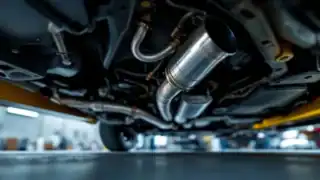
A tailshaft connects your transmission to the rear axle, transferring engine power to drive the wheels. On Isuzu vehicles, the tailshaft endures constant rotation and torque, especially under load or on rough terrain. When it fails or becomes damaged, you lose power delivery to the rear wheels and risk further damage to the transmission or axle. Isuzu tailshaft repair in Mitchell addresses wear, damage, or misalignment before they cascade into costlier transmission work. We inspect, diagnose, and repair or replace the tailshaft using genuine-equivalent or OEM-spec parts that match your Isuzu’s engineering standards.

Signs Your Isuzu Tailshaft Needs Repair

Tailshaft problems often announce themselves through vibration, noise, or loss of drive. The symptoms depend on whether the issue is bearing wear, universal joint failure, or impact damage. Early diagnosis prevents the problem from spreading to the transmission or axle.

  • Clunking or knocking from underneath the vehicle, especially when accelerating or decelerating
  • Vibration felt through the cabin floor or seat, particularly at highway speeds
  • Grinding or squealing noises from the rear area
  • Loss of power delivery or the vehicle refusing to move despite the engine running
  • Visible damage, rust, or separation where the tailshaft meets the transmission
  • Oil leaking near the rear of the transmission (indicating a failed tailshaft seal)

Isuzu utes and vans commonly clock up hard miles, and the tailshaft bears that load directly. If you’ve towed, hauled, or driven rough tracks, keep an ear out for unusual noise from underneath. Even small vibrations can signal worn universal joints; addressing them early avoids a roadside failure.

How We Diagnose and Repair Isuzu Tailshaft Issues

Tailshaft repair starts with a thorough inspection. We lift your Isuzu on the hoist and check the entire tailshaft assembly for play, cracks, corrosion, and worn joints. We rotate the shaft by hand and listen for grinding, and we test for excessive movement at each connection point. For Isuzu models, we refer to OEM service schedules and know which components wear predictably; this guides us toward accurate diagnosis without unnecessary parts replacement.

Once we’ve identified the fault, we discuss your options. Minor wear or seal failure may require only that section to be rebuilt or resealed. Severe damage, bending, or joint failure usually calls for a replacement tailshaft assembly. We use quality parts matched to Isuzu specifications, ensuring the new or repaired tailshaft integrates properly with your transmission and rear axle. The job includes balancing to eliminate vibration and testing under load before you collect the vehicle.

Depending on the damage and your vehicle’s model, we may need to remove the transmission or axle to access the tailshaft cleanly. That adds time but ensures we do the job properly and catch any secondary damage while we’re in. We always explain the scope upfront so you understand what’s involved and why.

What Affects Cost and Turnaround Time

Several factors shape the cost and timeline for Isuzu tailshaft repair. The first is the extent of damage: a worn bearing might be fixed with a rebuild kit and labour; a bent or severely damaged shaft requires a full replacement. Second is parts availability. Genuine Isuzu tailshaft assemblies are usually in stock or come quickly, but older or less common Isuzu models may take longer to source. Third is whether the transmission or axle must come off to access the tailshaft safely. That work adds labour time.

We use quality parts and oils such as Penrite, not the cheapest no-name stock, because your Isuzu deserves components engineered to last. Cost sits fairly between dealership rates and cut-price options; we price transparently and explain what each stage costs before we begin. If your repair can wait or be staged, we’ll tell you. If it’s urgent, we prioritise to get you mobile again.

Why Choose ZP Automotive for Your Isuzu Tailshaft Repair in Mitchell

We’re an independent, owner-operated workshop in Mitchell with over 10 years in the trade. We specialise in logbook servicing, engine diagnostics, air conditioning, and critical repairs like this one. You deal directly with the mechanic doing the work, not a service advisor with a script. We explain what’s wrong, what it’ll cost, and what can wait: no upselling, no hidden charges.

Isuzu utes and vans are built to work hard, and we respect that. We understand the importance of keeping your vehicle on the road without dealership labour rates eating into your bottom line. Your manufacturer warranty remains intact when you choose logbook servicing with us; independent repairs like tailshaft work don’t void your coverage. We’re confident in the quality of our repairs and the durability of the parts we fit. Isuzu tailshaft repairs demand precision and knowledge of how each model’s drivetrain works; that’s exactly what we bring to every job.

Book Your Isuzu Tailshaft Repair in Mitchell Today

If you’ve noticed vibration, clunking, or any sign of tailshaft trouble, call and book now or claim your free inspection to let us diagnose the issue properly. We’ll give you straight advice and a fair quote before any work starts. Your Isuzu will be back doing what it does best.
Honest Mechanics, Fair Prices in Mitchell

Owner-operated and family-run, we give you straight answers, quality parts, and fair pricing without the dealership markup or the upsell scripts.

You Deal With the Mechanic

Talk directly to the owner — no service advisors, no middlemen, no upsell pressure.

Quality Parts, Honest Pricing

Bring your vehicle in and we’ll assess what’s needed before any work begins.

Isuzu-Specific Diagnostics

We use Isuzu-specific tooling to diagnose and repair tailshaft issues accurately.

How Isuzu Tailshaft Repair Works

We diagnose, repair, and test your Isuzu tailshaft to get it back on the road safely and smoothly.

Step 1

Claim Your Free Inspection

Call & Book Now or claim your free inspection to diagnose tailshaft issues and get a repair plan.

Step 2

Isuzu Tailshaft Diagnosis

We inspect the shaft, bearings, and mounts using Isuzu-compatible diagnostics to identify wear or damage.

Step 3

Tailshaft Repair & Replacement

We repair or replace the tailshaft with quality OEM-spec components fitted to Isuzu standards.

Step 4

Test & Collection

We test-drive your vehicle to verify smooth operation, then hand it back ready to go.

What Our Customers Say

5.0 (Verified Reviews)

Quality Parts From Trusted Suppliers

We use quality oils and parts from reputable suppliers — including Penrite and Rico — because what goes into your car matters as much as the work itself.

Claim Your Free Check

Fill in the form and we'll get back to you promptly — no obligation.

Booking Form
  • Vehicle Details
  • Confirm Vehicle
  • Services
  • Contact Details
No Upsell Scripts
Quality Parts Used
Plain-English Advice

Why Book With Us

Claim Your Free Inspection
Drop Off Your Car
We Get to Work
Back on the Road

Got Questions? We Have Answers

Browse the common questions below. If yours isn't listed, give us a call and we'll give you a straight answer.

Your tailshaft transfers engine power to the rear wheels. It needs repair when it’s damaged, bent, or shows play in the joints. Signs include vibration at speed, clunking sounds when accelerating or decelerating, or visible damage. We inspect it thoroughly to confirm whether repair or replacement is needed and what’s actually causing the problem.

Most tailshaft repairs are completed the same day or within a few hours, depending on whether we’re repairing the existing shaft or fitting a replacement. We’ll let you know the timeframe once we’ve inspected it. Some jobs require the shaft to come off the vehicle, which takes longer than others, so we’ll give you a clear picture before we start work.

Tailshafts wear from normal use over time. Heavy load carrying, towing, or rough driving accelerates wear. Impact damage from hitting something on the road, potholes, or rough terrain can bend or crack the shaft. Joint wear in older vehicles is common. Regular inspections help catch problems early before they become safety issues or cause further damage.

No. A damaged or failing tailshaft is a safety risk. Severe vibration can affect steering control, clunking sounds indicate loose joints, and a complete failure means no power reaches your rear wheels. You could lose traction or control suddenly. If you notice symptoms, stop driving it and have it inspected. It’s not worth the risk.

Generally, independent servicing of specific components like tailshaft repair does not void your manufacturer warranty under Australian consumer law and ACCC guidance. However, this depends on your individual warranty terms and whether the repair is unrelated to a covered defect. We recommend checking your warranty document or contacting your dealer about your specific circumstances before proceeding.

We use quality parts appropriate to the job. For many Isuzu models, we can source genuine OEM or OEM-equivalent tailshafts that meet manufacturer specifications without dealership pricing. We’ll discuss options with you upfront so you know exactly what you’re getting and what it costs. Quality matters on safety-critical components like this.

We lift the vehicle safely and inspect the entire tailshaft for cracks, bending, play in the universal joints, and bearing wear. We check how it moves and listen for noise. We also inspect the mounting points and centre bearing where fitted. This tells us whether repair is possible or if replacement is needed. You’ll understand exactly what we found before any work begins.

Tailshafts don’t require regular scheduled servicing like oil changes. Instead, they need inspection if you notice symptoms or as part of routine vehicle checks. If you tow regularly or drive on rough terrain, more frequent visual inspections help catch wear early. We’ll flag any concerns when you’re in for other work.

Repair works when joints are worn but the shaft itself is straight, or minor damage can be welded. Replacement is needed when the shaft is bent, cracked, or too worn. Repair is usually faster and cheaper, but only if the damage allows it. We assess which is right for your vehicle and explain the pros and cons of each option.

Some minor bends can be straightened, but it depends on the severity and where it’s bent. Bends near the joints or in critical areas usually require replacement for safety and balance. Straightening is only worth doing if the bend is minor and the rest of the shaft is sound. We’ll tell you honestly which approach makes sense for your Isuzu.

Cost depends on whether you need repair or replacement, the model of your Isuzu, and parts availability. Repair is less expensive than replacement. We don’t charge dealership labour rates, and we price fairly and transparently. Contact us to describe what’s happening with your vehicle, and we’ll give you an honest idea of what to expect before booking.

Watch for vibration under acceleration or at speed, clunking or banging from underneath, or play when you move the vehicle. Listen for grinding or squealing from the centre bearing area. Feel for unusual vibration through the steering wheel or seats. Any of these warrant an inspection. Early detection prevents sudden failure and keeps your vehicle safe and driveable.

Continue to site