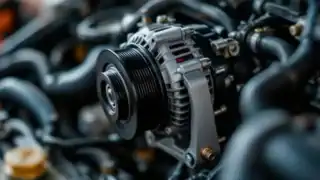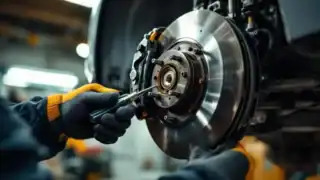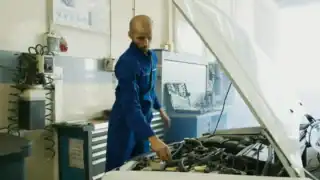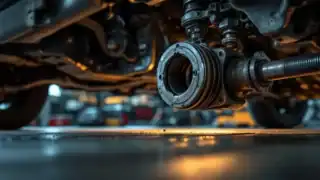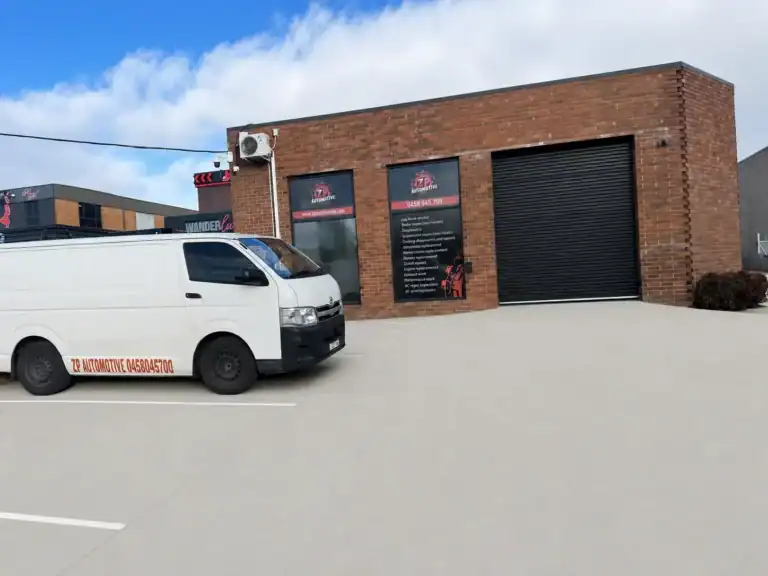
A BMW tailshaft repair is one of those services that often comes as a surprise to owners — the tailshaft (or driveshaft) doesn’t feature in everyday conversation, but when it starts to fail, it affects how power reaches your wheels and how smoothly your car handles on the road. At ZP Automotive in Mitchell, we see BMW tailshaft issues regularly enough to know the warning signs and what it takes to get your car back to reliable, quiet operation. Whether you’re hearing a clunking noise from underneath, feeling vibration through the cabin, or noticing your car struggles to grip or accelerate cleanly, a tailshaft inspection often reveals the real problem.
Common Signs Your BMW Tailshaft Needs Inspection
Unlike some car problems that announce themselves loudly, tailshaft wear can creep up on you. The first thing you’ll often notice is a rhythmic clunking or knocking sound from beneath the car, especially when accelerating or changing gear. This is typically a worn universal joint (or U-joint) in the shaft itself. You might also feel a vibration that increases with speed, or notice a slight delay when you put your foot down — the power isn’t transferring as cleanly as it should.
On BMW vehicles, condition-based servicing alerts may flag wear in the drivetrain, and that’s worth taking seriously. If you notice any of these symptoms, bring your car in for a diagnostic check:
- Clunking or banging sounds from underneath when accelerating or decelerating
- Vibration or shuddering felt through the chassis or steering wheel
- A grinding or creaking noise when turning at low speed
- Visible play or movement in the tailshaft when the car is stationary and in gear
- Loss of power delivery or hesitation during acceleration
None of these should be ignored. A failing tailshaft doesn’t just affect comfort — it can lead to further damage in the transmission, differential, or wheel bearings if left unchecked.
How We Diagnose and Repair BMW Tailshaft Issues
Our approach starts with a thorough inspection. We lift the car, visually check the entire length of the shaft for cracks, corrosion, or visible damage, and then rotate the wheels by hand while feeling for roughness or resistance. We test the U-joints for play (movement that shouldn’t be there) and check the centre bearing if your BMW has one. For BMW models with electronic differentials or all-wheel drive systems, we also verify that the tailshaft is aligned correctly and that no suspension or mounting issues are causing secondary problems.
Once we’ve identified the issue, the repair path depends on what we find. Some tailshafts can be rebuilt — we replace worn U-joints and seals, balance the shaft if needed, and return it to service. Others need replacement. For BMW vehicles, we use parts that meet OEM specifications, ensuring that power delivery, balance, and durability match what the car was designed for. We don’t use the cheapest no-name stock; we specify quality parts that will last and feel right in your BMW.
The repair itself requires care. We remove the tailshaft cleanly, mark flanges so they go back in the same orientation, and test everything before the car leaves the workshop. A badly balanced or misaligned tailshaft will vibrate and wear out faster, so we don’t cut corners here.
What Affects Cost and Repair Time for Your BMW
The cost of a BMW tailshaft repair depends on several factors. The first is whether the shaft can be repaired or needs to be replaced entirely. A U-joint replacement is a smaller job than a full shaft replacement, and the cost reflects that. The second is parts availability — genuine OEM BMW shafts sometimes take time to arrive, while quality aftermarket alternatives are usually in stock. We’ll always tell you upfront what options are available and what the timeline looks like.
The third factor is whether the tailshaft damage has affected anything else. If a U-joint has failed, sometimes metal debris circulates through the transmission fluid or differential oil, and we need to flush or replace those to prevent secondary damage. We check for this during diagnosis and explain what’s needed before we start work.
Repair time is typically one to two days, depending on whether parts are in stock and whether the shaft needs to be sent out for balancing. We’ll give you a realistic timeframe once we’ve completed the inspection.
Why Choose ZP Automotive for Your BMW Tailshaft Repair in Mitchell
We’re an independent, owner-operated workshop competing against dealership service departments and chain mechanics. When you bring your BMW in, you deal directly with the mechanic doing the work — no service advisor, no upsell scripts, no dealership labour rates. Brendan has over 10 years in the trade, and he knows BMW drivetrains inside out.
We price fairly and transparently. We explain what’s wrong, what it’ll cost, and what can wait. If a rebuild is possible and makes sense for your car, we’ll suggest that before a full replacement. We use quality parts and fluids — Penrite and Rico, not the cheapest no-name stock — because they perform better and last longer.
If you’re worried about warranty, logbook servicing with us keeps your BMW’s manufacturer warranty intact. That peace of mind matters, especially on newer models. Our Mitchell workshop is set up to handle BMW tailshaft diagnostics and repairs without the delay or expense you’d face at a dealership.
Next Steps
If you’re hearing noises from underneath your BMW or feeling vibration, don’t wait for it to get worse. Claim Your Free Inspection and let us get under the car to find out exactly what’s happening with your tailshaft. We’ll give you an honest assessment of what needs to be done. Call & Book Now and we’ll get your BMW back to reliable, smooth running.