A tailshaft connects your transmission to the rear axle, transferring engine power to drive the wheels. European vehicles rely on precision-engineered tailshafts that can handle sustained performance and tight tolerances. When a tailshaft develops wear, damage, or misalignment, you’ll feel it immediately through vibration, noise, or loss of drive. European vehicles tailshaft repair in Mitchell requires accurate diagnosis and quality parts to restore smooth, safe power delivery.
Signs Your European Vehicle’s Tailshaft Needs Repair
Tailshaft problems usually announce themselves clearly. The most common warning is a rhythmic vibration felt through the floor or steering wheel, especially noticeable at highway speeds. This vibration often increases with acceleration and may ease off at lower speeds. You might also hear a clunking sound from underneath the car when you shift into gear, particularly when moving from neutral to drive or reverse.
Another telltale sign is a sudden loss of power delivery to the rear wheels, even though the engine runs normally. Some drivers describe this as the car feeling like it’s slipping or not gripping the road properly. In more advanced wear, you may notice visible damage to the tailshaft itself, such as torn rubber boots, dents, or scoring marks. Don’t ignore these symptoms. A failing tailshaft can compromise handling and safety, and continued driving can cause secondary damage to the transmission or differential.
- Rhythmic vibration at highway speeds
- Clunking or banging from underneath when shifting gears
- Loss of power delivery or sensation of slipping
- Visible damage, cracks, or torn boots on the shaft
- Unusual noise that changes with vehicle speed
How We Diagnose and Repair European Vehicles Tailshaft Problems
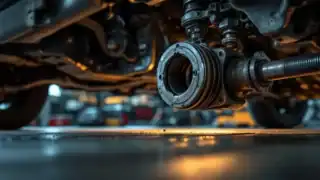
European vehicles often feature variable tailshaft configurations depending on the model and drivetrain. Some use solid shafts with universal joints, while others use two-piece designs with centre bearings and flexible couplings. We start every tailshaft repair with a full visual inspection underneath the car, checking for wear in the universal joints, cracks in the shaft material, damage to the rubber coupling bushes, and misalignment indicators.
We then drive the vehicle to confirm the symptoms and isolate the fault. A vibration that appears at specific speeds often points to a dent or imbalance in the shaft itself, while clunking during gear changes usually indicates worn universal joint bearings or coupling failure. For European models, we also check the centre bearing condition (if fitted) and verify the shaft’s dynamic balance. Some European vehicles require alignment checks on the rear axle to rule out secondary issues caused by the failed tailshaft.
Once we’ve identified the exact problem, repair options depend on severity. Minor wear in the universal joints can sometimes be addressed through targeted lubrication and inspection, but most often a tailshaft requires replacement with a quality remanufactured or new unit. We use parts that meet European manufacturer specifications, ensuring proper fit and performance for your vehicle. We always inspect the transmission output flange and rear axle input splines for damage before fitting a new shaft, so we don’t mask underlying problems.
What Affects Cost and Repair Time for Tailshaft Work
Tailshaft repair costs and timeframes depend on several factors specific to your European vehicle. The most significant is whether the shaft can be repaired onsite or requires removal and remanufacturing offsite. Single-piece shafts are usually straightforward to remove and replace, typically taking half a day. Two-piece designs with centre bearings take longer because the driveline must be carefully realigned after installation.
Parts availability varies by model. Common European vehicles usually have tailshafts in stock or available quickly, while older or less common models may require a few days’ lead time. We source quality, specification-matched parts rather than the cheapest no-name alternatives, because a poorly matched tailshaft can cause vibration, noise, and premature wear in connected components.
Labour time also depends on vehicle access and configuration. Some European vehicles require substantial underbody removal to reach the tailshaft safely; others provide better access. We’ll give you a clear estimate of parts cost and labour hours once we’ve completed the inspection, so you know exactly what to expect before we start work.
Why Mitchell Vehicle Owners Choose ZP Automotive for European Vehicles Tailshaft Repair
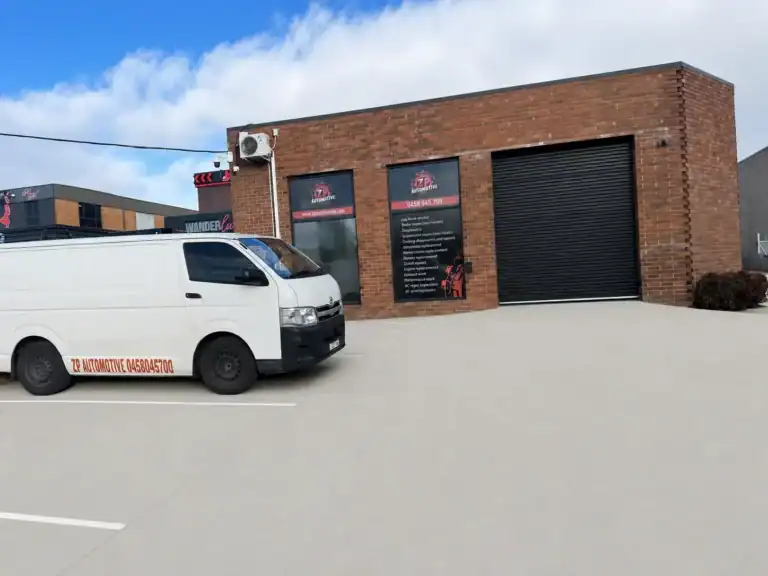
We’re owner-operated and family-run, with over 10 years in the trade. Unlike dealership service departments, you deal directly with the mechanic who diagnoses and repairs your car at our Mitchell workshop — no service advisor, no upsell scripts, just honest advice about what your European vehicle actually needs. We explain the problem clearly, discuss your repair options, and let you make an informed decision.
We specialise in European vehicle diagnostics and repair, so we understand the specific engineering of your make’s tailshaft and drivetrain. We use quality parts and fluids from trusted suppliers like Penrite and Rico, not cheap no-name stock. Our pricing is transparent and fair, without dealership labour rates. If you’re running logbook servicing, we’ll make sure all work keeps your manufacturer warranty intact.
Get Your Tailshaft Inspected in Mitchell Today
If your European vehicle is vibrating, clunking, or losing power, don’t delay. Tailshaft problems worsen quickly and can damage your transmission or axle if left unchecked. Call & Book Now or Claim Your Free Inspection to have the issue diagnosed properly. We’ll get your car back to smooth, reliable driving.