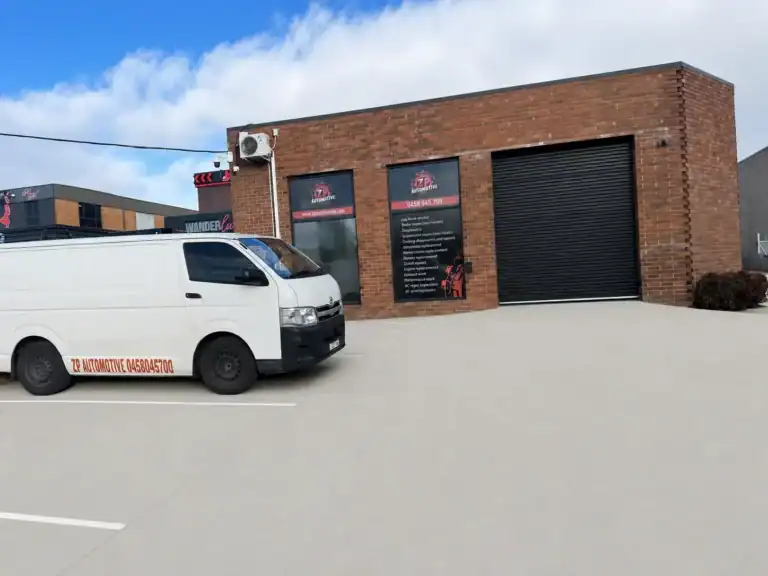
A Honda tailshaft repair is one of those services that often catches owners by surprise because the tailshaft itself rarely fails catastrophically. But when it does develop problems, you’ll feel it immediately as vibration, clunking, or loss of drive. The tailshaft connects your transmission to the rear differential and handles the rotational force from engine to wheels. In Mitchell, where many Honda owners rely on their vehicles for daily commutes and family trips, a worn or damaged tailshaft can make a car feel unsafe and unreliable. Understanding what a tailshaft does, what warning signs to watch for, and why professional inspection matters will help you avoid a breakdown and keep your Honda running smoothly.
Common Signs Your Honda Tailshaft Needs Repair
The tailshaft will usually tell you something’s wrong before it fails completely. If you notice vibration coming from underneath the car while accelerating or at motorway speeds, especially vibration that feels rhythmic rather than constant, a worn universal joint or bearing in the tailshaft is a likely culprit. You might also hear a clunking sound when you shift gear or accelerate hard from a stop. These noises typically come from worn joint components moving around inside their mounts.
Another warning sign is play or looseness in the driveline. If you shift the car into gear and feel a distinct clunk before the wheels actually start moving, or if you release the throttle and hear a bang as the tailshaft takes up slack again, worn universal joints are the usual cause. Some Honda owners also report a grinding sensation at the rear end, which usually points to a bearing that’s beginning to fail.
- Vibration at speed, often rhythmic or pulse-like
- Clunking when accelerating or shifting gears
- Loss of drive or delayed engagement
- Grinding or creaking noise from underneath
- Visible damage, rust, or corrosion on the tailshaft itself
- Fluid leaks around tailshaft seals
What Honda Tailshaft Repair Involves
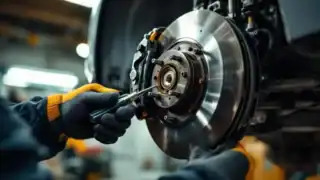
When you bring your Honda in for tailshaft diagnosis, our first step is a thorough inspection and test drive. We listen for where the noise or vibration is coming from and note when it occurs. Most tailshaft problems stem from worn universal joints, damaged bearings, or seal failure. We then lift the car and inspect the tailshaft visually for obvious damage, cracks, or corrosion, and we check that all mounting bolts and hangers are secure and in good condition.
The next step is to rotate the tailshaft by hand and feel for roughness, excessive play, or grinding. With a Honda, we pay particular attention to the condition of the centre bearing and the rubber mounts that support the tailshaft. Honda design is reliable, but these components do wear over time, especially if the car has covered high mileage or been used for towing.
Once we’ve identified the problem, repair options depend on what’s worn. If it’s just the universal joints, we can often replace those without removing the entire tailshaft. If the centre bearing or rubber mounts are damaged, we replace those. If the shaft itself is bent or severely corroded, we replace the complete tailshaft assembly. For Honda vehicles, we use OEM-equivalent or genuine Honda parts to ensure they meet the exact specifications your model requires. Penrite oils and fluids go into any relevant service points.
Cost, Time, and Parts Availability for Honda Tailshaft Repair in Mitchell
The cost and time for Honda tailshaft repair varies quite a bit depending on what’s actually worn and whether you need a full replacement or a component repair. Universal joint replacement alone is a quicker, more affordable job. A full tailshaft replacement will cost more and take longer because the entire assembly comes out and needs to be carefully aligned and balanced when it goes back in.
Parts availability is usually straightforward for Honda tailshafts. We stock quality components or can source genuine Honda parts quickly. The labour involved in removal, inspection, and installation is what typically makes up the bulk of the cost. Some jobs can be done the same day or within a day or two. More involved replacements might take a bit longer if we’re sourcing a specific part or if the tailshaft needs to be sent for balancing.
We price fairly and explain exactly what needs doing and why before we start. No dealership labour rates, no upsell on parts you don’t actually need. If a joint can be replaced instead of the whole shaft, we’ll tell you that upfront so you can make an informed choice about cost versus durability.
Why Choose ZP Automotive for Honda Tailshaft Repair
ZP Automotive is owner-operated and independent, which means you deal directly with the mechanic doing the work on your Honda. There’s no service advisor pushing extra work or quoting inflated labour rates. With over a decade of experience in the trade, we’ve seen plenty of Honda tailshaft issues and know exactly what to look for during diagnosis.
We use quality parts and fluids, not the cheapest no-name stock. When we repair or replace your Honda’s tailshaft, you’re getting components that will last and perform reliably. Your vehicle stays protected. If you’re running a logbook service schedule, our independent work won’t affect your manufacturer warranty. And because we handle everything from engine diagnostics to ACT rego inspections, we understand exactly how all your Honda’s systems fit together. Verified 5.0 reviews from real Honda owners in Mitchell tell you we get the job done right.
Book Your Honda Tailshaft Inspection Today
If you’re noticing vibration, clunking, or any of the other warning signs listed above, don’t ignore them. A damaged tailshaft can fail suddenly and leave you stranded. Call & Book Now or Claim Your Free Inspection at ZP Automotive in Mitchell and we’ll get to the root of the problem and give you a straight answer about what needs fixing.