A Honda cooling system repair is one of those services that separates cars that run reliably from cars that leave you stranded. Your radiator, thermostat, water pump, and hoses work together to keep engine temperature in a safe zone, and when any part fails, your engine overheats fast. Honda vehicles are generally well-engineered, but cooling systems are wear items, and we see regular Honda radiator issues at our Mitchell workshop. Understanding what to watch for, what a proper repair involves, and why it matters can save you from a $3,000+ engine rebuild down the track.
Warning Signs Your Honda Needs Cooling System Attention
Honda cooling system problems rarely announce themselves quietly. If you’re seeing any of these signs, your cooling system needs inspection soon:
- Temperature gauge climbing toward the hot zone, especially in traffic
- Sweet-smelling fluid pooling under the car or dripping onto the driveway
- Steam rising from under the bonnet, particularly after driving or parking
- White or milky sludge visible inside the radiator cap (sign of head gasket failure)
- Coolant reservoir level dropping between services
- Heater blowing cold air when it should be warm
- Visible leaks around the radiator, water pump, or hose connections
- Unusual grinding or whining noise from the water pump
Don’t ignore these signs. Overheating damages catalytic converters, warps cylinder heads, and can crack the engine block. A Honda cooling system repair caught early costs a fraction of engine damage repair.
How We Diagnose and Repair Honda Cooling System Failures
Honda cooling systems follow consistent design principles across the range, which means we know exactly where problems typically hide. We start with a full visual inspection: looking for leaks at the radiator seams, water pump bearings, and hose clamps. We check coolant colour and condition, because Honda recommends specific coolant types (often a blue or pink long-life blend), and mixing types or running dirty coolant accelerates wear.
Next, we pressure-test the system. A cooling system pressure tester shows us whether the radiator cap is holding pressure correctly, whether hoses are cracking under load, and whether there’s an internal leak from a failing head gasket. We also run the engine and monitor temperature readings to confirm the thermostat is opening and closing on schedule. Many Honda models use electronically controlled thermostats, and we can check those values against Honda’s OEM specification.
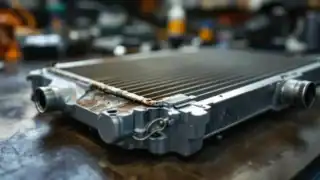
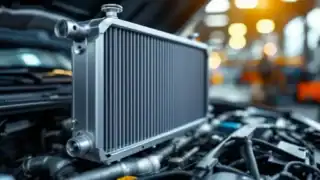
If the radiator itself is the issue, we inspect the core for blockages or fin damage. Blocked or damaged radiators can sometimes be flushed and cleared, but older Honda radiators often need replacement. We fit quality radiators that meet Honda specifications, not cheap import units that fail within two years.
Water pump failure is common as vehicles age. A failing pump loses its impeller seal and either leaks internally (losing coolant silently) or seizes and stops circulating altogether. Thermostats wear out too. We always replace failed components with quality parts that match Honda’s original design, ensuring proper flow rates and fit.
For hose issues, we replace the specific hose or the entire upper and lower radiator hose set, depending on age and condition. Using the right hose diameter and material matters—Honda hoses are designed for specific pressure and temperature ranges, and undersised alternatives fail faster.
What Affects Time and Cost for Honda Radiator Repair in Mitchell
Honda cooling system repair costs depend on what’s actually failed. A simple thermostat replacement is faster and less expensive than a full radiator replacement. A water pump on some Honda models sits behind the engine and requires more labour to access than on others.
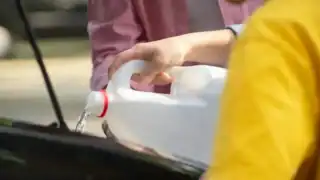
Coolant type affects cost slightly—Honda’s long-life coolant costs more than generic stock, but we use the right specification because it protects your engine longer. We also factor in whether we’re flushing the system (recommended every 3 to 4 years for most Hondas) or just topping up.
Turnaround time depends on parts availability. Quality OEM-equivalent radiators or pumps usually arrive within a working day, but older Honda models sometimes need ordering. We’ll always tell you upfront if a part is in stock or if there’s a wait, so you’re not guessing how long you’ll be without your car.
Why Honda Owners Trust Us With Cooling System Work
We’ve been doing Honda cooling system repair and diagnostics for over 10 years. We see the same wear patterns across the range and know which components are likely to fail next, so we can flag them early before they strand you. We use quality coolants and radiators—Penrite or equivalent, not the cheapest stock on the shelf—because Honda engines deserve fluids that actually protect them.
You deal directly with the mechanic doing the work. No service advisor, no upsell script trying to sell you services you don’t need. We explain exactly what’s wrong, what it’ll cost to fix it, and what can wait. Our pricing is transparent and fair—nothing like dealership labour rates, but quality work backed by 10+ years in the trade.
We also hold your manufacturer warranty in mind. If your Honda is still under warranty, logbook servicing and repairs done to genuine specifications keep that warranty intact. We follow Honda’s service schedule and use parts that won’t void your coverage. We also offer air conditioning servicing, engine diagnostics, and other services to keep your vehicle running reliably throughout Mitchell.
Next Step: Book Your Honda Cooling System Inspection
If your temperature gauge is climbing, you’re seeing leaks, or you just want to know your cooling system’s condition, call us or claim your free inspection. We’ll run a full diagnostic and give you honest advice about what needs fixing now and what can wait. Contact ZP Automotive in Mitchell today.