Owner-Operated Workshop
Quality Parts & Oils
5.0★ Rating
Transparent Pricing

5.0 (Verified Reviews)

Tried & Trusted Hyundai Cooling System Repair In Mitchell

Your Hyundai's cooling system keeps the engine running at the right temperature. We diagnose leaks, thermostat faults, and pump failures, then repair with quality parts. Book your inspection today.

Honest Advice

Quality Parts

5.0★ Rating

Hyundai Cooling Experts

Claim Your Free Check

Fill in the form and we'll get back to you promptly — no obligation.

Booking Form
  • Vehicle Details
  • Confirm Vehicle
  • Services
  • Contact Details
No Upsell Scripts
Quality Parts Used
Plain-English Advice

Why Book With Us

Claim Your Free Inspection
Drop Off Your Car
We Get to Work
Back on the Road

Your Hyundai’s cooling system keeps the engine running at the right temperature. When it fails, you’re looking at serious damage in a hurry. We see Hyundai cooling system repair issues regularly here in Mitchell, and the difference between a small fix and a major engine rebuild often comes down to catching the problem early. This guide walks you through what to watch for, what happens when we inspect your vehicle, and why getting it right matters.

Warning Signs Your Hyundai Cooling System Needs Attention

The cooling system speaks to you before it breaks. Temperature gauge creeping toward the red zone is the most obvious signal, but there are quieter ones too. Steam rising from under the bonnet, even a faint smell of coolant, puddles of bright green or pink fluid under your parked Hyundai, or a heater that suddenly stops producing warm air all point to cooling system trouble.

Some owners notice their fans running constantly, or a loss of power combined with a hot engine. Others catch the problem only when the radiator hose bursts mid-drive. The earlier you spot these signs, the easier and cheaper the fix.

  • Temperature gauge climbing higher than normal
  • Coolant puddles under the vehicle
  • Steam or smoke from the engine bay
  • Sweet-smelling coolant odour inside or outside the cabin
  • Heater blowing cold air when it should be hot
  • Engine running rough or losing power under load
  • White or milky residue in the oil (sign of coolant leak into the engine)

How We Diagnose Hyundai Cooling System Problems

Hyundai cooling systems follow OEM specifications that differ slightly between model generations. We start by checking coolant level and condition, then pressure-test the system to find where it’s leaking. A faulty pressure cap, a cracked hose, or a failed thermostat can all trigger the same symptoms, so we don’t guess.

For Hyundai vehicles, we use diagnostic equipment that reads the coolant temperature sensor data and checks whether the engine management system is controlling the fans correctly. Many Hyundai owners are surprised to learn that a thermostat stuck open won’t produce steam or leaks, but the engine won’t reach proper operating temperature either, which causes poor fuel economy and rough idling.

We also inspect the radiator fins for blockages (common in dusty areas around Mitchell), check the water pump for weeping seals, and examine hose condition. If you’ve had your Hyundai for several years, we’ll recommend whether you need a full system flush as part of the repair.

What’s Involved in a Hyundai Radiator Repair or Replacement

Once we’ve identified the fault, the repair depends on what’s broken. A leaking hose or radiator cap is straightforward. A failed water pump or thermostat requires more work because these components are often buried deeper in the engine bay, but the process is the same: drain the coolant safely, remove the faulty part, fit a quality replacement, refill with the correct Hyundai-spec coolant, and pressure-test the system to confirm no leaks remain.

For radiator replacement, we use either OEM Hyundai parts or quality aftermarket equivalents that match the original specifications. We never fit cheap no-name radiators that fail six months later. Penrite coolant products we use are designed to work with Hyundai’s aluminium engine blocks and protect against corrosion.

If your Hyundai’s cooling fan isn’t working, we diagnose whether it’s a faulty fan motor, a failed thermostat switch, or a wiring issue. The diagnostic step is crucial here because replacing a fan when the real problem is a thermostat wastes your money.

Cost and Time Factors for Hyundai Cooling System Work

A simple hose replacement or thermostat swap takes a few hours. A radiator replacement or water pump job can take half a day depending on how buried the component is in your Hyundai’s engine bay. Aftermarket parts cost less than OEM Hyundai parts, but both are available quickly.

The main cost variable is which part has failed. A leaking cap or hose is cheap. A radiator or water pump replacement is more expensive. We’ll show you exactly what we’ve found and give you a clear picture of the cost before we start work. If your vehicle is still under manufacturer warranty, quality independent servicing won’t affect it, provided the work follows Hyundai specifications. We always use OEM-spec parts and procedures to protect your warranty.

Why Hyundai Owners in Mitchell Choose ZP Automotive

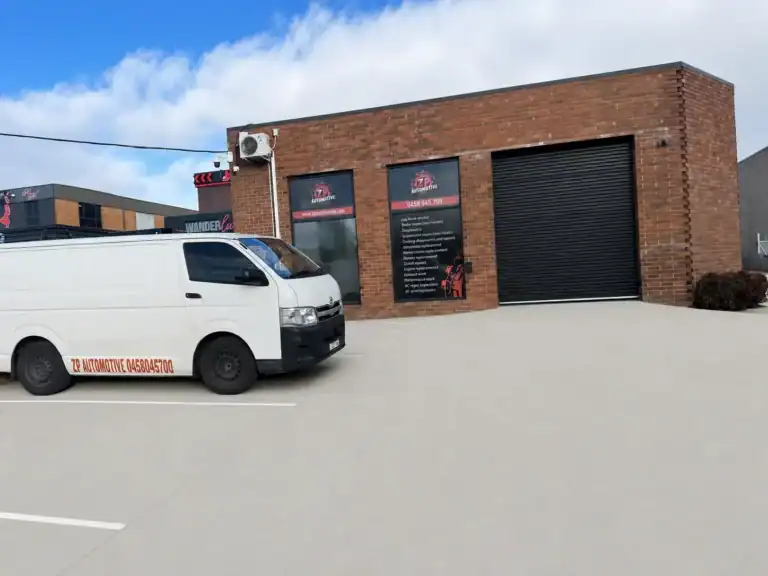
We’re an owner-operated workshop with over a decade of hands-on experience. You deal directly with the mechanic doing the work, not a service advisor with a script. We explain what’s wrong, what it costs, and what can wait. No upsell, no dealership labour rates.

We specialise in Hyundai logbook servicing and repairs, which means we know these vehicles well. We use quality parts and fluids like Penrite and Rico, not the cheapest stock we can find. Fair, transparent pricing is built into how we work. If you’ve got a Hyundai, we understand the brand and can spot issues before they become expensive problems.

Our Mitchell workshop also handles wrong-fuel recovery, vehicle lockout assistance, air conditioning servicing, engine diagnostics, and ACT rego inspections. Whatever your Hyundai needs, we’ve seen it and fixed it without the dealership overhead.

Next Steps

If your Hyundai is showing cooling system symptoms, don’t ignore them. Call & Book Now or claim your free inspection to have the system checked properly. We’ll diagnose the fault, explain what you’re looking at, and get your car back to normal without the dealership overhead.

Other Services

Whatever your needs we have you covered, see some similar services below or click "See All Services" to explore our full service offering.

Honest Mechanics, Fair Prices in Mitchell

Owner-operated and family-run, we give you straight answers, quality parts, and fair pricing without the dealership markup or the upsell scripts.

You Deal With the Mechanic

Talk directly to the owner — no service advisors, no middlemen, no upsell pressure.

Quality Parts, Honest Pricing

Bring your vehicle in and we’ll assess what’s needed before any work begins.

Hyundai Cooling System Warranty

All cooling repairs backed by warranty, so you’re protected against defects.

How Hyundai Cooling System Repair Works

Claim your free inspection to diagnose cooling faults, then we repair and test before collection.

Step 1

Claim Your Free Inspection

Claim your free inspection to diagnose your Hyundai cooling system and identify what needs repair.

Step 2

Cooling System Diagnosis

We inspect hoses, thermostat, and radiator, then pressure-test to identify leaks and faults.

Step 3

Repair With OEM Parts

We replace failed components using Hyundai-spec parts and fluids, following manufacturer procedures.

Step 4

Test And Handover

We run a final test to confirm cooling system function before you collect your Hyundai.

What Our Customers Say

5.0 (Verified Reviews)

Quality Parts From Trusted Suppliers

We use quality oils and parts from reputable suppliers — including Penrite and Rico — because what goes into your car matters as much as the work itself.

Claim Your Free Check

Fill in the form and we'll get back to you promptly — no obligation.

Booking Form
  • Vehicle Details
  • Confirm Vehicle
  • Services
  • Contact Details
No Upsell Scripts
Quality Parts Used
Plain-English Advice

Why Book With Us

Claim Your Free Inspection
Drop Off Your Car
We Get to Work
Back on the Road

Got Questions? We Have Answers

Browse the common questions below. If yours isn't listed, give us a call and we'll give you a straight answer.

We diagnose the issue first – whether it’s a failed thermostat, water pump, radiator leak, or hose failure. The repair includes replacing the faulty component, flushing the system if needed, refilling with the correct coolant for your Hyundai, and testing to confirm the temperature stays stable. We’ll explain what’s gone wrong and what needs fixing before we start work.

Watch for an overheating warning light on your dash, steam coming from under the bonnet, sweet-smelling coolant pooling under the car, or temperature gauge climbing into the red zone while driving. Any of these means stop driving and get it checked. Ignoring cooling problems can damage your engine quickly and leave you stranded, so don’t delay.

Most repairs take between one and three hours, depending on what’s failed. A thermostat swap is usually quickest. A radiator replacement or full flush takes longer. We’ll give you an honest timeframe once we’ve diagnosed the problem, so you know whether to wait or arrange a lift.

No. Under Australian Consumer Law and ACCC guidance, you can have your vehicle serviced by a qualified independent mechanic without losing your manufacturer warranty. What matters is that the work is done properly and the correct parts and fluids are used. This is general information only – check your specific warranty documents if you’re unsure, but independent servicing of your Hyundai won’t automatically void coverage.

Thermostats wear out and stick closed, water pumps fail as bearings wear, radiators develop leaks from corrosion or impact, hoses perish and split, and coolant breaks down over time. Hyundais can also develop issues with heater control valves. Regular coolant flushes and keeping an eye on leak history helps catch problems early before they leave you overheating on the side of the road.

We use quality parts matched to your Hyundai’s specifications – often OEM-equivalent components that meet Hyundai standards without dealership prices. For critical items like water pumps and thermostats, we choose reliable brands that fit and perform as the original did. We discuss options with you and explain the difference in cost and durability before we order anything.

Small leaks from seams can sometimes be sealed, but if the core is damaged or corrosion has worn through, replacement is the only real fix. A patch holds briefly and often fails again. We inspect carefully and tell you whether repair is worth trying or if a new radiator is the safer choice for your Hyundai.

Hyundai recommends a coolant flush every 100,000 kilometres or five years, whichever comes first. If your coolant looks brown or rusty instead of bright pink or orange, it’s overdue. Flushing removes corrosion buildup and keeps your radiator, water pump, and thermostat working longer. Check your logbook for the service interval for your specific model.

Continue to site