A functioning cooling system keeps your Land Rover running at the right temperature, protecting the engine from overheating and maintaining fuel efficiency. Land Rover cooling system repair in Mitchell addresses problems ranging from slow leaks and corroded radiators to failed thermostats and water pump failures. These components work together to circulate coolant through the engine and dissipate heat through the radiator. When any part of this system fails, your vehicle is at risk of engine damage, stranding, and expensive repairs down the track.
Common Signs Your Land Rover’s Cooling System Needs Attention
The warning signs of a cooling system problem are usually obvious if you know what to look for. Pay attention to your dashboard temperature gauge and warning lights; if the needle is climbing into the hot zone or a coolant warning light appears, pull over and let the engine cool before driving further. Visible coolant leaks under the vehicle, white steam from under the bonnet, or a sweet smell coming from the engine bay all point to cooling system issues.
- Engine temperature running higher than normal, especially when stopped in traffic
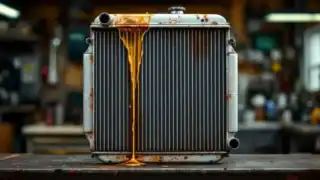
- Coolant pooling under the vehicle or dripping from hoses and fittings
- Bubbling or boiling sounds from the radiator or coolant reservoir
- Loss of coolant level between services with no obvious external leak
- Sweet-smelling coolant odour, sometimes mixed with burning smells
- Reduced interior cabin heating or cold spots in winter
Land Rover models, particularly Discovery and Range Rover variants, can develop coolant seepage through hose connections and radiator joints due to age and pressure cycling. Catching these early prevents a minor leak from becoming a blown gasket or cracked head.
What Happens During Land Rover Cooling System Repair and Diagnosis
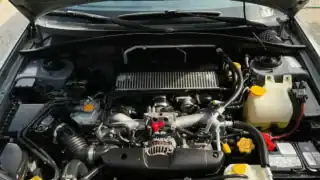
We start by connecting diagnostic equipment to read your Land Rover’s engine management system. This tells us exactly what the vehicle has logged about coolant temperature, pressure, and any faults. From there, a visual inspection of the radiator, hoses, water pump, thermostat housing, and expansion tank gives us a clear picture of wear and damage.
Pressure testing the cooling system is a key step. We connect a pressure tester to the expansion tank and gradually apply pressure to see where leaks occur. This identifies small seepage points that might not be visible under normal conditions. We also check coolant condition with a test strip; old or contaminated coolant loses its ability to protect against corrosion and boiling, so a fluid analysis often reveals whether a flush is needed alongside repairs.
For Land Rovers, we pay particular attention to the thermostat housing and radiator top tank connections, which are common failure points. The water pump impeller can also wear or corrode internally, reducing flow without showing an external leak. If the system has been overheating, we inspect the cylinder head and block for signs of warping or gasket failure, which require specialist attention beyond a straightforward cooling repair.
Once we know what needs fixing, we discuss your options openly. Some repairs are urgent (a failed thermostat or ruptured hose), while others like minor seepage can sometimes be monitored short-term if budget is tight. We explain the risk of delaying any repair and what could happen if the cooling system fails while you’re driving.
Cost and Timing for Land Rover Cooling System Work
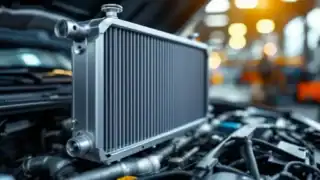
The cost and time needed depend heavily on which component has failed. A thermostat replacement is usually a straightforward job, while a radiator removal on some Range Rover models takes longer because of the way the engine bay is packaged. Parts availability matters too; if we need to source a genuine OEM radiator or water pump, lead time may extend the job by a day or two.
We always use quality parts and coolants. For Land Rovers, we fit radiators and hoses that meet OEM specifications, and we fill the system with coolant compatible with your vehicle’s original spec. We don’t use cheap no-name stock; the few pounds saved upfront cost far more if a poor-quality part fails and takes the engine with it.
Labour time varies. Some thermostats take an hour; a full radiator replacement can take half a day depending on model access. We give you a realistic timeframe once we’ve diagnosed the fault, and we’ll call you if the job uncovers something unexpected, like internal corrosion requiring a flush or a water pump that needs replacing alongside the radiator.
Why Choose ZP Automotive for Your Land Rover Cooling System Repair in Mitchell
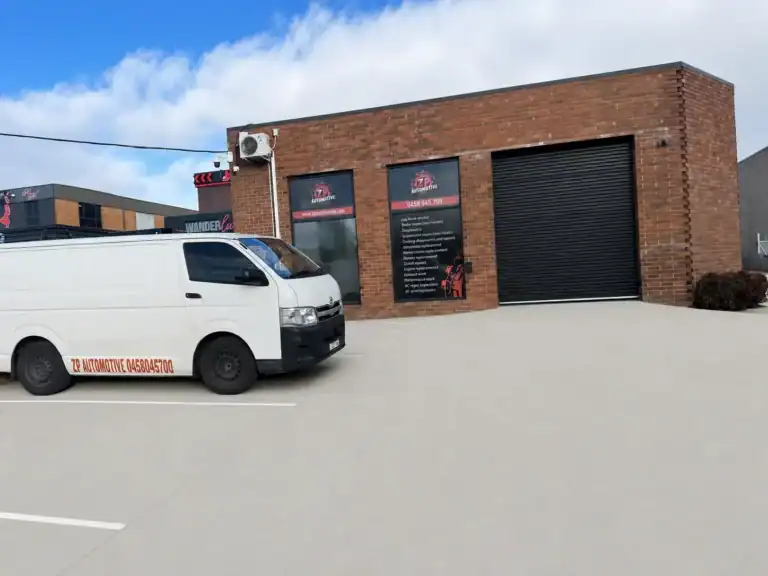
We’re an independent, owner-operated workshop with over 10 years’ experience on the bench. You deal directly with the mechanic doing the work, not a service advisor reading from a script. That means honest, plain-English advice: we explain what’s wrong, what it’ll cost, and what can wait. No upsell, no dealership labour rates, no pressure to replace things that don’t need replacing.
We specialise in engine diagnostics and logbook servicing, which means we understand how to keep your Land Rover running reliably and maintain your manufacturer warranty through independent servicing. Cooling system repairs are part of our bread and butter, and we approach each one the same way: transparent pricing, quality parts like Penrite coolants, and work that lasts.
If your Land Rover is overheating, leaking coolant, or showing temperature warning lights, Call & Book Now or Claim Your Free Inspection. We’ll run a full diagnostic, walk you through what we find, and get your cooling system back to reliable condition. No guesswork, no surprises.