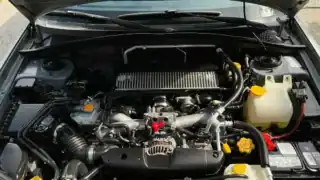
Your Toyota’s cooling system works quietly in the background, keeping the engine at the right temperature in all conditions. When it starts to fail, the consequences can escalate quickly from an inconvenience to a stranded car and an expensive engine rebuild. Toyota cooling system repair in Mitchell addresses leaks, overheating, thermostat faults, and circulation problems before they leave you roadside or cause catastrophic engine damage. We diagnose the root cause, explain what’s actually wrong, and fix it without the dealership markup.
Signs Your Toyota Cooling System Needs Attention
The cooling system tells you when something’s wrong if you know what to listen and look for. These warning signs should prompt a professional inspection soon, not a “wait and see” approach.
- Coolant level dropping between services or pooling under the car
- Temperature gauge creeping into the red zone, especially in traffic or on warm days
- Overheating warning light on the dashboard
- Sweet smell coming from under the bonnet (coolant leak)
- Rumbling or grinding noise from the radiator fan
- Milky or discoloured coolant when you check the overflow tank
- Heater blowing cold air when the engine is warm
- Steam or mist visible from under the bonnet
Any of these symptoms mean the cooling system isn’t working as it should. Ignore them and you risk overheating, which can crack the head, damage the block, or blow a gasket. A thermostat replacement caught early costs a fraction of engine repair later.
How We Diagnose and Repair Toyota Cooling Systems
Toyota cooling system repair starts with a proper diagnostic. We don’t guess or replace parts based on hope. We inspect, test, and confirm what’s actually faulty.
Visual and Pressure Inspection
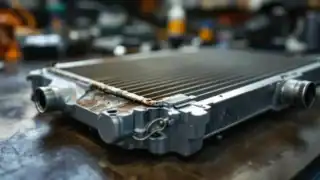
We check for obvious leaks around hose connections, the water pump, radiator, and heater core. We inspect hose condition for cracks, splits, or soft spots that weaken under pressure. We look at the radiator fins for blockages from road dirt or corrosion. Then we run a pressure test on the system to find small leaks you can’t see and to check how well the cooling system holds pressure when hot.
Thermostat and Flow Testing
Toyota thermostats can stick open or closed, causing overheating or poor heating. We test the thermostat’s response when the engine reaches operating temperature. We also check coolant flow through the radiator and engine passages to spot circulation problems that reduce cooling efficiency.
Fan and Water Pump Assessment
The radiator fan and water pump are critical to circulation. We confirm the fan engages at the right temperature and spins smoothly. We listen for water pump noise and check its seal for leaks. A worn pump fails suddenly and leaves you overheating on the highway.
Coolant Condition Check
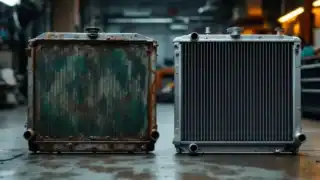
Old or contaminated coolant loses its protective properties and can corrode the inside of the system, blocking passages and causing overheating. We assess coolant colour, concentration, and age. Toyota vehicles often use Toyota red or pink long-life coolant that’s engineered for their cooling passages. Using the wrong type or mixing old and new reduces system life and can cause corrosion.
What Sets Toyota Cooling System Repair Apart
Toyota’s cooling systems are built to tight specifications and respond well to preventative maintenance. Staying on your Toyota logbook service schedule means we check the cooling system at each service, catching small issues before they become expensive failures. Toyota’s long-life coolants are engineered for the brand’s specific alloy combinations in radiators and engine blocks. When we service your Toyota in Mitchell, we respect those specifications rather than mixing generic coolant or parts that might cause internal corrosion over time.
We use quality replacement parts and coolant that meet Toyota specifications. We don’t install cheap aftermarket radiators or generic coolant that might save a few dollars but reduces system longevity. Penrite coolants used in our shop are engineered for Australian vehicles and climates. When we replace hoses, we use reinforced hose that handles heat and pressure, not the bargain equivalent that splits in two years.
For Toyota models, we respect the manufacturer’s service schedule and coolant intervals. Toyota logbook servicing includes cooling system checks at each service. By staying on schedule, you catch small problems before they become big ones. This approach protects your warranty and keeps your Toyota running reliably for years.
What Affects Cost and Timeline
A thermostat replacement might take a couple of hours. A radiator removal and replacement can take a full day, depending on your Toyota’s engine layout. Some models have the radiator tucked behind air conditioning condensers or other components that must come out first.
Parts availability also affects timeline. We source OEM-spec parts quickly for common Toyota models. Less common models or specific radiator types might take a few days. We’ll tell you upfront if parts need to be ordered and how long that means for turnaround.
Cost varies with the fault. A leak in a hose or connection is inexpensive to fix. A water pump, radiator, or thermostat replacement costs more but is still a fraction of the damage an overheated engine causes. We explain what each option costs and why before we start work, so you control the decision.
Why Toyota Owners Choose ZP Automotive in Mitchell
You deal directly with the mechanic doing the work, not a service advisor reading from a script. We explain what’s wrong in plain English, what it costs, and what can wait. We’ve seen thousands of cooling system failures over 10 years in the trade and know what leads to real problems versus what’s been managed already.
We’re independent, owner-operated, and family-run. We don’t have dealership labour rates or pressure to sell parts you don’t need. Logbook servicing through ZP Automotive keeps your Toyota warranty intact, so you’re not gambling with your new-car protection by choosing an independent shop. We hold to fair, transparent pricing and honest advice. That’s how we compete against the big chains and dealership service departments.
Our 5.0 verified reviews reflect the feedback from Toyota owners in Mitchell and the surrounding areas who value straightforward diagnostics and work that lasts. We also handle logbook servicing, air conditioning, engine diagnostics, and rego inspections, so your Toyota stays properly maintained year after year.
Next Steps
If your Toyota is running hot, leaking coolant, or showing overheating warnings, don’t drive it hard or leave it sitting. Call & Book Now or Claim Your Free Inspection so we can identify the fault and get it fixed before it costs more. We’re in Mitchell and service Canberra and the surrounding areas.