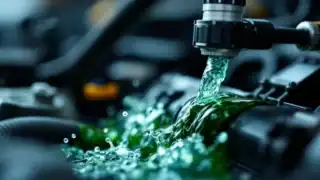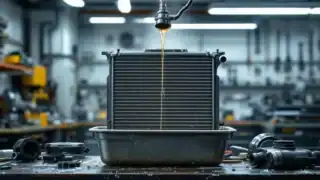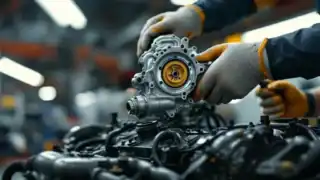
Your Lexus cooling system is one of the hardest-working parts of your engine. It keeps temperatures stable in the high-performance powerplants that Lexus is known for, and when it starts to fail, you’ll notice it quickly. Lexus cooling system repair isn’t something you want to guess at or delay. Whether you’re driving through Mitchell’s quieter streets or heading out on longer trips, a failing cooling system can leave you stranded. We’ve helped countless Lexus owners in Mitchell catch cooling problems early and avoid the cost of engine damage that happens when overheating goes unchecked.
Common Signs Your Lexus Cooling System Needs Attention
Catching cooling system trouble early saves money and keeps you safe on the road. Lexus models tend to show clear warning signs before serious failure occurs, so pay attention to these indicators:
- Temperature gauge creeping toward the red zone, especially during city driving or in traffic
- Sweet-smelling coolant leaks under the car or visible fluid pooling in your driveway
- Steam or mist coming from under the bonnet, particularly after the engine’s been working hard
- Coolant warning light illuminating on your dashboard
- Heater blowing cold air when it should be warm, or fluctuating between hot and cold
- White or milky coolant in the expansion tank instead of the normal bright green or pink colour
- Unusual noises from the engine bay, like grinding or rattling from the water pump
Some issues creep up slowly, like a gradual drop in coolant level over weeks, while others happen suddenly. Either way, getting a Lexus radiator specialist to inspect the system means you’ll know exactly what’s happening before it becomes expensive.
How We Diagnose and Repair Lexus Cooling System Issues
Lexus vehicles use precision-engineered cooling systems matched to their engine specifications. Our approach starts with understanding which Lexus model you own, because cooling demands differ between a compact sedan and a larger SUV. We begin with a visual inspection of hoses, clamps, radiator condition, and the expansion tank. We check coolant colour and concentration using a refractometer to determine if the fluid has broken down or lost its protective properties.
If the temperature gauge or warning light is active, we perform a cooling system pressure test. This reveals whether you have a slow leak, a burst hose, or a failing radiator. A working cooling system holds pressure; a failing one bleeds it away. We also inspect the water pump, thermostat, and heater control valve, as these are common failure points on Lexus models. The thermostat especially can stick in a partially open position, causing temperature regulation problems without an obvious leak.
If the issue is a leak, we identify the source precisely. Is it a pinhole in the radiator, a deteriorated hose, a weeping water pump seal, or a failed gasket? Each repair is different, and we explain the options. For Lexus vehicles, we align coolant type to your vehicle’s specifications. Using the wrong coolant can cause corrosion or compatibility issues, so we stick with OEM-spec fluids or quality equivalents that meet Lexus requirements.
Radiator replacement, if needed, is a job we handle regularly. We remove and flush the system properly, ensuring no debris contaminates the new radiator. The entire cooling system gets refilled with fresh coolant at the right concentration. Once the repair is complete, we test the system under load to confirm the temperature gauge holds steady and the warning light stays off.
What Affects Cost and Turnaround Time for Lexus Radiator Work
Cooling system repair cost depends mainly on what’s actually wrong. A simple hose replacement is straightforward and fast. A radiator or water pump replacement takes longer and costs more, partly because access varies between Lexus models and partly because parts availability plays a role. We carry common radiator items in stock, but if your Lexus model requires a specific OEM component, we’ll source it and let you know the timeline upfront.
We don’t guess or over-repair. If the thermostat is working fine but the radiator is the culprit, we replace only the radiator. Some workshops throw parts at cooling issues without diagnosing first. We diagnose first, then repair only what’s needed. Labour time also depends on engine bay access. A straightforward hose replacement might be a couple of hours; a water pump on certain Lexus models can take longer because the engine cover or accessories need to come off first.
Why Lexus Owners Choose ZP Automotive in Mitchell
We’re owner-operated and family-run, and we deal directly with you, not through a service advisor reading from an upsell script. When you bring your Lexus in for cooling system repair, you’re dealing with a mechanic who’s spent over 10 years on the bench and understands how these systems actually work. We’ve diagnosed and repaired plenty of Lexus cooling problems, and we know which failure patterns show up on which models.
We use quality parts and fluids, not the cheapest no-name stock. For coolant, we use Penrite products that meet OEM specifications. For hoses, gaskets, and radiators, we match the quality to your vehicle’s needs. Transparent pricing means you’ll know the cost before we start work. We explain what’s wrong, what it’ll cost, and what can wait. If your cooling issue is caught early, a simple repair might prevent thousands in engine damage down the road.
Your warranty protection matters too. If you’re running logbook servicing on a newer Lexus, we keep your manufacturer warranty intact. Cooling system repairs performed by a qualified independent mechanic like us don’t void that protection. We also offer air conditioning servicing and engine diagnostics if you need related work on your Lexus.
What to Do If Your Lexus Cooling System Is Failing
If your Lexus is showing any cooling system warning signs, don’t ignore them. The longer you drive with a failing cooling system, the closer you get to catastrophic engine damage. Ring us now to book an inspection at our Mitchell workshop using Call & Book Now, or claim your free inspection online using Claim Your Free Inspection. We’ll get to the bottom of what’s happening and tell you honestly what needs to happen next.