A functioning cooling system keeps your Chinese vehicle running at the right temperature. Without it, your engine overheats, fails, and leaves you stranded. Whether you drive a Great Wall, Chery, BYD, or JAC model in Mitchell, cooling system repairs demand attention the moment something goes wrong. Chinese vehicles cooling system repair isn’t something to delay, and it’s not something to guess about either. We diagnose and repair cooling issues with the same care we’d give our own cars, working with parts and procedures matched to your vehicle’s specific design.
Warning Signs Your Chinese Vehicle Needs Cooling System Repair
The cooling system is straightforward in design but critical in function. Problems announce themselves clearly if you know what to listen for and watch for.
- Temperature gauge creeping toward the red zone, especially in traffic or uphill
- Steam rising from under the bonnet or visible coolant leaks on the driveway
- Sweet-smelling coolant odour inside or around the cabin
- Coolant reservoir level dropping between services without visible leaks
- Engine running rough or knocking after it heats up
- A grinding or whining noise from the water pump area
- Heater blowing cold air even when the engine is warm
Any of these symptoms means the cooling system isn’t working as it should. Ignoring them risks severe engine damage. A thermostat that’s stuck, a radiator clogged with sediment, a failing water pump, or a burst hose can all be repaired if caught early. Leave it too long and you’re looking at a warped cylinder head or worse.
What We Check During Chinese Vehicles Cooling System Repair
Chinese vehicles often use radiators and cooling circuits designed for durability in varied climates, but they need the right diagnostic approach. We don’t assume; we inspect systematically.
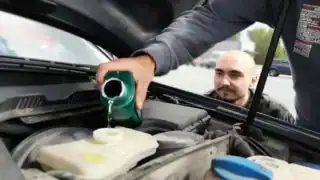
Visual inspection: We check hoses for cracks, splits, and soft spots. Clamps are inspected for corrosion and proper tightness. We look at the radiator fins for debris blockage and signs of impact damage. The coolant level is checked against the minimum and maximum marks on the reservoir.
Coolant condition assessment: Old coolant loses its ability to protect against rust and corrosion. We test the coolant’s pH and freezing point. If it’s degraded or contaminated, it needs replacement. Chinese vehicle specs often call for specific coolant types, so we match the right fluid to your model.
Pressure testing: We use a pressure test gauge to check whether the system holds pressure. A leak in the radiator core, water pump seal, or gasket will show up here. This test catches slow leaks that aren’t visible to the naked eye.
Thermostat and fan operation: The thermostat controls when coolant flows through the radiator. If it’s stuck open, the engine runs cold. If it’s stuck closed, the engine overheats. We test its response. The cooling fan needs to engage at the right temperature, so we verify the sensor and fan motor are working together.
Water pump inspection: We listen for grinding or whining. A weeping seal or corroded impeller means replacement is needed. The pump’s job is to push coolant through the system under pressure; once it starts to fail, performance drops fast.
Common Cooling Problems in Chinese Vehicles
Chinese vehicle manufacturers have improved reliability significantly, but certain cooling issues show up more often than others. Sediment buildup in radiators is common if the cooling system hasn’t been flushed regularly. Hard water minerals accumulate over time, especially in older systems running the same coolant for years. This restricts flow and causes hot spots in the engine. A radiator flush clears this out.
Hose deterioration is another frequent issue. The rubber hoses that carry coolant can become brittle and crack from age and heat cycling. We replace them with quality alternatives that match OEM specifications. Thermostat failures are equally common; they often fail gradually, causing temperature swings or a persistent overheat condition.
Water pump seals fail more often in high-mileage vehicles. When a seal goes, coolant weeps past it, leading to slow leaks that you might notice as puddles under the car or a steady drop in coolant level. Catching this early means a straightforward pump replacement. Catching it late means potential engine damage from running low on coolant.
What Affects Time and Cost for Cooling System Repair
How long the repair takes and what it costs depends on what’s actually wrong and whether parts are readily available. A simple thermostat swap on some Chinese models takes under two hours. A radiator replacement or water pump job might take longer, especially if the engine bay layout requires removing other components to access the cooling system.
Parts availability matters. Common components like thermostats, hoses, and fan belts are usually in stock or available quickly. More specialised parts like radiators for specific Chinese vehicle models sometimes require a few days to source. We’ll tell you upfront what we have on hand and what needs ordering so there are no surprises.
We use quality parts matched to your vehicle’s requirements. Penrite coolants and oils are our standard because they’re reliable and matched to Australian driving conditions. We don’t stock cheap no-name alternatives that fail early; that’s a false economy that creates repeat visits and cost.
Why Mitchell Drivers Trust ZP Automotive for Chinese Vehicle Cooling Repairs
We’ve spent over a decade working on all makes and models, including Chinese vehicles. The difference with us is straightforward: you work directly with the mechanic doing the job. No service advisor, no upsell scripts, no dealership labour rates inflating your bill. We explain what’s wrong, what it’ll cost, and what can wait. If your radiator is cracked but your thermostat is fine, we tell you that, not just replace everything.
Our transparent pricing and honest advice build real trust. Logbook servicing through ZP Automotive keeps your manufacturer warranty intact, even though we’re independent. We handle air conditioning, engine diagnostics, and rego inspections too, so if your cooling system issue is connected to something else, we diagnose across the whole picture. Our team has earned a 5.0 rating from verified customers who appreciate the straight-talking approach.
Next Steps: Book Your Cooling System Inspection at Mitchell
If you’ve noticed any cooling symptoms, get it checked before you end up with a serious overheat. Call & Book Now or Claim Your Free Inspection online. We’ll run a full diagnostic on your Chinese vehicle’s cooling system and tell you exactly what needs fixing and what the cost will be. ZP Automotive services Mitchell and surrounding areas, and we’re ready to help keep your car running cool.