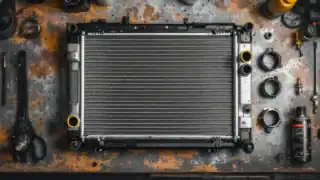
Your car’s radiator is the engine’s heat management system. It circulates coolant through the engine block to absorb heat, then releases that heat through the radiator fins so your engine stays at the right operating temperature. Without a functioning radiator, your engine will overheat within minutes and suffer serious internal damage. Chinese vehicle radiators have specific cooling capacity and design requirements, and Chinese Vehicles Radiator Service in Mitchell needs to account for those differences when diagnosing problems or planning maintenance.
Warning Signs Your Chinese Vehicle’s Radiator Needs Attention
Your radiator doesn’t usually fail without warning. Most cooling system issues show up as symptoms you can spot before a complete breakdown happens.
- Temperature gauge climbing toward the hot zone or sitting constantly high
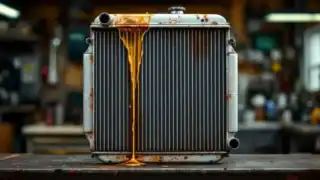
- Coolant leaks under the vehicle (often bright green, orange, or pink fluid on the driveway)
- Sweet smell coming from under the bonnet (coolant vapour)
- Steam or mist from the engine bay, especially after driving
- Soft or spongy radiator hose that bulges when warm
- Coolant loss without visible external leaks (internal corrosion or head gasket issues)
- Reduced heater performance in winter, or no hot air from the vents
If you notice any of these signs in your Chinese vehicle, bring it in for a cooling system inspection before the engine temperature climbs to dangerous levels. A small radiator leak or blockage caught early costs far less than an engine rebuild from overheating.
How We Service and Diagnose Chinese Vehicle Radiators
Chinese vehicle cooling systems often have different radiator core designs, thermostat placements, and plastic tank materials compared to Japanese or European brands. We inspect with those specifics in mind.
Our process starts with a visual inspection of the radiator exterior for corrosion, leaks, bent fins, or impact damage. We check all hose connections, the expansion tank, and the coolant level and condition. Discoloured or milky coolant signals internal corrosion or water in the system, both of which mean the radiator (or at minimum the coolant system) needs a thorough flush and refill.
We pressure test the cooling system to identify leaks that aren’t obvious at idle temperature. Small pinhole leaks often only weep under pressure or when the engine is hot. If the radiator itself is leaking, we discuss whether repair or replacement makes sense based on the leak location and your vehicle’s age and mileage.
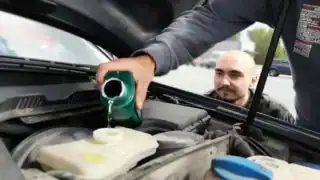
For Chinese brand vehicles, we verify the correct coolant type and specification. Many Chinese manufacturers use coolants with different inhibitor packages than common aftermarket coolants. Using the wrong coolant can accelerate internal corrosion in aluminium radiators. We use quality Penrite coolants matched to your vehicle’s requirements, not generic budget stock.
If blockages are suspected (poor flow, overheating without visible leaks), we consider a radiator flush and system clean. A blocked radiator core restricts coolant flow and causes temperature spikes even though the radiator itself is intact. A flush cycles clean fluid through the system to dislodge rust scale and sediment.
Cost and Time: What Affects Your Bill
Chinese Vehicle radiator service costs depend on several factors we’ll explain upfront.
If you need a radiator replacement, the cost reflects whether we fit an OEM equivalent radiator built to your vehicle’s exact specifications or a quality aftermarket radiator. OEM parts ensure perfect fit and performance; aftermarket parts are usually cheaper but occasionally require hose adjustment or adapter fittings. We source parts locally where possible to keep your car on the road faster, and we’re honest about lead times if a part needs to be ordered.
A flush and refill service is quicker and far cheaper than replacement, but it only works if your radiator itself is sound. Coolant jobs typically take a couple of hours. Radiator replacement can take three to four hours depending on engine bay access and hose routing.
We don’t charge dealership labour rates or hide costs in fine print. You’ll know what the job involves and roughly what it’ll cost before we start. If during inspection we find something unexpected, we call you to explain and agree on the next step. No surprises, no upsell scripts.
Why ZP Automotive Is Your Mitchell Workshop for Chinese Vehicle Radiator Service
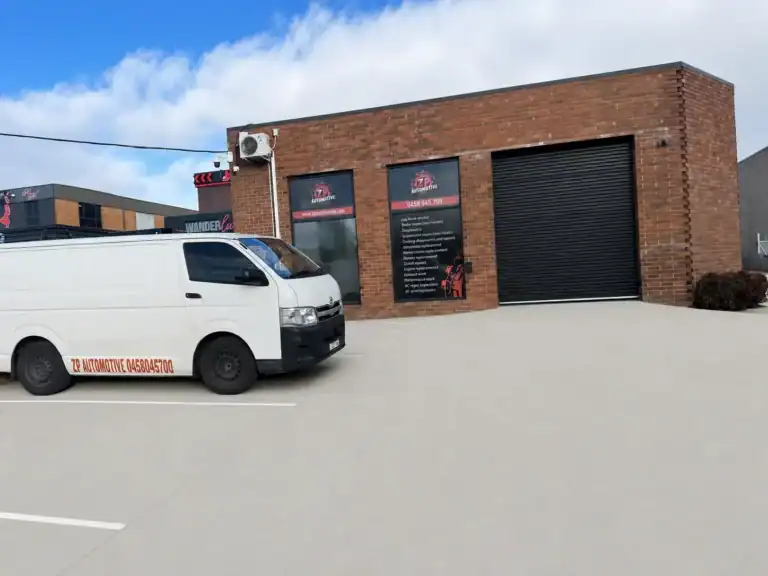
We’re an owner-operated workshop in Mitchell run by Brendan, a mechanic with over 10 years of hands-on experience. We work on Chinese vehicles regularly and understand their cooling system quirks, parts availability, and OEM specifications. We don’t pretend to be a dealership, and we don’t charge like one either.
We use quality parts and oils—Penrite coolants and Rico oils, genuine-equivalent components—not the cheapest no-name stock. Your Chinese vehicle gets the same care we’d give our own cars. You deal directly with the mechanic doing the work, not a service adviser with a sales script. If something can wait, we tell you. If it’s urgent, we explain why.
ZP Automotive specialises in logbook servicing (which keeps your manufacturer warranty intact), ACT rego inspections, engine diagnostics, air conditioning servicing, brakes, wrong-fuel recovery, and vehicle lockout assistance. We’ve built our reputation on fair, transparent pricing and honest advice in plain English. If your Chinese vehicle’s cooling system issue is wrapped up with a check engine light or performance symptom, we diagnose the whole picture instead of guessing. Our 5.0 verified reviews reflect the care we take with every job.
Next Steps for Your Chinese Vehicle in Mitchell
If your car is running hot, losing coolant, or showing heating and cooling warning signs, don’t ignore it. The longer an overheating engine runs, the greater the risk of cylinder head or block damage. A Chinese Vehicles radiator service with ZP Automotive starts with a free inspection to identify the root cause. Call & Book Now to arrange your visit, or Claim Your Free Inspection online and we’ll have you back on the road with a clear explanation of what’s needed and what it will cost.