Your Toyota’s cooling system keeps the engine running at the right temperature. The radiator is the core component that does this job, releasing heat from the coolant into the air. A Toyota radiator service checks the condition of the radiator, tests the coolant, and ensures the whole system is working properly. If your Toyota is showing signs of overheating, coolant leaks, or running hotter than usual, a radiator service in Mitchell is often the first step to diagnosing what’s wrong and preventing more serious engine damage down the road.
Signs Your Toyota Radiator Needs Attention
Most drivers don’t think about their radiator until something goes wrong. Here are the real warning signs that a Toyota radiator service is worth getting sooner rather than later:
- Temperature gauge climbing higher than normal, especially in traffic or on hills.
- Visible coolant leaks under the car, often bright green, orange, or pink fluid depending on the coolant type.
- Sweet smell coming from the engine bay or under the bonnet when parked.
- Coolant loss between services with no visible leak (internal radiator damage).
- Discoloured or cloudy coolant when you check the overflow tank.
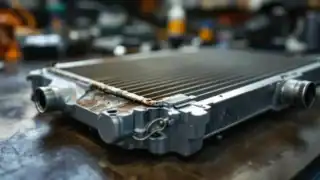
- Rust or white deposits visible on the radiator fins or hoses.
- Fan running constantly or not kicking in when it should.
Some of these signs creep up slowly over months. Others happen suddenly. Either way, getting the system checked before your Toyota overheats saves you from a much bigger repair bill and keeps your family safe on the road.
What We Check During a Toyota Radiator Service
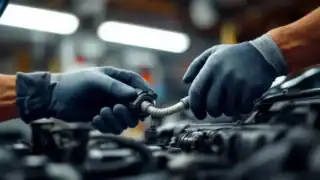
A proper radiator service is more than a quick glance. We follow Toyota’s service schedule and use diagnostic procedures that match what the factory recommends for your model.
We start by inspecting the radiator itself. That means checking the fins for damage, blockages, or corrosion. The fins are thin metal strips that do the actual cooling work, and debris, bugs, or scale buildup can reduce airflow. We look at the hose connections and clamps for signs of leaks or deterioration. Rubber hoses harden and crack over time, especially in the Australian heat, so spotting this early matters.
Next, we test the coolant. The condition of your coolant tells us a lot. Old or degraded coolant loses its ability to protect against corrosion and freezing point protection. We measure coolant concentration and pH levels. Toyota coolants vary by model year and type, so we make sure yours meets the factory specification. If the coolant looks discoloured, contaminated, or is past its service interval, a flush and refill with genuine Toyota coolant or equivalent OEM-spec fluid brings the system back to working order.
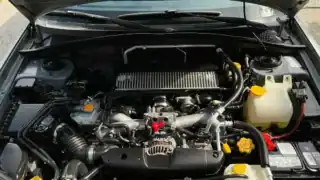
We check the thermostat, water pump, and cooling fan operation. A failing thermostat can cause overheating or prevent the engine from reaching proper operating temperature. The water pump circulates coolant through the engine, and a weak or noisy pump is a warning sign. The cooling fan should engage when needed and disengage when the engine cools. All three need to work in sync for the radiator to do its job.
We also inspect belts and hose clamps. A worn serpentine belt can slip and stop the water pump from turning properly. Loose clamps cause leaks. These are simple checks that take minutes but can catch real problems early.
What Affects the Cost and Time for Toyota Radiator Service
The time and cost of a radiator service depend on what we find and what needs fixing. A straightforward flush and refill with inspection can be done in under an hour. If the radiator or hoses need replacement, or if the thermostat or water pump shows wear, the job takes longer and costs more.
Parts availability plays a role too. Genuine Toyota parts take time to order if we don’t have them in stock, but we use quality OEM-equivalent fluids like Penrite products that meet Toyota specifications at a fairer price than dealership parts. If the radiator itself needs replacement, we can source a new unit, a quality refurbished radiator, or a repair depending on the damage and your needs. We explain these options upfront so you know what you’re paying for.
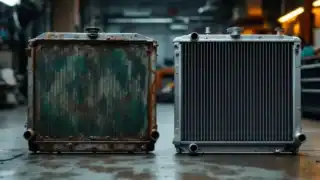
Vehicle age and model also matter. Newer Toyota models may have plastic radiators or integrated cooling modules that cost more to replace than older models with simple metal radiators. Corrosion inside the cooling system can also mean a flush isn’t enough, and a more thorough clean or radiator removal becomes necessary.
Why Toyota Owners in Mitchell Choose ZP Automotive
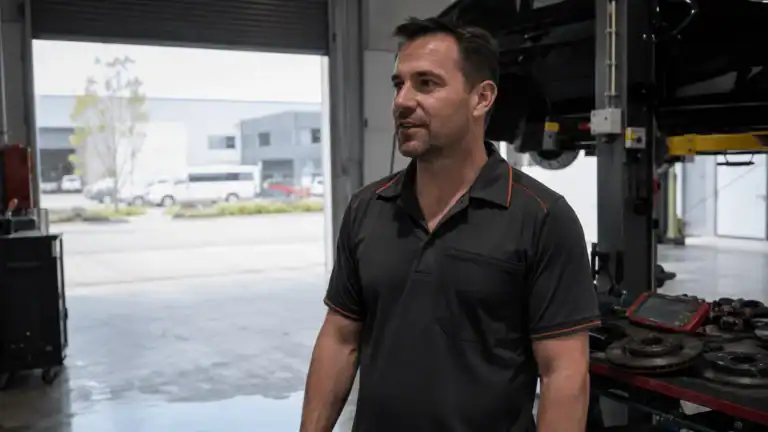
We’re an independent workshop run by Brendan, who’s spent over 10 years in the trade. We don’t use dealership labour rates or upsell parts you don’t need. When you come in with a cooling system issue, you deal directly with the mechanic, not a service advisor with a script.
We use quality parts and oils from trusted brands like Penrite, not the cheapest no-name stock. Your Toyota’s warranty stays intact when you service with us. If your car is still under manufacturer warranty, logbook servicing at an independent workshop doesn’t void your coverage as long as we use appropriate parts and follow the service schedule, which we do. We explain what’s wrong, what it costs, and what can wait. No surprises at the end.
We’ve handled plenty of Toyota cooling system repairs across Mitchell and north Canberra. We know which models are prone to radiator issues, which coolant types Toyota specifies, and how to diagnose a problem quickly without ordering unnecessary parts.
When to Book Your Toyota Radiator Service in Mitchell
If you’ve noticed any of the warning signs listed above, don’t put it off. Overheating can damage your engine cylinder head, gaskets, and internal components, turning a radiator service into a thousands-of-dollars engine rebuild.
Even if you haven’t noticed symptoms, follow Toyota’s service schedule. Coolant degrades over time and should be changed every 80,000 km or as recommended in your logbook. A radiator inspection as part of your regular logbook servicing catches small issues before they become big ones.
Call & Book Now or claim your free inspection online at your convenience. We’ll diagnose the issue, explain what’s needed, and get your Toyota running cool again. We’re here to help keep your family safe on the road.