Your Honda’s water pump is the heart of its cooling system. It circulates coolant through the engine, cylinder head, and radiator to keep temperatures in check. A Honda water pump replacement becomes necessary when the pump fails, leaks, or begins to lose pressure. Unlike some maintenance tasks you can put off, a failing water pump is urgent—if it stops working completely, your engine will overheat in minutes, risking serious damage. If you’re driving a Honda in Mitchell and notice signs of cooling trouble, understanding what’s happening and when to act can save you time, money, and a breakdown on the road.
Signs Your Honda Water Pump Needs Replacement
Water pump failure doesn’t always announce itself dramatically. Early warning signs often appear weeks or months before complete failure, giving you a window to arrange service before a crisis.
- Coolant leaks under the car, often visible as a puddle beneath the engine bay after parking
- Rising temperature gauge, especially during highway driving or slow traffic
- Sweet-smelling coolant odour near the engine or under the bonnet
- Squealing or grinding noise from the front of the engine, near the timing belt or serpentine belt
- Steam from under the bonnet or visible from the grille
- Overheating warning light on the dashboard
- Soft or spongy feel when the car is warming up, sometimes accompanied by heater that blows cold air
If you notice any of these symptoms in your Honda, bring it in for a cooling system inspection. A slow leak might seem minor, but it compounds over days. The longer coolant levels drop, the harder your engine works to stay cool, and the closer you are to an expensive overheat event.
How We Diagnose and Replace Your Honda Water Pump in Mitchell
Honda water pump replacement starts with a proper diagnostic. We don’t assume the pump is the culprit just because you mention overheating—coolant leaks can come from hoses, the radiator, the thermostat housing, or the pump itself. Our approach is to inspect, test, and identify the exact source before recommending a repair.
Once we confirm the pump is failing, here’s what the replacement process involves. First, we drain the cooling system carefully and disconnect hoses, belts, and any components blocking access to the pump. Honda water pump location varies by model and engine size—some pumps sit behind the timing belt, others are more accessible—so we follow the specific service manual for your vehicle. We remove the old pump, clean the mounting surface, fit a new gasket, and install a quality replacement pump that matches Honda’s specifications. The cooling system is then refilled with fresh coolant, bled to remove air pockets, and tested for leaks and proper flow.
For many Honda models, including CR-V, Civic, Accord, and Jazz variants, we use OEM-equivalent parts that meet Honda’s engineering standards. The pump itself is critical, but we also inspect the serpentine belt, timing belt (if accessible), and hoses during the job. If they’re worn or near the end of their service life, we’ll flag that so you can plan ahead—replacing a worn belt while the pump is out is far cheaper than another full coolant system service months later.
What Affects the Cost and Time for This Service
Honda water pump replacement isn’t a fixed-price job because access and complexity vary across Honda’s model range. A pump on a Jazz or Civic with straightforward engine bay layout takes less labour time than a pump hidden behind the timing belt on some Accord or CR-V engines. Parts cost depends on whether you choose genuine Honda parts or quality aftermarket equivalents that meet the same standard—we don’t stock bargain-bin pumps that fail within months.
Coolant type matters too. Hondas typically use Honda coolant or equivalent long-life fluids (usually pink or blue, depending on the model and year). Fresh coolant protects against corrosion and maintains the pump’s seal integrity, so we use the right spec every time. If your car is due for other cooling work—thermostat, hoses, radiator flush—doing it together reduces labour cost compared to separate visits.
Turnaround time typically ranges from half a day to a full day, depending on pump accessibility and whether we find secondary issues during inspection. We’ll give you a clear picture of what’s needed and how long it’ll take before we start work. No surprises, no upsell—just honest assessment of the job at hand.
Why Choose ZP Automotive for Your Honda Water Pump Service
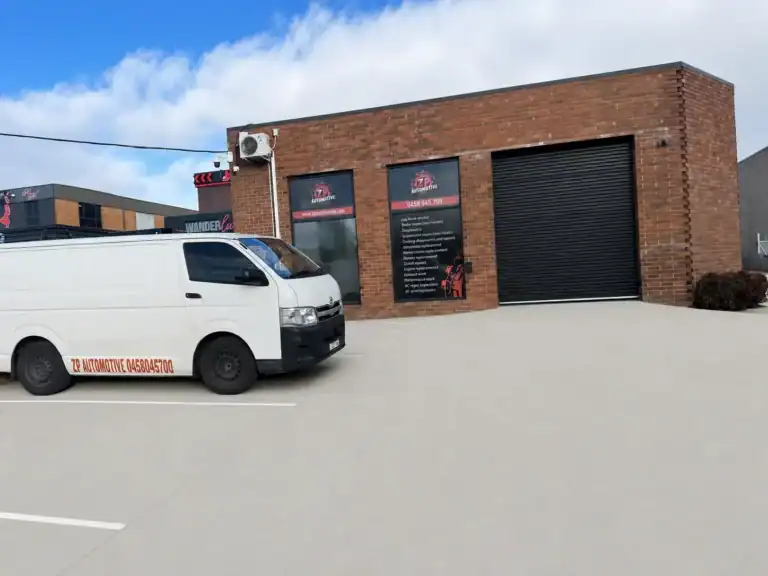
We’re an independent, owner-operated workshop in Mitchell with over 10 years in the trade. When you bring your Honda in for water pump replacement, you’re dealing directly with the mechanic doing the work—no service advisor, no upsell scripts, no dealership labour rates eating into your bill. We focus on quality parts and honest advice. We use Penrite oils and quality brands throughout our work because they perform and last, not because they’re the cheapest option on the shelf.
Your Honda’s manufacturer warranty stays intact with our logbook servicing, including cooling system work. We follow Honda’s service intervals and specifications, so there’s no conflict between independent service and warranty coverage. Fair, transparent pricing is core to how we operate. We explain what’s wrong, what it costs, what it’ll take to fix, and what can wait. You won’t hear pressure to replace parts you don’t need or vague estimates that balloon at the counter.
We also handle other cooling system diagnostics and air conditioning servicing, so if your Honda has broader climate control concerns, we can sort those at the same time. If you’re running a small fleet or rely heavily on your Honda for work, we understand the downtime cost and prioritise keeping you on the road.
Get Your Honda Water Pump Checked Today
If you’ve spotted coolant leaks, temperature gauge creep, or overheating warnings in your Honda, don’t delay. Call & Book Now or claim your free inspection to have our team at ZP Automotive assess your cooling system and confirm what needs doing. We’re here in Mitchell, ready to help.