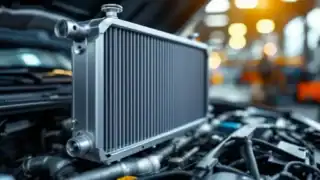
A Honda radiator repair becomes necessary when your cooling system stops doing its job properly. The radiator is the component responsible for dissipating heat from your engine coolant, keeping your Honda running at the right temperature. Without a properly functioning radiator, your engine can overheat quickly, leading to serious damage and potentially leaving you stranded. If you’re noticing signs of radiator trouble, getting it inspected and repaired promptly will save you from much costlier engine repairs down the track.
Signs Your Honda Radiator Needs Attention
Honda radiators can fail in a few distinct ways, and spotting the warning signs early makes a real difference. The most obvious signal is coolant pooling underneath your parked car, usually a bright green, orange, or pink fluid depending on your Honda model. You might also notice your temperature gauge creeping higher than normal, especially in traffic or on warmer days. Some owners catch a sweet smell coming from under the bonnet, which often indicates coolant escaping from a leak or a failed radiator seal.
- Visible coolant leaks on the driveway or under the car
- Temperature gauge running hot, particularly at idle
- Steam or mist visible from under the bonnet
- Sweet or bitter smell near the engine
- Coolant levels dropping quickly between checks
- White or discoloured patches on radiator fins or hose connections
Internal radiator corrosion is also common in older Hondas. You won’t see this failure coming from the outside, but you’ll notice it when your temperature gauge climbs despite what should be a functioning cooling system. Some Hondas develop blocked passages inside the radiator core, restricting coolant flow even though the radiator appears intact. This typically shows itself as overheating under load but normal temperatures when parked.
How We Diagnose and Repair Honda Radiator Issues in Mitchell
Our diagnostic process for Honda radiator repair starts with a visual inspection. We check for obvious cracks, corrosion, or damage to the radiator itself and examine all hose connections, clamps, and the radiator cap. We look for coolant stains and deposits that tell us where leaks are happening. For Hondas, we also inspect the radiator bracket mounts, which can corrode and cause the radiator to shift or vibrate, damaging hoses and weakening connections.
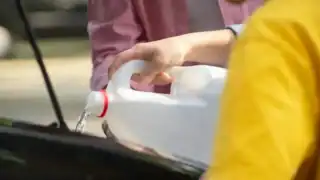
Next, we run a cooling system pressure test. This reveals small leaks that aren’t immediately visible and confirms whether the radiator itself is holding pressure or if the failure is elsewhere in the system. We also check your coolant condition and test whether it matches Honda’s specification for your model year. Honda uses different coolant types across their range, and using the wrong type can cause internal corrosion, so getting this right matters.
If the radiator is beyond repair, we’ll recommend either a quality replacement unit or a recored radiator, depending on availability and your vehicle’s age. We use parts that meet or exceed Honda’s engineering standards. We don’t use the cheapest no-name radiators; we install units that will last and keep your Honda running reliably. Once fitted, we flush the entire cooling system with fresh coolant, refill to Honda specifications, and run the engine to confirm the temperature gauge sits where it should.
What Affects Honda Radiator Repair Cost and Timeline
Several factors influence the time and cost of Honda radiator repair. The main variable is whether the radiator can be repaired or needs replacement. A simple leak at a hose connection or radiator cap might be a quick fix. A cracked or internally blocked radiator usually means replacement, which takes longer because we need to drain the system, remove the radiator, fit the new unit, and refill with the correct coolant.
Your specific Honda model affects availability too. Common models like Civic and Accord have radiators in stock or available within a day. Older models or less common variants might need ordering, which extends the timeline. We’re transparent about this upfront, so you know exactly what to expect before we start work.
Whether you choose an OEM Honda radiator or an equivalent aftermarket unit also affects cost. Both work well when sourced from reputable suppliers, but OEM parts carry Honda’s guarantee. We’ll discuss the options with you and let you decide what suits your situation and budget. Labour time is straightforward and doesn’t surprise you; we explain how long the job will take before we begin.
Why Choose ZP Automotive for Honda Radiator Repair
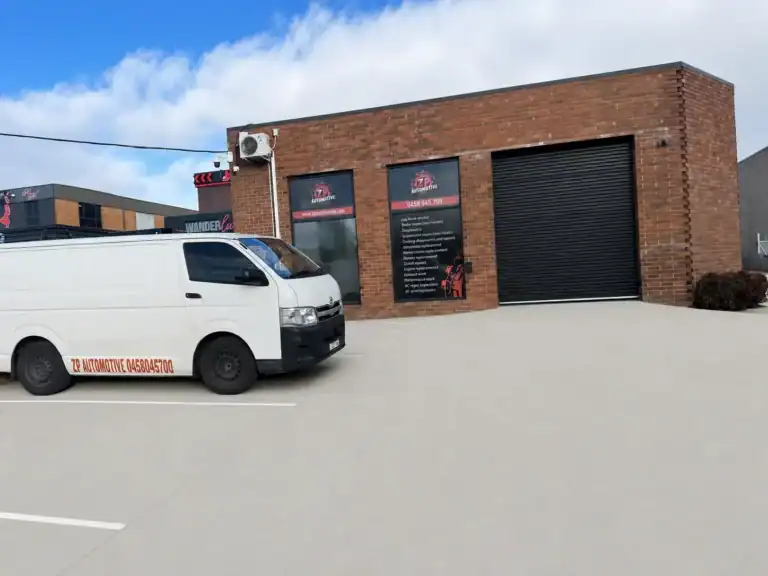
We’re an independent, owner-operated workshop with more than 10 years in the trade. We’re not a dealership, so we don’t carry dealership labour rates, but we work to the same quality standard every time. When you bring your Honda in, you deal directly with the mechanic doing the work. No service advisor upsell scripts. We explain what’s actually wrong, what it’ll cost, and what can wait.
We know Honda cooling systems inside out. We’ve seen what works and what doesn’t on everything from older Accords to current Civics. We use quality replacement parts and Penrite coolants that match your Honda’s spec. Your logbook servicing history with us stays clean and straightforward, protecting your warranty coverage. We keep meticulous records, so if you ever need proof of work for warranty purposes, you’ve got it. Our 5.0 verified reviews reflect our commitment to honest, transparent service every time.
Next Steps for Your Honda Radiator in Mitchell
If you’re seeing signs of radiator trouble, don’t wait. Overheating can cause serious engine damage quickly. Call & Book Now to schedule your inspection, or claim your free inspection online and we’ll check your cooling system thoroughly. We’ll let you know exactly what’s needed and give you honest advice on timing and cost. We’re here in Mitchell and ready to get your Honda back to reliable running.