Owner-Operated Workshop
Quality Parts & Oils
5.0★ Rating
Transparent Pricing

5.0 (Verified Reviews)

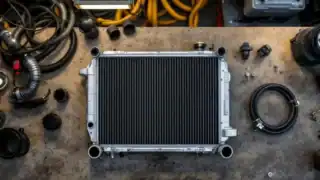
Industry Leading Kia Radiator Repair In Mitchell

Your Kia's radiator keeps the engine cool. When it fails, overheating can cause serious damage. We diagnose the problem, discuss repair options, and get you back on the road reliably.

Honest Advice

Quality Parts

5.0★ Rating

Kia Cooling Diagnostics

Claim Your Free Check

Fill in the form and we'll get back to you promptly — no obligation.

Booking Form
  • Vehicle Details
  • Confirm Vehicle
  • Services
  • Contact Details
No Upsell Scripts
Quality Parts Used
Plain-English Advice

Why Book With Us

Claim Your Free Inspection
Drop Off Your Car
We Get to Work
Back on the Road

A failing radiator in your Kia can leave you stranded on the road or cause engine damage that costs thousands to repair. Kia radiator repair isn’t something you want to delay once symptoms appear. Whether you’re driving a Sportage, Cerato, or Sorento around Mitchell, a radiator that’s leaking, clogged, or corroding will push coolant temperatures higher and higher until your engine overheats. We diagnose and repair Kia cooling system faults quickly, using parts that match Kia’s engineering specifications so your vehicle runs cool and reliable again.

Warning Signs Your Kia Radiator Needs Repair

A radiator doesn’t fail without warning. Most owners notice something wrong weeks before a complete breakdown, but many aren’t sure what to look for. The most obvious sign is a puddle under your car when parked — usually a bright green, orange, or pink coolant stain on the driveway. Don’t ignore it. Even a small leak will eventually drain your coolant system entirely.

Temperature gauge creeping toward the hot zone is another red flag. If your Kia’s dash temperature needle is climbing higher than normal, especially in traffic or on warm days, your radiator isn’t transferring heat away from the engine as it should. You might also notice a sweet smell near the engine bay (that’s coolant vapour) or steam rising from under the bonnet. Both of these mean your cooling system is under stress and needs inspection immediately.

Some Kia owners report white or milky coolant visible through the translucent overflow tank – a sign that water or contaminants have mixed with the coolant, reducing its effectiveness. If your heater has stopped working properly, that’s also connected to cooling system health; Kia cooling circuits often share fluid pathways with the heating system. Any of these symptoms warrant a professional inspection before driving further.

How We Diagnose and Repair Kia Radiator Faults in Mitchell

Kia radiator diagnosis starts with a visual inspection. We look for external leaks, corrosion on the core or tanks, and damaged inlet and outlet hoses. Next, we check coolant level, colour, and concentration using a refractometer. Kia cooling systems are sensitive to coolant mix, and incorrect dilution reduces protection against corrosion and freeze damage. We pressure-test the radiator to isolate small leaks that might not be obvious at rest, and we inspect hose clamps and connections where leaks often develop.

If your Kia has overheating issues without an obvious external leak, we may perform a block test to check for internal coolant loss (a sign of head gasket failure) or remove and flush the radiator to clear sediment and mineral buildup that restricts flow. Kia radiators are aluminium construction and can develop internal blockages over time, especially if coolant hasn’t been changed regularly. A blocked radiator won’t leak but will still overheat your engine because coolant can’t circulate properly.

Depending on what we find, repair might mean re-sealing a small leak, replacing corroded hoses and clamps, flushing and refilling with fresh OEM-spec coolant, or removing and recoring or replacing the radiator itself. We always use coolant that matches Kia’s engineering specifications – not just any pink or green fluid. The correct coolant ensures your Kia’s thermostat, water pump, and head gasket stay protected against corrosion and cavitation. This attention to OEM standards is what separates proper Kia radiator repair from generic cooling work.

What Affects Repair Cost and Time for Kia Radiator Work

A simple coolant top-up and hose replacement can be done in an hour. A full radiator removal, repair, and reinstall takes longer because we need to drain the system, disconnect multiple hoses and brackets, and refill carefully to remove air pockets. The cost depends on whether your radiator can be repaired (minor leaks in the tanks can sometimes be sealed) or whether replacement is safer. A reconditioned or new radiator is the more reliable fix for core leaks.

Parts availability is rarely an issue with Kias. Popular models like the Sportage and Cerato have readily available genuine and quality aftermarket radiators in Australia. We don’t use the cheapest no-name stock; we source parts that will last and won’t compromise your Kia’s cooling reliability. Your vehicle’s age, mileage, and model will influence whether we recommend OEM-equivalent or genuine Kia parts, and we discuss that with you before work begins.

Labour time also depends on engine bay layout. Some Kias require significant dismantling of plastic covers and other components to access the radiator safely. We won’t rush this work or cut corners. Overheating damage costs far more than taking time to do a repair correctly.

Why Choose Independent Kia Radiator Repair in Mitchell

Dealership service departments charge labour rates that can double your repair cost for straightforward work. We’re an owner-operated, family-run workshop with over 10 years in the trade, and we understand Kia cooling systems inside out. You speak directly to the mechanic working on your car, not a service advisor reading from a script. There’s no corporate overhead passed on to you, and no upsell pressure.

We use quality parts like Penrite coolant and Rico components, not budget alternatives. Your Kia radiator repair won’t compromise your manufacturer warranty if you’re still under cover. Australian consumer law protects you there, and we make sure our work aligns with Kia’s engineering standards. You get fair, transparent pricing explained in plain English before we start, and we’ll tell you honestly if something can wait or if it needs fixing now.

We also offer logbook servicing that keeps your Kia’s manufacturer warranty intact, engine diagnostics to track cooling faults accurately, and air conditioning servicing (which shares components with your cooling system on many Kias). Our 5.0 verified reviews reflect the care we take on every job, no matter how small.

Keep Your Kia Cool and Reliable

A well-maintained cooling system keeps your Kia engine safe and extends vehicle life. If you’ve noticed coolant leaks, overheating, temperature gauge climbing, or any other sign of radiator trouble, call us or claim your free inspection today. We’ll identify exactly what’s wrong and explain your repair options without pressure. Mitchell’s temperature extremes in summer mean your radiator works hard. Let’s make sure it’s doing its job properly.
Other Services

Whatever your needs we have you covered, see some similar services below or click "See All Services" to explore our full service offering.

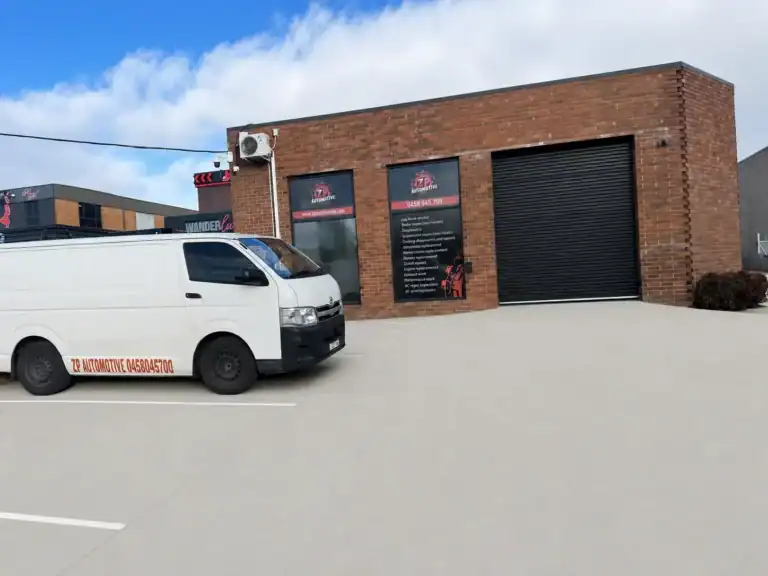
Honest Mechanics, Fair Prices in Mitchell

Owner-operated and family-run, we give you straight answers, quality parts, and fair pricing without the dealership markup or the upsell scripts.

You Deal With the Mechanic

Talk directly to the owner — no service advisors, no middlemen, no upsell pressure.

Quality Parts, Honest Pricing

Bring your vehicle in and we’ll assess what’s needed before any work begins.

Kia Radiator Repair Warranty

All Kia cooling repairs backed by warranty, using OEM-spec parts sourced correctly.

How Kia Radiator Repair Works

From diagnosis to collection, we repair your Kia's cooling system and get you back on the road safely.

Step 1

Claim Your Free Inspection

Claim your free inspection to diagnose your Kia's radiator and cooling system faults.

Step 2

Kia Cooling System Diagnosis

We inspect your radiator, hoses, thermostat and coolant using Kia diagnostic equipment to identify the fault.

Step 3

Radiator Repair or Replacement

We repair or replace your radiator with quality parts, ensuring proper fit and function for your Kia.

Step 4

Final Check and Collection

We test cooling system performance, confirm temperature stability, and hand over your Kia ready to drive.

What Our Customers Say

5.0 (Verified Reviews)

Quality Parts From Trusted Suppliers

We use quality oils and parts from reputable suppliers — including Penrite and Rico — because what goes into your car matters as much as the work itself.

Claim Your Free Check

Fill in the form and we'll get back to you promptly — no obligation.

Booking Form
  • Vehicle Details
  • Confirm Vehicle
  • Services
  • Contact Details
No Upsell Scripts
Quality Parts Used
Plain-English Advice

Why Book With Us

Claim Your Free Inspection
Drop Off Your Car
We Get to Work
Back on the Road

Got Questions? We Have Answers

Browse the common questions below. If yours isn't listed, give us a call and we'll give you a straight answer.

Kia radiator repair depends on what’s wrong. We inspect your cooling system to pinpoint the issue — whether it’s a small leak, internal corrosion, a blocked core, or a failed thermostat housing. Once we’ve diagnosed it, we explain your options: repair the leak, flush and refill the coolant, or replace the radiator if damage is beyond economical repair. You’ll know exactly what’s needed before we start work.

Most radiator repairs take between two and four hours, depending on whether we’re simply flushing the system, sealing a small leak, or removing and replacing the entire radiator. Access varies by model – some Kias make the job straightforward, others require more time to remove trim and ancillary parts. We’ll give you a realistic timeframe once we’ve assessed the job. Many repairs can be completed same-day if parts are in stock.

Watch for coolant leaks under the car (often bright green, orange, or pink fluid), the temperature gauge climbing into the red zone, steam from under the bonnet, or a sweet smell near the engine. A soft or hissing radiator hose, rust stains on the radiator fins, or dashboard warning lights for coolant pressure are also red flags. Don’t ignore overheating – driving on an overheated engine risks serious head gasket damage. If you notice any of these, get it checked soon.

Under Australian consumer law, ACCC guidance generally supports independent servicing of new vehicles without affecting manufacturer warranty, provided the service meets manufacturer specifications and quality standards. We use quality Penrite oils and follow Kia service schedules exactly. However, warranty terms vary between models and years, so we recommend checking your specific paperwork or asking your dealer about their policy. If you’re uncertain, bring your logbook in and we’ll discuss your situation plainly.

Kias can develop radiator issues from age and coolant degradation – the anti-corrosion additives break down over time, exposing aluminium and brass to internal corrosion. Vibration and thermal cycling weaken solder joints, especially in higher-mileage vehicles. Road debris, an accident, or contact with a sharp object can puncture the core. Poor coolant maintenance or using the wrong coolant type accelerates failure. We see corrosion in older Kias fairly regularly, particularly those running long intervals between coolant flushes.

We use quality OEM-equivalent parts and Penrite coolants that meet Kia specifications – not the cheapest no-name stock. For most radiator jobs, we source replacement radiators that match your vehicle’s factory specifications and cooling capacity. We don’t skimp on parts quality or use sub-standard coolant. If a genuine Kia part is the best option for your repair, we’ll recommend it and quote accordingly. Either way, you get transparent pricing upfront.

Kia recommends a coolant flush every 40,000 to 60,000 kilometres or every two to three years, whichever comes first. Check your logbook for the exact interval for your model and year. Regular flushing removes contaminants and refreshes the anti-corrosion additives that protect the radiator from internal breakdown. If you’ve missed flushes or aren’t sure when the last one was done, we can discuss your vehicle’s history and recommend a service schedule suited to your driving needs.

Ignoring a coolant leak is risky. As coolant level drops, your engine temperature rises, eventually triggering overheating. Once the engine gets too hot, you risk catastrophic damage – a blown head gasket can cost thousands to fix and leave you stranded. Even short drives on low coolant can cause internal warping and corrosion. A small leak that costs a few hundred dollars to fix now becomes a major engine rebuild later. If you spot a leak, get it checked promptly.

No – stop driving and pull over safely if your temperature gauge heads into the red or warning lights illuminate. Continuing to drive risks severe engine damage within minutes. Turn off the air conditioner and any heavy loads. Once you’ve safely stopped, do not open the radiator cap immediately – the system is under pressure and hot coolant can cause serious burns. Call us or another mechanic for advice. Depending on the cause, you may need a tow rather than risk further damage.

A properly completed radiator repair restores your cooling system to reliable operation. Once we’ve fixed the leak, replaced damaged components, and refilled with quality coolant, your engine should maintain steady temperature. The key to reliability is staying on top of coolant flushes every two to three years and catching any new leaks early. We’re available if you notice temperature creeping up again – bring it back and we’ll diagnose what’s changed.

Continue to site