A failing radiator can leave you stranded on the side of the road or cause expensive engine damage if coolant leaks go unchecked. Nissan radiator repair addresses leaks, blockages, and cooling failures that affect everything from daily commutes in Mitchell to longer drives across Canberra. If your Nissan is running hot, losing coolant, or showing warning lights on the dash, a proper diagnosis and repair now prevents a much costlier engine rebuild later.
Warning Signs Your Nissan Radiator Needs Attention
Most radiator problems announce themselves clearly before they become critical. The key is catching them early.
- Temperature gauge climbing higher than normal, especially in traffic or on warm days
- Coolant leaks under the car (bright green, orange, or pink fluid depending on your Nissan’s coolant type)
- Sweet smell from under the bonnet (coolant has a distinctive odour)
- Steam or vapour coming from the engine bay
- Low coolant warning light on the dashboard
- Milky or discoloured coolant visible in the overflow tank
- Engine overheating or cutting out temporarily before recovering
These symptoms tell you the cooling system is struggling. A radiator can develop small pinhole leaks that worsen over time, or internal corrosion can reduce its ability to shed heat. In some Nissan models, particularly older examples, radiator seams and inlet tanks are known weak points. The longer you ignore rising temperatures, the greater the risk of head gasket failure or warped cylinder heads, which turn a straightforward radiator repair into a five-figure engine job.
How We Diagnose and Repair Nissan Radiator Issues
When you bring your Nissan to us in Mitchell, we start with a full cooling system inspection rather than guessing at the fault.
First, we verify the coolant level and condition. Nissan coolant specifications vary by model year and engine type. Some Nissan models use long-life pink or orange coolant, others use the older green type. We check whether the coolant matches your car’s requirements and whether it’s been contaminated or broken down, both of which reduce cooling efficiency. A visual inspection of all hoses, clamps, and connections identifies obvious leaks or deterioration.
Next, we pressure-test the system. This involves sealing the radiator and applying controlled pressure to pinpoint even small leaks that might not be visible at rest. Some leaks only show up when the system is hot and pressurised, so we may run the engine to operating temperature and retest. A pressure test tells us whether the radiator itself is compromised or whether the leak is coming from hoses, the thermostat housing, or the water pump. Each requires different repairs.
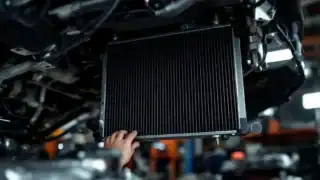
If the radiator is the culprit, we assess whether it can be repaired or must be replaced. Some leaks in plastic end tanks can be sealed, but if the core (the metal mesh that transfers heat) is damaged or blocked, replacement is the only reliable solution. We discuss both OEM Nissan radiators and quality aftermarket equivalents, explaining the trade-offs in cost, warranty, and longevity.
What Affects Cost and Time for Nissan Radiator Service
Several factors influence how much the repair costs and how long it takes.
Radiator type and availability: Some Nissan models use straightforward designs; others have integrated heater circuits or are tucked into tight engine bays requiring extra labour to remove. An OEM Nissan radiator typically costs more than an equivalent aftermarket unit, but both are generally available within days. We’ll quote you before ordering and explain why we recommend one option over another.
Severity of the problem: A small hose leak takes a few hours. A cracked radiator core requiring full replacement, including draining and flushing the system, takes longer. If the leak has caused overheating that damaged other components (thermostat, water pump), that extends both time and cost. We identify these issues during diagnosis so there are no surprises later.
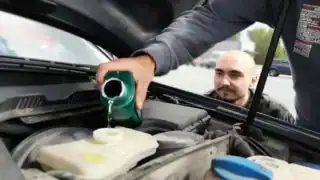
Flushing and refill: When a radiator leaks or fails, contaminants can enter the system. A proper flush removes old coolant, sediment, and corrosion products, then we refill with fresh coolant that meets Nissan’s specifications. This protects the new radiator and the entire cooling system from premature wear.
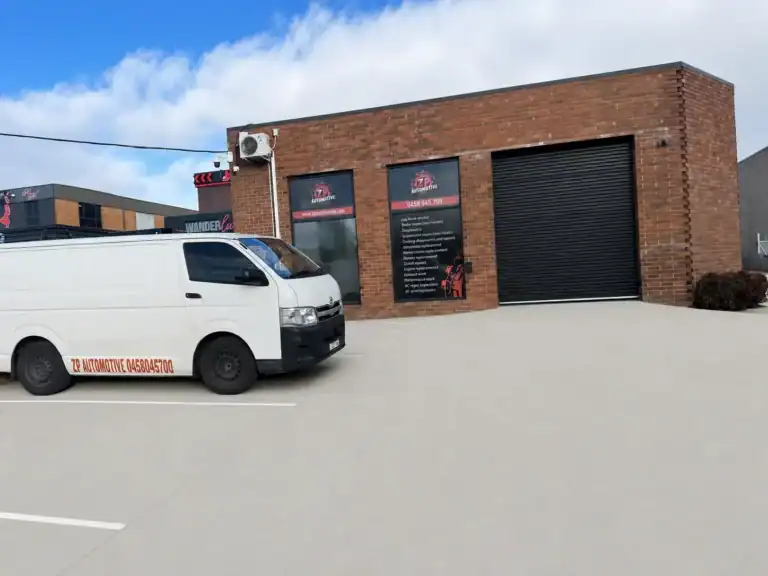
Why ZP Automotive for Your Nissan Radiator Repair in Mitchell
You’re not paying dealership labour rates for this work, but you’re not compromising on quality either. We use quality replacement parts and Penrite coolant that meets Nissan’s OEM specifications, not the cheapest no-name stock. When we diagnose a radiator problem, we explain exactly what’s wrong, what it’ll cost, and what can wait. No pressure to replace things that don’t need replacing. No service advisor script.
You deal directly with the mechanic doing the work, which means you get honest, plain-English advice backed by over 10 years in the trade. We own and run the workshop ourselves, so your reputation is ours. If a radiator repair is the right fix, we do it well. If a thermostat swap would buy you more time before replacement, we tell you. If your Nissan’s coolant is low because of a simple leak in a hose clamp rather than radiator failure, we show you that instead of selling you an unnecessary radiator.
For logbook-serviced Nissans, radiator repairs are genuine maintenance, and using an independent workshop like ours keeps your manufacturer warranty intact. You’re not locked into dealership service to protect your cover. We also handle air conditioning servicing, engine diagnostics, and other cooling system work that keeps your Nissan running reliably.
Nissan Radiator Repair and Long-Term Engine Health
A radiator isn’t just about keeping the engine cool; it’s about protecting your entire investment. Nissan engines are built to run within tight temperature ranges. Once coolant temperatures climb, damage happens quickly. Head gaskets fail, aluminium components warp, and oil breaks down faster. A $500 radiator repair today costs a fraction of what an engine rebuild costs tomorrow.
We’ve seen plenty of Nissans in Mitchell and the surrounding area come in with overheating issues that were caught too late. The owners who brought their cars in early got back on the road with a straightforward repair. The ones who kept driving left the problem to worsen. Our pressure-test diagnostic approach means we catch failures early and give you the real story about what needs fixing now and what can wait.
Next Steps
If your Nissan is running hot, losing coolant, or showing cooling system warning lights, the fastest way forward is to call us and book a free inspection. We’ll run a pressure test, identify the exact problem, and give you a clear repair plan with fair pricing before you commit to anything. Don’t let a radiator issue become an engine problem. Claim Your Free Inspection and find out exactly what your Nissan needs.