A failing radiator can leave you stranded, and Japanese vehicles are particularly vulnerable to coolant leaks when their radiators age. Japanese vehicles radiator repair in Mitchell addresses one of the most common cooling system failures we see, especially in Toyotas, Mazdas, Subarus, and Hondas that have clocked up serious kilometres. If your vehicle is overheating, losing coolant, or showing white steam from under the bonnet, a radiator fault is often the culprit. We diagnose the root cause, establish whether your radiator can be repaired or needs replacement, and get your cooling system back to working order so your engine stays at the right temperature and you avoid catastrophic heat damage.
Common Signs Your Japanese Vehicle’s Radiator Needs Attention
Most drivers don’t think about their radiator until something goes visibly wrong. By then, the engine is often already hot. Here are the warning signs that typically bring Japanese vehicle owners to our Mitchell workshop:
- Coolant puddles or drips under the car, especially after parking
- The temperature gauge creeping toward the red zone or fluctuating erratically
- Sweet-smelling steam or visible mist coming from the engine bay
- Noticeably warmer air from the heater than usual
- Low coolant level on the expansion tank, requiring frequent top-ups
- Rust-coloured or cloudy fluid in the radiator instead of clear red or blue
- Fan running constantly or at higher speeds than normal
Some of these symptoms develop gradually over weeks; others appear suddenly. A small pinhole leak might weep slowly for months before you notice the pattern. A cracked core or failed solder joint can rupture without warning. Japanese vehicles — particularly older Toyota Corollas, Mazda 3s, and Subaru Imprezas — sometimes develop radiator corrosion from the inside out if coolant hasn’t been changed on schedule. The mineral buildup eats through aluminium cores and creates weak spots that eventually fail.
What Happens During Japanese Vehicles Radiator Repair and Diagnosis
We don’t guess. The first step is always a proper inspection.
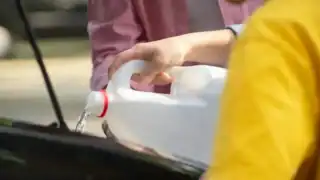
We start by checking the coolant level and condition with the engine cold. Discoloured or particles-laden fluid tells us corrosion or contamination is already underway. We then run the engine and watch the temperature gauge and cooling fan behaviour to understand how the system is responding. Many apparent radiator problems are actually thermostat failures or faulty fans — we rule those out before assuming the radiator itself is the issue.
If we suspect a leak, we pressurise the cooling system using a hand pump. This forces any existing coolant out through the leak point, making it visible and locating the exact fault. A small external leak might be repairable with a quality radiator sealant or a localised patch. A pinhole in the core, structural cracks, or internal corrosion usually requires radiator replacement.
For Japanese vehicles, we follow OEM service procedures. Toyota’s logbook schedules, for example, often specify coolant change intervals; ignoring those schedules leads to the acidic breakdown and corrosion we see repeatedly. Mazdas and Subarus have similar requirements. We check your vehicle’s service history and advise whether your radiator failure is linked to deferred maintenance — so you can make an informed call about future servicing rhythm.
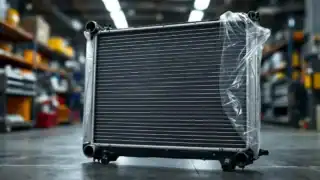
If replacement is needed, we source either genuine Japanese OEM radiators or quality equivalent parts that match your vehicle’s original specification. We flush the entire cooling system during the replacement process, removing old coolant and debris that would otherwise shorten the life of a new radiator. We also inspect hoses, the water pump, and the thermostat while we’re in there — no point fitting a new radiator if the water pump is on its way out.
What Affects Repair Cost and Time for Your Japanese Vehicle
Several factors shape the final bill and how long you’ll be without your car.
Radiator type and availability: A radiator for a 2010 Toyota Corolla is straightforward to source and fit; a radiator for a 2005 Subaru Forester or a Mazda RX-8 requires more digging. Imports or older models sometimes take a few extra days to arrive.
Extent of the leak: A small external weep takes an hour or two to diagnose and potentially seal. A full radiator replacement with system flush takes most of a day. If the leak has allowed coolant into the oil, or if the engine has overheated and warped the head, the repair escalates significantly — though these complications are less common when the problem is caught early.
Parts choice: We use quality brands — genuine Japanese OEM parts where recommended, or proven aftermarket equivalents like Penrite coolants that meet or exceed manufacturer specifications. We won’t use cut-price radiators from unknown suppliers; a cheap radiator that fails in six months costs you far more in downtime and repeat labour than spending a bit more upfront on a part that lasts.
System condition: If your cooling system is heavily corroded or your hoses are brittle and cracking, we’ll flag that during the work. You can choose to address it immediately or defer it — but we’ll be honest about the risk of a repeat failure if you don’t.
Why Choose ZP Automotive for Japanese Vehicles Radiator Repair in Mitchell
You’re dealing directly with a mechanic doing the work, not a service advisor reading from a script. The team has over 10 years in the trade and understands Japanese vehicles inside out. We won’t oversell you on repairs you don’t need. If your radiator is repairable, we’ll tell you. If it needs replacing, we’ll explain why and show you the options.
We maintain your manufacturer warranty through logbook servicing, and that extends to cooling system work. Repairing or replacing your radiator at an independent workshop doesn’t void your new-car warranty — Australian consumer law protects that — and we keep your records clear so you can prove proper maintenance if you ever need to claim.
Pricing is fair and transparent. No dealership labour rates, no surprise charges, no parts marked up five times over. You’ll know what’s needed and what it’ll cost before we start. We’re family-run and genuinely not here to rip you off. We also handle brakes, wrong-fuel recovery, vehicle lockout and roadside assistance, air conditioning servicing, engine diagnostics, and ACT rego inspections when needed.
Next Steps for Your Radiator
If you’ve spotted a coolant leak, your temperature gauge climbing, or steam from the engine bay, don’t drive the car hard or far — overheating damages engines quickly. Call & Book Now or Claim Your Free Inspection online so we can diagnose the fault and get you sorted. We’ll take the stress out of working out what’s actually wrong and what it’ll take to fix it.