Owner-Operated Workshop
Quality Parts & Oils
5.0★ Rating
Transparent Pricing

5.0 (Verified Reviews)

Trusted Japanese Vehicles Radiator Replacement In Mitchell

Your Japanese vehicle's cooling system keeps the engine running safely. We replace failed radiators with quality parts and get you back on the road without dealership costs.

Honest Advice

Quality Parts

5.0★ Rating

Japanese Cooling Specialist

Claim Your Free Check

Fill in the form and we'll get back to you promptly — no obligation.

Booking Form
  • Vehicle Details
  • Confirm Vehicle
  • Services
  • Contact Details
No Upsell Scripts
Quality Parts Used
Plain-English Advice

Why Book With Us

Claim Your Free Inspection
Drop Off Your Car
We Get to Work
Back on the Road

A radiator that’s failing will turn a reliable Japanese vehicle into a liability. Japanese vehicles are engineered for durability, but their cooling systems work hard, especially in Canberra’s variable climate and long suburban commutes. When your radiator starts to fail, overheating damage spreads quickly through the engine. Japanese vehicles radiator replacement isn’t something you can postpone. We see this regularly at our Mitchell workshop, and catching the problem early saves you thousands in engine repairs down the track.

Warning Signs Your Japanese Vehicle Radiator Needs Replacement

Your radiator may be failing silently, or it may announce itself loudly. Either way, knowing the symptoms means you can act before the engine overheats and suffers permanent damage.

  • Temperature gauge climbing toward red, especially in traffic or on hills
  • Sweet-smelling coolant leak pooling under the car (a sign of internal corrosion or a failed seal)
  • Visible rust or discolouration on the radiator core
  • Steam coming from under the bonnet after driving
  • Rough idle or loss of power when the cooling fan works overtime
  • Low coolant level that keeps dropping despite topping up

Some Japanese models, particularly Toyota and Honda vehicles, develop radiator weakness after 100,000 to 150,000 kilometres if the coolant hasn’t been changed on schedule. Nissan and Mitsubishi radiators can suffer accelerated corrosion in coastal areas or where roads are salted in winter. If you’ve noticed any of these signs, don’t ignore them. A failed radiator can leave you stranded, and an overheated engine can cost far more to repair than a radiator replacement.

What Happens During a Japanese Vehicles Radiator Replacement

Japanese vehicles radiator replacement is a straightforward repair when done properly, but it requires care and attention to detail. We don’t just pull out the old radiator and bolt in a new one. We inspect the whole cooling system to make sure the replacement will actually solve your problem and that nothing else is failing.

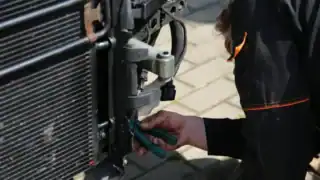
First, we drain the cooling system completely and dispose of the old coolant responsibly. We then remove the radiator hoses, fans, and mounting brackets. For Japanese vehicles, this step varies depending on the model. Toyota Corollas and Camrys have accessible top-mount designs, while some Honda Civics and Accords require removing the front bumper or intercooler. We know these quirks because we see them regularly.

Once the old radiator is out, we inspect the water pump, thermostat, and cooling fans. If the water pump is leaking or the thermostat is stuck, replacing the radiator alone won’t fix your overheating problem. We’ll flag this upfront so you understand exactly what needs to happen. For Japanese vehicles, we often recommend flushing the entire cooling system to remove buildup and corrosion, especially if your coolant hasn’t been changed in several years.

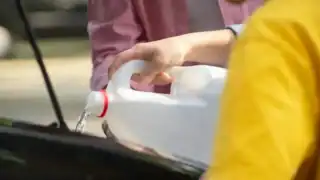
We fit a new radiator that meets or exceeds OEM specifications for your make and model, install new hoses if the old ones are worn, refill with the correct coolant type (Japanese vehicles typically use either red or blue long-life coolant depending on the brand), and bleed air from the system. We then test the cooling system under load to confirm the temperature gauge sits steady and the fans engage properly. A proper radiator replacement takes time, but rushing it means risking leaks or air pockets that will cause overheating again.

What Affects Cost and Turnaround Time

The cost of a Japanese vehicles radiator replacement depends on several real factors. The radiator itself varies in price depending on whether you choose an OEM-equivalent part or a quality aftermarket unit. We use quality parts, not the cheapest no-name stock that fails within two years. Parts availability also matters. Most Toyota, Honda, and Nissan radiators are readily stocked or available within a day. Some Mitsubishi or Subaru models may take longer to arrive.

Labour time varies too. A straightforward radiator swap on a Toyota Corolla or Honda Civic takes three to four hours. Vehicles with front bumper removal, intercoolers, or complex hose routing can take longer. If we discover the water pump or thermostat is failing during the inspection, that extends the job and the cost. We’ll always explain what we find and give you a clear picture of the full repair before we proceed.

Turnaround depends on parts availability and whether additional repairs are needed. We aim to complete a radiator replacement within one working day if parts are in stock. If the radiator needs ordering, we’ll let you know upfront so you can plan accordingly.

Why Choose ZP Automotive for Your Japanese Vehicles Radiator Replacement

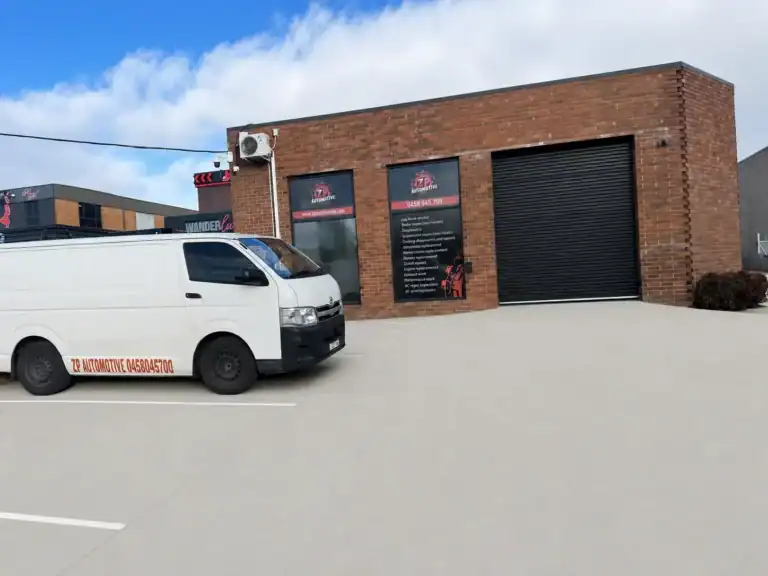
At our Mitchell workshop, you’re not dealing with a service advisor reading from a script. You deal directly with the mechanic doing the work. We have over 10 years in the trade, and we’ve replaced radiators on hundreds of Japanese vehicles. We use quality parts and fluids, including Penrite coolant and genuine-equivalent radiators, not budget alternatives that fail prematurely. You get fair, transparent pricing without dealership labour rates, and we explain what’s wrong, what it’ll cost, and what can wait.

If you’re running a logbook service schedule, a radiator replacement won’t void your manufacturer warranty. We document everything so you keep the protection your warranty provides. That matters for newer Japanese vehicles especially. We’re owner-operated and family-run, so you’re dealing with people who care about your vehicle’s long-term health, not hitting service targets.

Book Your Japanese Vehicles Radiator Replacement in Mitchell

If your Japanese vehicle is overheating or you’ve spotted coolant leaks, don’t wait for the engine to fail. Call & Book Now or Claim Your Free Inspection online. We’ll diagnose the cooling system, confirm whether you need a radiator replacement, and give you a clear quote before we start any work. We’re here to keep your Japanese vehicle running reliably on Mitchell roads.
Other Services

Whatever your needs we have you covered, see some similar services below or click "See All Services" to explore our full service offering.

Honest Mechanics, Fair Prices in Mitchell

Owner-operated and family-run, we give you straight answers, quality parts, and fair pricing without the dealership markup or the upsell scripts.

You Deal With the Mechanic

Talk directly to the owner — no service advisors, no middlemen, no upsell pressure.

Quality Parts, Honest Pricing

Bring your vehicle in and we’ll assess what’s needed before any work begins.

Japanese Radiator Expertise

We source the right parts first time for Japanese cooling systems.

How Japanese Radiator Replacement Works

From diagnosis to handover, we handle radiator replacement professionally at ZP Automotive in Mitchell.

Step 1

Claim Your Free Inspection

Claim your free inspection to assess your cooling system and confirm whether radiator replacement is needed.

Step 2

Japanese Cooling System Diagnosis

We pressure-test your radiator, check coolant condition, and inspect hoses using Japanese vehicle-specific procedures.

Step 3

Radiator Replacement

We remove the old radiator, flush the system, and install a quality replacement with appropriate coolant.

Step 4

Test Drive & Handover

We test cooling performance under load, verify temperature stability, and return your vehicle ready to run.

What Our Customers Say

5.0 (Verified Reviews)

Quality Parts From Trusted Suppliers

We use quality oils and parts from reputable suppliers — including Penrite and Rico — because what goes into your car matters as much as the work itself.

Claim Your Free Check

Fill in the form and we'll get back to you promptly — no obligation.

Booking Form
  • Vehicle Details
  • Confirm Vehicle
  • Services
  • Contact Details
No Upsell Scripts
Quality Parts Used
Plain-English Advice

Why Book With Us

Claim Your Free Inspection
Drop Off Your Car
We Get to Work
Back on the Road

Got Questions? We Have Answers

Browse the common questions below. If yours isn't listed, give us a call and we'll give you a straight answer.

Common warning signs include coolant leaks beneath your car, the engine running hotter than normal, steam coming from under the bonnet, or sweet-smelling coolant pooling on the driveway. You might also notice the temperature gauge creeping toward the red zone even in cool weather. If you spot any of these, get it checked promptly—a failing radiator can lead to serious engine damage if ignored. We inspect and diagnose cooling system issues regularly at our Mitchell workshop.

A radiator replacement typically takes two to four hours, depending on your vehicle’s layout and how accessible the radiator is. Some Japanese models have straightforward access; others require removing additional components. We’ll give you a realistic timeframe once we assess your specific car. Most jobs can be completed the same day, though we always confirm this upfront so you’re not left waiting.

We remove the old radiator, flush the cooling system to clear debris and contaminants, install a quality replacement radiator, refill with appropriate coolant, and test the system to ensure it’s working properly and holding temperature. We also inspect hoses and connections while we’re in there. You’ll get a full explanation of what was wrong, what we’ve done, and what we’ve used—no surprises.

No. Under Australian Consumer Law, as generally understood through ACCC guidance, having your vehicle serviced by a qualified independent mechanic does not automatically void your manufacturer warranty. Your warranty remains valid as long as the service is done properly and the parts used are of appropriate quality. We recommend checking your specific warranty documents or contacting your manufacturer if you have concerns, but independent servicing is a legitimate choice.

Some Japanese models are prone to radiator corrosion or internal blockages over time, particularly if coolant hasn’t been changed regularly. Certain makes experience faster wear on radiator seals or gaskets in hot conditions. We see these patterns regularly and know what to look for. Using quality coolant and sticking to service schedules helps prevent most radiator issues. If you’re unsure about your car’s history, we can inspect it and advise on preventive steps.

Cost depends on the radiator type, whether it’s a standard or high-performance unit, and your vehicle’s specific design. Labour varies based on how much work’s involved to access it. We don’t compete on price alone—we use quality parts and honest labour rates. You’ll get a clear quote before we start, with no hidden charges. We explain what affects the price so you understand where your money’s going.

We use quality coolant matched to your Japanese vehicle’s requirements, typically long-life formulas that meet manufacturer specifications. We don’t guess or use generic stock; the right coolant for your make matters for longevity and performance. We’ll let you know exactly what goes in and why. Penrite and similar quality brands are our preference, not the cheapest no-name alternatives.

No, not safely. A leaking radiator means coolant loss, which causes the engine to overheat. Overheating can damage the engine block, cylinder head, or gaskets—repairs far more expensive than a radiator replacement. If you notice a leak, stop driving and get it checked immediately. Pushing through will cost you significantly more in the long run. Contact us if you’re stuck and need assistance.

Continue to site