A Japanese vehicles cooling system flush is one of those services that doesn’t grab headlines until something goes wrong. Your engine runs hot, and coolant is what keeps it from cooking itself to death. Over time, that coolant breaks down, loses its ability to transfer heat efficiently, and picks up corrosion particles and sediment. A proper flush clears out the old fluid and replaces it with fresh coolant that’s matched to your vehicle’s OEM specifications. In Mitchell, we see Japanese vehicles from Toyota, Honda, Mazda, Nissan, and Subaru regularly, and each brand has its own cooling system chemistry. Getting the flush right means your engine stays protected and your temperature gauge stays where it should be.
Signs Your Japanese Vehicle’s Cooling System Needs a Flush
The first clue is usually the colour of your coolant. Pop the bonnet and look at the fluid in the overflow tank or radiator cap area. Fresh coolant is bright green, pink, or blue depending on the brand and type. If it looks brown, rusty, or muddy, that’s sediment and corrosion talking. Your engine is telling you it’s time.
Temperature spikes are another warning sign. If your gauge creeps up towards the red zone during normal driving, or if you notice the fans cycling on and off more often than usual, your coolant isn’t doing its job. Heat transfer has dropped because the fluid is worn out or contaminated.
- Coolant that looks discoloured, brown, or milky
- Engine running hotter than normal at idle or in traffic
- Sweet smell from under the bonnet (coolant has a distinctive odour when it’s breaking down)
- Dashboard warning light for coolant temperature or low coolant level
- Overdue for scheduled coolant replacement according to your logbook
Many Japanese vehicle owners stick to their logbook service schedule, and that’s the right approach. Most Japanese manufacturers recommend a coolant flush every 40,000 to 100,000 kilometres, depending on the model and coolant type. Some newer vehicles use long-life coolants that stretch those intervals. If you’re unsure where your vehicle sits, we can check your logbook or run a quick inspection to let you know.
What a Cooling System Flush Actually Involves
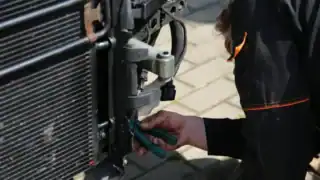
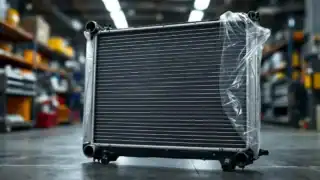
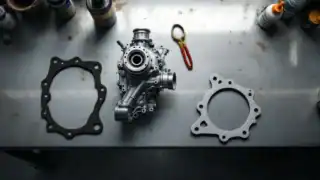
A flush isn’t just draining the radiator and pouring new coolant back in. We start by inspecting the entire cooling system: radiator condition, hoses for cracks or soft spots, the thermostat, water pump function, and the heater core. Japanese vehicles, particularly Toyotas and Hondas, are reliable, but their cooling systems can develop issues if coolant is allowed to degrade too far.
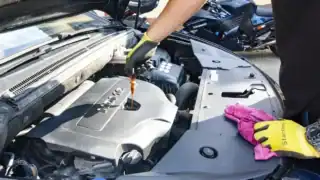
We then drain the old coolant completely, flush the radiator and engine passages with clean water to remove sediment and corrosion deposits, and refill with fresh OEM-specification coolant. For Japanese vehicles, this matters. A Toyota needs Toyota-spec coolant, a Honda needs Honda-spec, and so on. Using the wrong type can affect corrosion inhibition and heat transfer performance. We use quality equivalents matched to your vehicle’s requirements, not the cheapest generic stock.
The process includes checking coolant concentration (the mix of coolant to water, which affects freezing and boiling points), inspecting the radiator cap and thermostat function, and testing the system for leaks once fresh fluid is in. We also test the expansion tank cap to make sure it’s holding pressure correctly. A weak cap can cause overheating issues that feel like a coolant problem but aren’t.
What Affects Time and Cost for This Service
The actual flush on most Japanese vehicles takes a couple of hours, but a few variables can change that. If we find a leak, hose that’s cracked, or a thermostat that’s stuck, we’ll tell you upfront and discuss options. We don’t charge a surprise diagnosis fee and then hit you with parts work you weren’t expecting. You’ll know what needs doing and what it costs before we start.
The type of coolant your vehicle needs affects parts cost. Some Japanese vehicles use standard green coolant, others use long-life pink or blue coolant. OEM-spec fluids cost more than budget alternatives, but they’re engineered for your engine. We stock quality Penrite coolants that meet Japanese OEM specifications, so you get the right product without dealership pricing.
If your cooling system has been neglected for a long time, sediment buildup can be heavy. In those cases, the flush takes longer, and we might recommend a second flush after a few hundred kilometres to clear stubborn deposits. Again, we’ll explain why and get your approval before going ahead.
Why Choose ZP Automotive for Your Japanese Vehicle’s Cooling System Flush
We’re an independent workshop in Mitchell, owner-operated, and we’ve spent over a decade working on Japanese vehicles. We understand their cooling systems, the specific coolant types each brand requires, and the common failure points. When you come in, you deal directly with the mechanic doing the work, not a service adviser with a script. If something can wait, we tell you. If it needs attention now, we explain why and give you honest pricing.
We don’t use throwaway parts or no-name coolant. We stock Penrite and use quality aftermarket components that are fit-for-purpose. For Japanese vehicles, that means the service stands up. And if you’re running a logbook service schedule to protect your manufacturer warranty, we support that entirely. A cooling system flush from ZP Automotive keeps your warranty intact and your engine running within safe temperature limits.
We’ve also handled plenty of other jobs Japanese vehicle owners bring in: air conditioning servicing, engine diagnostics when warning lights show up, wrong-fuel recovery if fuel’s gone into the tank incorrectly, and ACT registration inspections if you’re after a roadworthy. That breadth of experience means we spot issues early and steer you towards the right priorities. Our 5.0 verified reviews speak to the standard of work and the way we treat our customers.
Book Your Cooling System Flush in Mitchell with ZP Automotive
If your coolant is looking dark or your temperature gauge is creeping higher than it should, don’t ignore it. Overheating can damage an engine quickly and leave you stranded. Call & Book Now to book your appointment, or Claim Your Free Inspection online. We’ll check your cooling system, run a coolant test, and tell you exactly what’s needed to keep your Japanese vehicle running cool and reliable.