Owner-Operated Workshop
Quality Parts & Oils
5.0★ Rating
Transparent Pricing

5.0 (Verified Reviews)

Certified Japanese Vehicles Radiator Flush In Mitchell

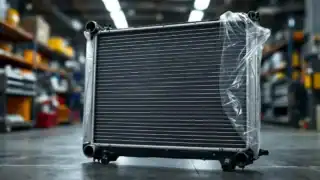
A radiator flush clears accumulated rust and debris from your Japanese vehicle's cooling system, keeping engine temperatures stable and preventing costly overheating damage.

Honest Advice

Quality Parts

5.0★ Rating

Japanese Cooling Expertise

Claim Your Free Check

Fill in the form and we'll get back to you promptly — no obligation.

Booking Form
  • Vehicle Details
  • Confirm Vehicle
  • Services
  • Contact Details
No Upsell Scripts
Quality Parts Used
Plain-English Advice

Why Book With Us

Claim Your Free Inspection
Drop Off Your Car
We Get to Work
Back on the Road

A radiator flush for Japanese vehicles is a cooling system maintenance procedure that removes old coolant, mineral buildup, and contamination from your engine’s radiator and passages. Over time, coolant breaks down and loses its ability to protect your engine from overheating and corrosion. For Japanese vehicle owners in Mitchell, a Japanese vehicles radiator flush every 3 to 5 years, or as recommended in your vehicle’s logbook, keeps your cooling system running efficiently and prevents costly damage down the line.

Signs Your Japanese Vehicle Needs a Radiator Flush

Several warning signs indicate that a radiator flush is overdue. The most obvious is a change in coolant colour. Fresh coolant is typically bright green, pink, or blue depending on the type; when it turns brown or rust-coloured, contamination has built up and the fluid is no longer protecting your engine effectively. You might also notice the temperature gauge creeping higher than normal, especially during heavy traffic or warm weather, or you may spot a faint sweet smell near the engine bay, which points to coolant leaking or degrading.

Some drivers experience a loss of coolant without visible leaks beneath the car. This often means the coolant is breaking down internally and evaporating, leaving sediment behind. If your heater blows warm air inconsistently or your engine fan runs constantly, the cooling system may be struggling to regulate temperature because of restricted flow caused by old coolant sludge. Don’t ignore these signs. A cooling system failure can leave you stranded and lead to engine damage that costs far more than a preventive flush.

What a Japanese Vehicles Radiator Flush Actually Involves

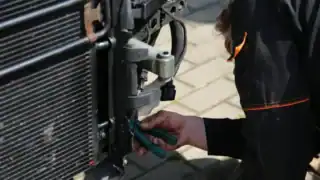
When you bring your Japanese vehicle to us in Mitchell, we begin by draining the old coolant from the radiator and engine block completely. We then flush the system with clean water and a flushing agent designed to break up mineral deposits and corrosion buildup inside the radiator cores and engine passages. This step is crucial for Japanese vehicles, especially models like Toyota, Honda, Nissan, and Mazda, which often use specific coolant formulations; we make sure to use the correct flush type for your vehicle to avoid incompatibility issues.

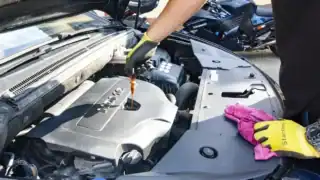
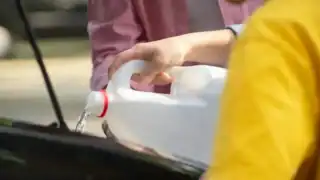
Once the system is thoroughly cleaned, we drain the flushing solution and refill the radiator with fresh OEM-specification coolant suited to your make and model. We inspect the radiator cap, hoses, and connections for signs of wear or leakage, and we check the condition of the water pump and thermostat while we have the system open. If any components show damage, we’ll discuss repair options with you before proceeding. We then run the engine to purge air from the system and confirm the temperature gauge reads normal across the full warm-up cycle.

Cost and Time: What to Expect

The time needed for a Japanese vehicles radiator flush typically ranges from 1 to 2 hours, depending on how heavily contaminated your cooling system is and whether any hoses or components need attention. If your vehicle has been running on degraded coolant for several years, the flush may take longer because stubborn deposits require extra soaking time to break down safely.

Cost is influenced by several factors. The type and volume of coolant your specific Japanese vehicle requires matters; some models use standard green coolant, whilst others require long-life pink or blue formulations that cost more but last longer. The condition of your radiator and related components also plays a role. If we discover a leaking hose or a weak water pump during inspection, that repair will add to the final bill. We always explain what we find and give you the choice of whether to repair it now or address it later. We use quality Penrite coolant products that meet Japanese OEM specifications, not cheap generic stock that will degrade quickly.

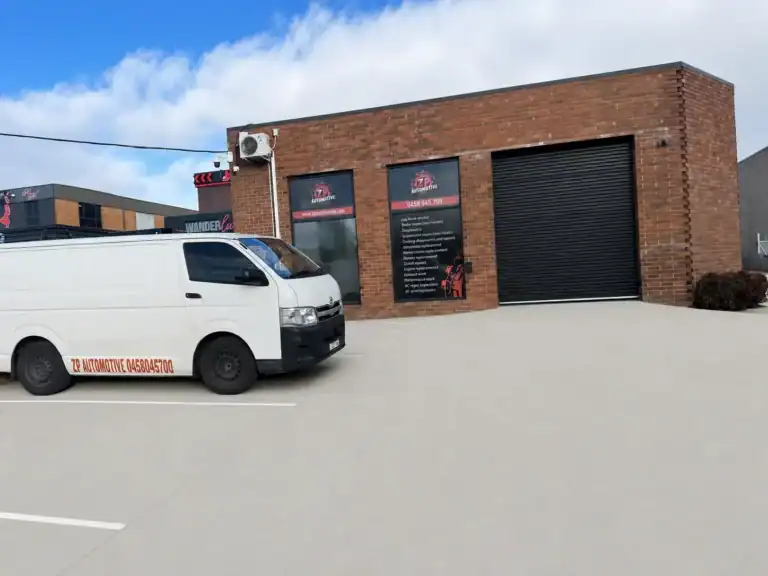
Why Choose ZP Automotive in Mitchell for Your Radiator Flush

You’re dealing directly with a mechanic who knows Japanese vehicles inside out, not a service advisor reading from a script. With over 10 years in the trade and an independent, owner-operated approach, we explain what’s actually happening in your cooling system, what it’ll cost, and what can wait. We don’t upsell unnecessary work, and our labour rates are fair and transparent, nowhere near dealership prices.

When you bring your Japanese vehicle to us, we inspect your entire cooling system as part of the flush, not just swap the fluid and move on. We keep your manufacturer warranty intact by using OEM-specification parts and following logbook servicing schedules. Whether your vehicle is a Toyota, Honda, Nissan, Mazda, Subaru, or Mitsubishi, we understand the specific cooling system design and maintenance intervals your vehicle requires. Our 5.0 verified reviews reflect our commitment to honest, plain-English advice and quality work.

Keep Your Japanese Vehicle Cool and Reliable

A Japanese vehicles radiator flush is one of the smartest preventive maintenance steps you can take to avoid overheating, corrosion, and engine damage. If you’ve noticed any of the warning signs above, or if your logbook is due for a cooling system service, we’re ready to help at our Mitchell workshop. Call & Book Now to speak with us directly, or Claim Your Free Inspection so we can check your coolant condition, assess your radiator and hoses, and let you know exactly what your vehicle needs.
Other Services

Whatever your needs we have you covered, see some similar services below or click "See All Services" to explore our full service offering.

Honest Mechanics, Fair Prices in Mitchell

Owner-operated and family-run, we give you straight answers, quality parts, and fair pricing without the dealership markup or the upsell scripts.

You Deal With the Mechanic

Talk directly to the owner — no service advisors, no middlemen, no upsell pressure.

Quality Parts, Honest Pricing

Bring your vehicle in and we’ll assess what’s needed before any work begins.

Japanese Radiator Flush Specialists

We service Japanese cooling systems with make-specific knowledge and proper tooling.

How Japanese Radiator Flush Works

A straightforward four-step process to flush your Japanese vehicle's cooling system and restore heat transfer efficiency.

Step 1

Claim Your Free Inspection

Claim your free inspection to assess your cooling system and discuss any overheating or temperature concerns.

Step 2

Cooling System Assessment

We test coolant condition, measure system pressure, inspect hose integrity, and verify temperature performance.

Step 3

Complete Radiator Flush

We drain old coolant, flush the system thoroughly, fit a new radiator cap, and refill with quality coolant.

Step 4

Quality Check & Collection

We verify system pressure and temperature stability, explain the work, and your vehicle is ready to collect.

What Our Customers Say

5.0 (Verified Reviews)

Quality Parts From Trusted Suppliers

We use quality oils and parts from reputable suppliers — including Penrite and Rico — because what goes into your car matters as much as the work itself.

Claim Your Free Check

Fill in the form and we'll get back to you promptly — no obligation.

Booking Form
  • Vehicle Details
  • Confirm Vehicle
  • Services
  • Contact Details
No Upsell Scripts
Quality Parts Used
Plain-English Advice

Why Book With Us

Claim Your Free Inspection
Drop Off Your Car
We Get to Work
Back on the Road

Got Questions? We Have Answers

Browse the common questions below. If yours isn't listed, give us a call and we'll give you a straight answer.

A radiator flush removes old coolant and deposits from your cooling system, then refills it with fresh coolant. Japanese vehicles rely on this maintenance to prevent corrosion inside the radiator, water pump, and engine passages. Over time, coolant degrades and loses its protective properties, which can lead to overheating, rust damage, and costly repairs. We recommend flushing your cooling system every two to three years or according to your vehicle’s logbook schedule.

A radiator flush typically takes one to two hours from start to finish. The time depends on your vehicle’s cooling system design and whether we encounter any stubborn blockages or corrosion during the process. We’ll give you a clearer timeframe once we’ve inspected your system. Most customers are able to collect their vehicle the same day.

Watch for a sweet smell coming from under the bonnet, visible coolant leaks beneath your parked car, discoloured or rusty-looking coolant in the overflow tank, or your temperature gauge creeping toward the hot side during normal driving. If your car is overheating or the heater is blowing cold air even after the engine warms up, your cooling system may be clogged or low. These are signs you should get it checked soon rather than wait for a scheduled service.

No. Australian consumer law under ACCC guidance generally allows you to have your vehicle serviced by a qualified independent mechanic without affecting your manufacturer warranty, provided the work meets Australian standards and you keep your logbook stamped. A radiator flush is routine maintenance, and we use quality coolants suitable for Japanese vehicles. We recommend checking your specific warranty documents, but independent servicing of this type is standard practice and won’t cause warranty issues.

Japanese vehicles typically require specific coolant types (often red or blue, depending on the model) that meet OEM specifications. We use quality aftermarket coolants that match your vehicle’s requirements rather than generic stock. Using the correct coolant type is important because the wrong coolant can damage seals and cause corrosion. We’ll confirm the right coolant for your vehicle before we start and ensure your logbook is stamped so you’re covered.

Most Japanese vehicle manufacturers recommend a coolant flush every 40,000 to 100,000 kilometres, or every two to three years, whichever comes first. Check your logbook for the exact schedule for your model. If you regularly tow, drive in heavy traffic, or live in a hot climate, you may benefit from flushing more frequently. We can advise based on your driving habits and your vehicle’s condition when you bring it in.

We drain the old coolant, flush the system with a cleaning solution to remove deposits and rust, and then refill it with fresh coolant matched to your Japanese vehicle’s specifications. We also inspect hoses, the water pump, and the radiator for damage while the system is open. The whole process is straightforward and non-invasive. We’ll check that everything is working properly before you leave and make sure your logbook is stamped.

Skipping a radiator flush allows coolant to break down and lose its rust-inhibiting properties. This leads to corrosion building up inside your cooling system, which restricts water flow and causes overheating. A damaged radiator or water pump can become very expensive to replace. In Mitchell and across Australia, hot summer driving puts extra stress on cooling systems, so staying on top of flushes helps avoid roadside breakdowns and engine damage that could cost thousands to repair.

Continue to site