Owner-Operated Workshop
Quality Parts & Oils
5.0★ Rating
Transparent Pricing

5.0 (Verified Reviews)

Top Rated Subaru Radiator Flush In Mitchell

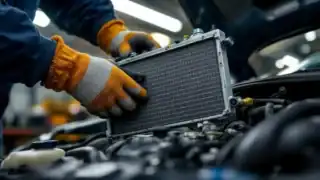
A radiator flush clears built-up sediment and old coolant from your Subaru's cooling system in Mitchell. We use quality fluids and explain what you need before we start.

Honest Advice

Quality Parts

5.0★ Rating

Subaru Radiator Expertise

Claim Your Free Check

Fill in the form and we'll get back to you promptly — no obligation.

Booking Form
  • Vehicle Details
  • Confirm Vehicle
  • Services
  • Contact Details
No Upsell Scripts
Quality Parts Used
Plain-English Advice

Why Book With Us

Claim Your Free Inspection
Drop Off Your Car
We Get to Work
Back on the Road

A Subaru radiator flush is one of those maintenance jobs that doesn’t grab headlines until something goes wrong. Your Subaru’s cooling system works hard to keep the engine at the right temperature, and over time the coolant breaks down, loses its protective properties, and picks up rust and sediment. A radiator flush replaces that tired fluid with fresh coolant and flushes out the buildup that can clog passages and reduce cooling efficiency. Here in Mitchell, where summer heat can push your engine hard, keeping your cooling system in top shape isn’t optional if you want to avoid an expensive breakdown.

Signs Your Subaru Needs a Radiator Flush

Your cooling system usually tells you when it’s struggling. The most obvious signal is a temperature gauge creeping toward the red, especially in stop-start traffic or when climbing a hill. You might notice the heater blowing less hot air in winter, or coolant that looks rusty, brown, or cloudy instead of its original bright colour. Some Subarus develop a sweet smell coming from under the bonnet, which points to coolant leaking or burning off. Overheating isn’t always dramatic; sometimes your engine just runs hotter than it used to, and the fans kick in more often.

Most Subaru owners follow the logbook service intervals, which typically recommend a coolant flush every few years or at specific mileage points. If you’re not sure when yours was last done, or if you’ve bought your Subaru used and don’t have full service history, it’s worth getting the system checked. Coolant degrades from the inside out, so you won’t always see a problem until the cooling system is under stress.

What Happens During a Subaru Radiator Flush

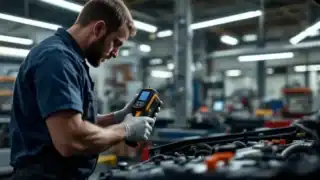
We start by inspecting your cooling system without any guesswork. We check the coolant colour, clarity, and smell. We test the antifreeze protection level to see if it’s still doing its job. Then we inspect the radiator, hoses, and water pump for leaks or damage. On Subaru models, we’re particularly careful to inspect the water pump and intake manifold gasket areas, as these are common wear points on certain model years.

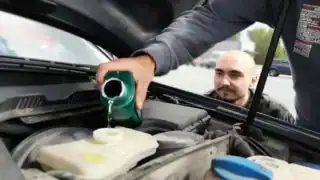
The actual flush involves draining the old coolant completely, flushing the system with clean water to remove rust and sediment buildup, and refilling with fresh Subaru-spec coolant. We don’t just dump and fill; we run the engine briefly to circulate the new coolant and check that the thermostat is opening properly. We also test the radiator cap and the pressurisation of the system, because a failed cap won’t maintain proper pressure and your coolant temperature will climb.

For Subaru vehicles, we use coolant that meets Subaru’s OEM specifications. Using the correct type matters; Subaru engines are engineered around specific coolant chemistry, and mixing types or using generic coolant can lead to corrosion inside the engine block. We’re not cutting corners with whatever’s cheapest on the shelf; we use quality fluids like Penrite, which are trusted by mechanics across Australia.

What Affects Cost and Turnaround Time

A radiator flush on most Subarus is straightforward, but a few variables can change how long it takes and what you’ll pay. If your radiator or hoses are leaking, we’ll identify that during inspection and discuss repair options with you before proceeding. Some Subaru models have more complex cooling system layouts, which takes a bit longer to flush thoroughly. Coolant capacity varies too; a larger cooling system takes more fresh fluid.

Parts availability is rarely an issue with standard Subaru coolant and caps, but if we find a faulty thermostat or water pump while flushing, we’ll explain what’s needed, what it costs, and whether it can wait or needs fixing now. We price fairly without dealership labour rates, and we give you the straight answer upfront. No surprises, no sales scripts.

Why We’re the Right Choice for Your Subaru in Mitchell

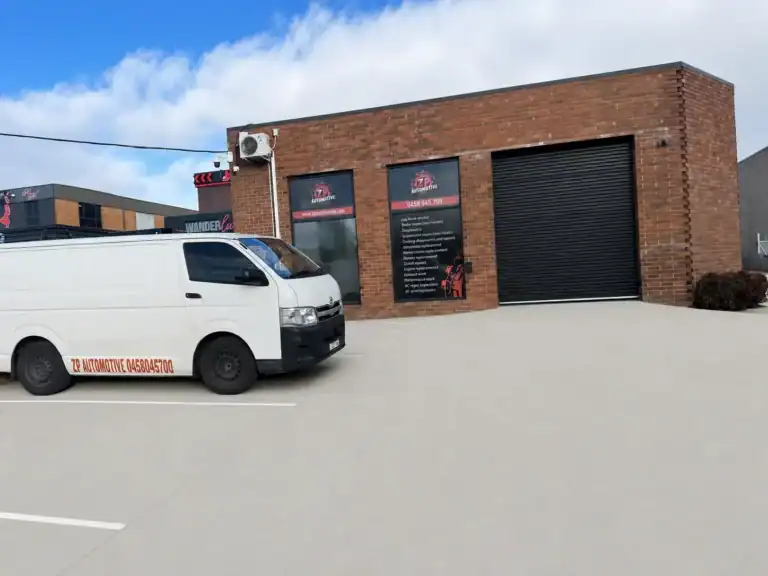
You’re dealing directly with a mechanic who’s spent over 10 years on the tools, not a service advisor reading from a script. We own and run ZP Automotive ourselves, and our reputation is built on honest advice and quality work. When we say your Subaru needs a radiator flush, we can show you exactly why, and we’ll explain what happens if you wait or what we’d do to fix it.

We keep your manufacturer warranty intact by using OEM-spec parts and following Subaru’s logbook servicing requirements. We use quality Penrite and genuine-equivalent fluids, not the cheapest no-name stock. And we work on Subarus regularly, so we know the common trouble spots on different model years and can spot problems before they become expensive.

Our workshop is built on transparency and fair pricing. You’ll know exactly what’s wrong, what it’ll cost, and what can wait. That’s how we’ve built trust with families and tradies across the region, and it’s how we work with every car that comes through ZP Automotive’s doors.

Book Your Subaru Radiator Flush with ZP Automotive

If your coolant is looking tired, your temperature gauge is creeping up, or you’re just due for your logbook service, we’re here to help. Call & Book Now or Claim Your Free Inspection online. We’ll check your cooling system properly and let you know what’s needed to keep your Subaru running cool and reliable.
Other Services

Whatever your needs we have you covered, see some similar services below or click "See All Services" to explore our full service offering.

Honest Mechanics, Fair Prices in Mitchell

Owner-operated and family-run, we give you straight answers, quality parts, and fair pricing without the dealership markup or the upsell scripts.

You Deal With the Mechanic

Talk directly to the owner — no service advisors, no middlemen, no upsell pressure.

Quality Parts, Honest Pricing

Bring your vehicle in and we’ll assess what’s needed before any work begins.

Subaru Cooling System Specialists

We know Subaru cooling systems inside out and source quality OEM-spec parts.

How Subaru Radiator Flush Works

Straightforward Subaru radiator flush service from booking through collection at ZP Automotive.

Step 1

Claim Your Free Inspection

Claim your free inspection to assess your Subaru's cooling system and determine if a radiator flush is needed.

Step 2

Cooling System Inspection

We inspect your Subaru's radiator, hoses, thermostat, and coolant condition using manufacturer procedures.

Step 3

Radiator Flush Service

We drain old coolant, flush the system thoroughly, and refill with quality Penrite coolant to Subaru spec.

Step 4

Quality Check and Collection

We test cooling system operation, verify temperature stability, and return your Subaru ready to drive.

What Our Customers Say

5.0 (Verified Reviews)

Quality Parts From Trusted Suppliers

We use quality oils and parts from reputable suppliers — including Penrite and Rico — because what goes into your car matters as much as the work itself.

Claim Your Free Check

Fill in the form and we'll get back to you promptly — no obligation.

Booking Form
  • Vehicle Details
  • Confirm Vehicle
  • Services
  • Contact Details
No Upsell Scripts
Quality Parts Used
Plain-English Advice

Why Book With Us

Claim Your Free Inspection
Drop Off Your Car
We Get to Work
Back on the Road

Got Questions? We Have Answers

Browse the common questions below. If yours isn't listed, give us a call and we'll give you a straight answer.

A radiator flush removes the old coolant from your Subaru’s cooling system and replaces it with fresh fluid. We drain the system completely, flush out debris and rust buildup, then refill with quality coolant matched to your Subaru’s specifications. The process takes a couple of hours and helps prevent corrosion, overheating, and costly engine damage down the track.

Most Subarus benefit from a coolant flush every 40,000 to 80,000 kilometres, depending on your model and the type of coolant in use. Check your owner’s handbook for the exact interval as it varies across different Subaru generations. Regular flushing keeps your cooling system working efficiently and extends the life of your engine and radiator.

Neglecting coolant maintenance can lead to overheating, which damages your engine quickly and expensively. Old coolant loses its ability to protect against rust and corrosion, which clogs passages and reduces cooling efficiency. A radiator flush is preventive work that costs far less than repairing an overheated engine. If you notice rising temperature gauges or sweet smells from the engine bay, get it checked soon.

No. Under Australian Consumer Law, ACCC guidance generally supports vehicle owners having servicing performed by qualified independent mechanics without affecting manufacturer warranties. This applies to logbook servicing and related maintenance work like coolant flushes. We can stamp your logbook and maintain your warranty coverage. That said, check your specific warranty paperwork or contact Subaru directly to confirm your individual circumstances.

Topping up replaces fluid you’ve lost, but it leaves old, degraded coolant in the system. A radiator flush removes all the old coolant, clears out rust and sediment buildup, and fills the system with fresh fluid. Over time, coolant breaks down and loses its protective properties. A proper flush is a thorough job that keeps your Subaru’s cooling system clean and functioning properly.

Yes, we can usually fit a radiator flush into our schedule fairly quickly. The work typically takes a couple of hours, so most customers can drop their car off and pick it up the same day. Contact us and we’ll let you know current availability and whether we can work around your schedule. We’ll make sure you understand what’s involved before we start.

Coolant degrades due to heat cycles, oxidation, and contact with metal engine components. As it circulates through your engine, the protective additives break down, making it less effective at preventing rust, corrosion, and overheating. Contamination from water or air can also compromise the fluid. This is why a regular flush is essential, not just a top-up.

Signs include rising temperature gauge readings, sweet or burnt smells from the engine, visible rust or discolouration in the coolant, or a milky appearance in the expansion tank. You might also notice reduced heating in winter or the fan running constantly. If you’re due for regular maintenance based on your service schedule, a flush is preventive and worthwhile even if you don’t see obvious problems.

We use quality coolant matched to your specific Subaru model’s requirements. Subaru engines have particular cooling system specifications, and using the correct coolant type protects your engine and maintains system integrity. We’ll confirm the right specification for your vehicle and discuss options when you book. Using the wrong coolant can cause corrosion and reduce protection, so this detail matters.

Cost varies depending on your Subaru model, the type of coolant required, and whether we find additional issues during inspection. Factors include system capacity, any flushing equipment needed, and labour time. We provide a clear quote before starting work so there are no surprises. Contact us for a specific estimate based on your vehicle.

Yes. Your coolant level might be fine, but internal rust, sediment, and mineral buildup can restrict flow and reduce cooling efficiency. This causes your engine to run hotter than normal and work harder. A blocked radiator can lead to overheating even though the fluid hasn’t leaked out. A flush clears these obstructions and restores proper cooling circulation.

For short trips, possibly, but it’s risky. Old coolant loses its protective properties and cooling capacity, so overheating risk increases, especially during hot weather or highway driving. Corrosion inside the system can spread, leading to leaks or engine damage. If your coolant is due for a flush based on your service schedule, it’s safer and cheaper to get it done before problems start.

Continue to site