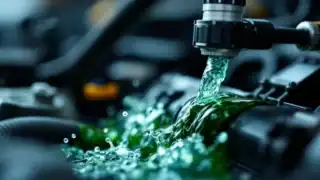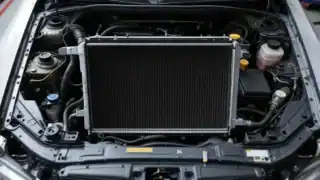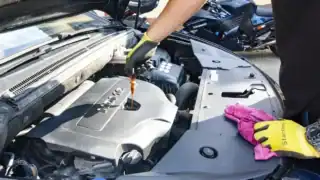
A Great Wall radiator flush is a cooling system service that removes old, degraded coolant and flushes out sediment and rust particles that accumulate inside the radiator and cooling passages over time. This matters because your Great Wall’s engine generates intense heat, and the coolant circulating through the system keeps temperatures in the safe zone. When coolant breaks down or becomes contaminated, it loses its ability to transfer heat effectively and can cause engine overheating, corrosion inside the block, and premature failure of the water pump or thermostat. Here in Mitchell, we see Great Wall owners running original coolant well beyond its service interval, only to face a costly repair down the track. A Great Wall radiator flush removes that risk and restores your cooling system’s ability to do its job.
Signs Your Great Wall Needs a Radiator Flush
Your Great Wall will often give you warning signs before cooling system trouble becomes serious. Watch for these symptoms:
- Engine running hotter than normal, even in mild weather
- Sweet smell coming from under the bonnet after driving
- Visible discolouration or cloudiness in the coolant (should be bright green, orange, or blue depending on your model)
- Rust-coloured deposits visible in the coolant reservoir
- Overheating warning light on the dashboard
- White, crusty buildup around the radiator hoses or filler cap
- Loss of coolant level without visible leaks
Great Wall cooling systems are designed to run at specific temperatures and pressures. If your coolant is dark, murky, or smells burnt, the protective additives have broken down and the system is at risk. Most Great Wall owners don’t need a flush until around 40,000 to 60,000 kilometres, but check your owner’s manual for your specific model’s interval. If your vehicle has been running the same coolant for several years, a flush is due regardless of distance.
What Happens During a Great Wall Radiator Flush in Mitchell
We don’t just drain and refill. A proper Great Wall engine radiator flush removes the buildup that weakens your cooling system.
First, we inspect the coolant condition and test the system pressure to make sure the radiator, hoses, and thermostat are functioning. If the coolant is already heavily contaminated or the system shows signs of internal corrosion, a flush becomes essential before fresh coolant is added.
We then use a flush system or manual procedure to circulate cleaning fluid through the radiator, engine block, heater core, and hoses. This breaks down rust, scale, and old coolant residue that regular draining leaves behind. For Great Wall models, we pay special attention to the water jackets around the cylinder head and block, where sediment tends to accumulate and restrict flow. Great Wall’s cooling architecture requires this methodical approach to avoid leaving pockets of contamination that can cause future blockages.
Once the system runs clean, we drain out the flushing fluid completely and refill with fresh coolant that meets Great Wall’s OEM specification. We check the concentration (usually 50/50 mix of coolant and distilled water), pressure test the system again to confirm no leaks, and make sure the thermostat opens and closes properly at the correct temperature.
The whole job takes a couple of hours depending on how heavily contaminated the system is. If we find issues like a leaking water pump or failed thermostat during the flush, we’ll explain what’s needed and what it’ll cost before we proceed.
Cost and Time Factors for Radiator Flush Service
A Great Wall radiator flush costs less than dealing with an overheated engine or a seized water pump. A few things affect the price and time needed:
- How contaminated the coolant is (heavily sludged systems need extra flush cycles)
- Whether the radiator or hoses have internal blockages that need clearing
- Great Wall model and engine size (larger engines hold more coolant, take slightly longer)
- Type of flush fluid and coolant used (OEM-spec quality fluids cost more than cheap aftermarket alternatives, but protect your engine better)
- Whether the thermostat or water pump needs replacement (discovered during inspection)
We use quality Penrite coolants and flushes that are compatible with Great Wall cooling systems and won’t leave residue behind. Cheap flushing compounds can sometimes react badly with old coolant sludge or damage seals, so we stick with products we trust. Turnaround is usually same-day or next-day depending on our schedule, but if we discover a faulty thermostat or pump, we’ll chat with you about parts availability before we start work.
Why Choose ZP Automotive for Your Great Wall Radiator Flush
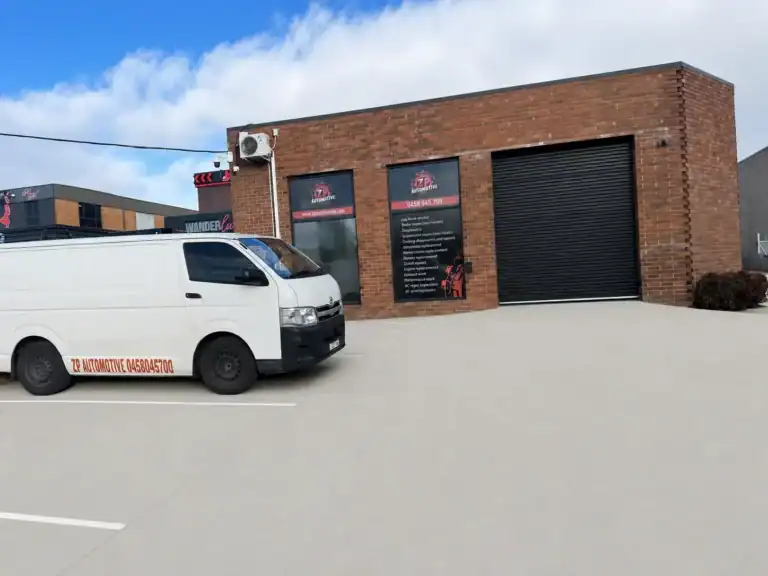
We’re an independent, owner-operated workshop in Mitchell with over 10 years’ experience on the tools. You deal directly with the mechanic doing the work, not a service adviser pushing an upsell script. When we inspect your Great Wall’s cooling system, we explain what we find in plain language, what it’ll cost, and what can wait.
We keep your manufacturer warranty intact by using OEM-equivalent coolants and following Great Wall’s service schedule. Our pricing is transparent and fair, without dealership labour rates. We’re equipped to handle logbook servicing, engine diagnostics, and ACT rego inspections, so whether your Great Wall is new or has higher kilometres, we’ve got the knowledge to do the job right.
Next Step: Book Your Radiator Flush with ZP Automotive
If your Great Wall is due for a coolant flush or you’ve noticed any of the warning signs above, book your free inspection with us in Mitchell. Call & Book Now to discuss your cooling system or claim your free inspection online, and we’ll make sure your engine stays cool and reliable.