Owner-Operated Workshop
Quality Parts & Oils
5.0★ Rating
Transparent Pricing

5.0 (Verified Reviews)

Reliable Volvo Radiator Flush In Mitchell

A radiator flush removes built-up sediment and old coolant to keep your Volvo's engine running at the right temperature. We'll inspect the system, replace the fluid with quality Penrite coolant, and get you back on the road.

Honest Advice

Quality Parts

5.0★ Rating

Volvo Cooling Experts

Claim Your Free Check

Fill in the form and we'll get back to you promptly — no obligation.

Booking Form
  • Vehicle Details
  • Confirm Vehicle
  • Services
  • Contact Details
No Upsell Scripts
Quality Parts Used
Plain-English Advice

Why Book With Us

Claim Your Free Inspection
Drop Off Your Car
We Get to Work
Back on the Road

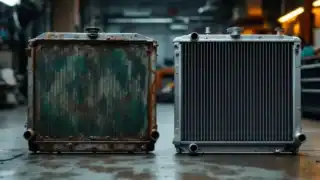
A Volvo radiator flush is one of those services that keeps your cooling system working properly and your engine running at the right temperature. Over time, the coolant in your Volvo breaks down, loses its anti-corrosion properties, and collects sediment and rust particles that circulate through the radiator, heater core, and engine passages. A radiator flush removes the old fluid entirely and replaces it with fresh coolant that meets Volvo’s specifications. If you’ve been running the same coolant for years without a flush, or you’ve noticed your temperature gauge creeping higher than normal, a radiator flush in Mitchell can prevent overheating, corrosion damage, and costly engine repairs.

When Does Your Volvo Need a Radiator Flush?

Volvo’s service schedule typically recommends a coolant flush every 5 years or 100,000 km, whichever comes first. However, the exact interval depends on your model year and whether your Volvo uses the newer long-life coolant or an older, shorter-life formula. The best way to know is to check your vehicle’s service manual, but several warning signs suggest a flush is overdue.

Watch for these symptoms:

  • Temperature gauge running higher than usual, even in normal driving conditions
  • Sweet-smelling coolant odour inside the cabin or near the engine bay
  • Visible rust staining or crusty deposits around the radiator cap or hose connections
  • Coolant that looks brown, orange, or cloudy instead of its original colour
  • Overheating warnings on the dashboard, particularly when idling in traffic
  • Repeated low coolant level warnings despite no obvious leaks

Volvo engines are sensitive to coolant condition. If the coolant has degraded, the protective additives that prevent rust and corrosion stop working. This leads to internal scale buildup, reduced heat transfer, and potential water pump seal failure. Catching this early with a flush is far cheaper than repairing a corroded engine block or replacing a failed cooling system component.

What Happens During a Volvo Radiator Flush

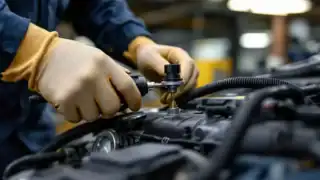
A radiator flush isn’t just draining old fluid and pouring in new coolant. We do it properly. First, we inspect the entire cooling system, checking hose condition, looking for leaks, and testing coolant strength with a refractometer to confirm it’s actually lost its protection. Many people assume their coolant is fine until we measure it and find it’s degraded.

Once we’ve diagnosed the coolant condition, we use a closed-loop flush system that connects to your Volvo’s cooling circuit. This allows us to push fresh water and flushing solution through the radiator, engine block, heater core, and thermostat housing, dislodging sediment and old corrosion particles that wouldn’t come out with simple draining. The old fluid is captured and disposed of responsibly.

After the flush cycle is complete, we refill the system with OEM-spec Volvo coolant. Volvo uses different coolant formulations depending on the model and year, and using the wrong type can affect heat transfer and corrosion protection. We make sure you get the right fluid for your specific vehicle. Once the radiator is full, we bleed the system to remove any air pockets, then run the engine to operating temperature to confirm the thermostat opens correctly and the cooling fans operate as they should.

The whole process takes a couple of hours, depending on whether your Volvo has a complicated heater setup or if sediment has built up significantly inside the radiator.

What Affects Cost and Turnaround for a Volvo Radiator Flush

Several factors influence how much a radiator flush costs and how long it takes. The size of your Volvo’s cooling system matters. A C30 or S40 requires less coolant than an XC90, so the volume of new fluid needed varies. If your radiator is heavily scaled or blocked, we might need to reverse-flush or use additional cleaning cycles, which extends the job time.

Part availability also plays a role. If your Volvo needs new hoses, a thermostat, or a water pump while we’re in the cooling system, those components might need to be ordered. We’ll always check and discuss this with you before starting extra work. Aftermarket hoses and thermostats are cheaper but may not last as long as OEM-equivalent parts; we’re transparent about the difference and let you decide what suits your situation and budget.

Volvo’s engineering also means some cooling systems are accessed more easily than others. Older Volvos and some later models have straightforward drain points and refill procedures, while others require removing trim panels or components to reach the bleed valves properly. This doesn’t change the quality of the flush, but it does affect labour time.

Why Choose ZP Automotive in Mitchell for Your Volvo Cooling System Service

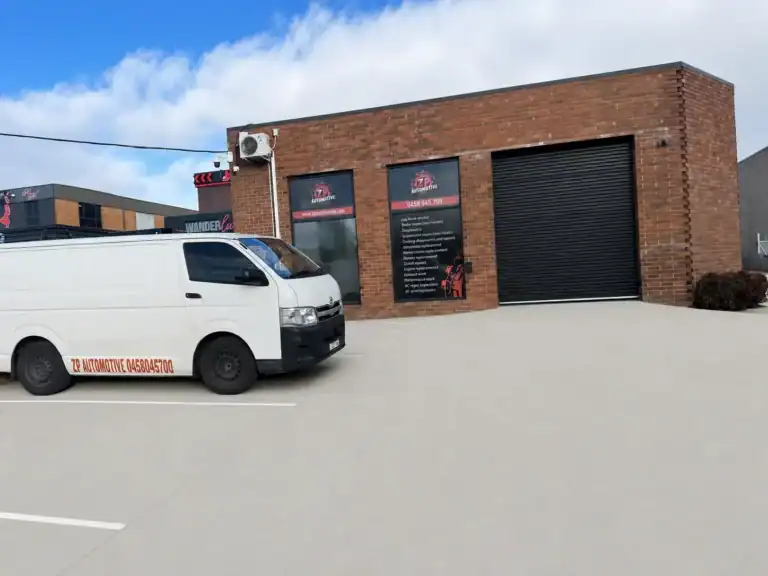
We’re an independent workshop with 10+ years in the trade. That means we work on Volvos regularly and understand the quirks of their cooling systems. We don’t follow a dealership labour rate book, and we don’t try to sell you parts you don’t need. When we inspect your Volvo’s coolant and recommend a flush, it’s because we’ve measured it and found it’s degraded, not because we’re hitting a service interval checklist.

You deal directly with the mechanic doing the work. There’s no service advisor upselling extras or steering you toward the most expensive option. We explain what’s wrong, what it’ll cost, and what can wait. If your hoses look fine, we won’t replace them just because they’re 10 years old. If your coolant is still good, we’ll tell you to skip the flush this time.

We use quality Volvo-spec coolant and parts from trusted brands. We won’t cut corners with cheap no-name fluid that doesn’t meet Volvo’s specifications. Your Volvo’s cooling system will run properly and last longer when the right products go in. We’re owner-operated and family-run, which means every job reflects our reputation. We keep logbook servicing records to protect your manufacturer warranty, and our 5.0 verified reviews speak to the standard of work we deliver day in, day out.

Book Your Free Inspection in Mitchell

If your Volvo is due for a coolant flush or you’ve noticed temperature gauge creep, book a free inspection with us. We’ll test your coolant, inspect your hoses, and let you know exactly what your cooling system needs. Claim Your Free Inspection to get started, or Call & Book Now to speak with us directly about your Volvo radiator flush.

Other Services

Whatever your needs we have you covered, see some similar services below or click "See All Services" to explore our full service offering.

Honest Mechanics, Fair Prices in Mitchell

Owner-operated and family-run, we give you straight answers, quality parts, and fair pricing without the dealership markup or the upsell scripts.

You Deal With the Mechanic

Talk directly to the owner — no service advisors, no middlemen, no upsell pressure.

Quality Parts, Honest Pricing

Bring your vehicle in and we’ll assess what’s needed before any work begins.

Volvo-Specific Service Knowledge

We service Volvo cooling systems with brand-specific expertise and proper parts sourcing.

How Volvo Radiator Flush Works

A straightforward process to flush your Volvo's cooling system and restore proper heat management.

Step 1

Claim Your Free Inspection

Claim your free inspection to assess your Volvo's cooling system and radiator condition.

Step 2

Cooling System Diagnosis

We pressure test your Volvo radiator, hoses, and coolant to identify buildup or degradation.

Step 3

Radiator Flush Service

We flush the system with quality coolant, clear blockages, and refill with Volvo-compatible fluid.

Step 4

Final Check & Collection

We verify coolant flow and temperature, then hand your Volvo back running cool and reliable.

What Our Customers Say

5.0 (Verified Reviews)

Quality Parts From Trusted Suppliers

We use quality oils and parts from reputable suppliers — including Penrite and Rico — because what goes into your car matters as much as the work itself.

Claim Your Free Check

Fill in the form and we'll get back to you promptly — no obligation.

Booking Form
  • Vehicle Details
  • Confirm Vehicle
  • Services
  • Contact Details
No Upsell Scripts
Quality Parts Used
Plain-English Advice

Why Book With Us

Claim Your Free Inspection
Drop Off Your Car
We Get to Work
Back on the Road

Got Questions? We Have Answers

Browse the common questions below. If yours isn't listed, give us a call and we'll give you a straight answer.

A radiator flush removes old coolant and buildup from your cooling system, then refills it with fresh coolant. Over time, coolant breaks down and loses its ability to protect against rust, corrosion, and overheating. Volvo engines run hot, and degraded coolant can cause blockages in the radiator and heater core, leading to poor temperature control and potential engine damage. Fresh coolant keeps everything flowing smoothly and your engine at the right temperature.

Volvo recommends a radiator flush every 5 years or 100,000 kilometres, whichever comes first. Some Volvo models with long-life coolant can go longer, but we’ll check your specific service schedule and condition of your coolant to advise you properly. Regular flushing prevents expensive repairs down the line. If you’re unsure when yours was last done, we can inspect the coolant colour and condition to tell you if it needs refreshing.

Old coolant loses its corrosion inhibitors and can turn acidic, eating away at radiator internals, gaskets, and water pump seals. You’ll eventually face overheating, coolant leaks, and a very expensive engine repair bill. Ignored cooling system issues can lead to sudden breakdowns, especially in Australian summer. A flush is a cheap preventive job compared to replacing a radiator, heater core, or dealing with a seized engine from overheating.

No. Under ACCC guidance and Australian consumer law, having a qualified independent mechanic service your Volvo, including a radiator flush, does not void your manufacturer warranty. The warranty covers manufacturing defects and mechanical failure, not where you choose to service. We use quality coolant and proper procedure, so your warranty stays intact. If you have concerns about a specific warranty claim, check your paperwork or ask us before you book.

A radiator flush typically takes 1 to 2 hours depending on your Volvo model and how accessible the system is. We drain the old coolant, flush the radiator and heater core with clean water, refill with fresh coolant, and bleed any air from the system. On the day, we’ll let you know exactly where we’re at so you’re not left guessing. Most of the time we can get you sorted same-day without drama.

We use quality OEM-equivalent coolant that meets Volvo specifications rather than cheap aftermarket stock. Volvo cooling systems are engineered to work with specific coolant formulations, and using the wrong type can cause corrosion and compatibility issues. We source coolant from reliable suppliers that match Volvo requirements. It costs a bit more than no-name brands, but it protects your engine properly and keeps your warranty solid.

Watch for coolant that’s turned brown or murky instead of bright green or orange, a sweet smell from the engine bay, overheating warnings on your dash, or visible leaks under your car. If your cabin heater is blowing cold even when the engine is warm, that’s often a sign of coolant blockage or degradation. Any of these mean it’s time to get it inspected. Bring it in if you notice anything odd with your temperature gauge or cooling fans running constantly.

You can do a basic drain and refill at home if you’re experienced, but a proper flush requires special equipment to flush the entire system clean and remove all old coolant. Volvo cooling systems also need the air bled correctly, or you’ll end up with hot spots and overheating. If you make a mistake, you risk mixing incompatible coolants or trapping air bubbles that damage the system. It’s worth having us do it properly and worry-free, especially for Volvo’s more complex systems.

No, they’re different jobs. Topping up just adds fresh coolant to what’s already in your system, but it doesn’t remove the old, degraded coolant underneath. A flush drains out all the old coolant and contaminants, then refills with new fluid. Topping up buys you time if you have a small leak, but if your coolant is old, topping up won’t restore its protective properties. A proper flush is the right fix if your system is due.

We drain the entire cooling system, flush the radiator and heater core with clean water to remove rust and debris, inspect hoses and connections for leaks or cracks, refill with quality coolant to manufacturer specification, bleed air from the system, and check that your temperature gauge reads correctly. We’ll also run the engine and look for any leaks. You’ll get a full rundown of what we found and what needs attention, if anything.

ZP Automotive is an independent workshop in Mitchell and regularly services Volvo cooling systems. We understand Volvo’s specific coolant requirements and system design, and we keep your warranty intact with proper procedure and quality parts. We’ll give you honest advice on whether you need a full flush now or can wait, and we won’t upsell you. Call & Book Now to claim your free inspection or chat through your cooling concerns.

Volvo typically uses green or orange coolant depending on the model year and engine type. The colour itself isn’t the issue; what matters is the coolant formula and its condition. Mixing different coolants can cause chemical reactions and sludge buildup, so always use the correct type for your model. We’ll identify your Volvo’s correct coolant and make sure we’re putting in the right stuff. If you’re uncertain which colour you should have, we’ll sort that out during your service.

Continue to site