A Holden radiator flush is one of those maintenance tasks that keeps your engine running at the right temperature and your cooling system free from rust, sediment, and degraded coolant. Over time, the coolant in your Holden breaks down and loses its protective properties, leaving behind deposits that reduce cooling efficiency and can lead to overheating, corrosion inside the radiator, and eventual engine damage. Whether you’re driving a Commodore, Captiva, Astra, or any other Holden model around Mitchell, a radiator flush every 40,000 to 60,000 kilometres or every two years is standard maintenance that protects one of your engine’s most critical systems.
Signs Your Holden Needs a Radiator Flush
Your cooling system often gives clear warning signs before real trouble starts. If you’ve noticed your temperature gauge creeping higher than usual, or the engine running hot during normal city driving or on warmer days, that’s a signal the coolant may be losing effectiveness. Some owners see a slight sweet smell from the engine bay or notice discoloured coolant when they check the overflow bottle—if it’s murky brown or rusty instead of bright green, orange, or pink, it’s time for a flush.
Holden vehicles are also prone to coolant oxidation in the older radiators, particularly in Commodores and Captivas that have covered significant kilometres. White crusty deposits inside the radiator cap, or a visible buildup of sludge when you peer into the coolant reservoir, are clear indicators that your cooling system is accumulating debris. Leaving this unaddressed forces your engine to work harder to shed heat, which raises fuel consumption and stresses the water pump and thermostat.
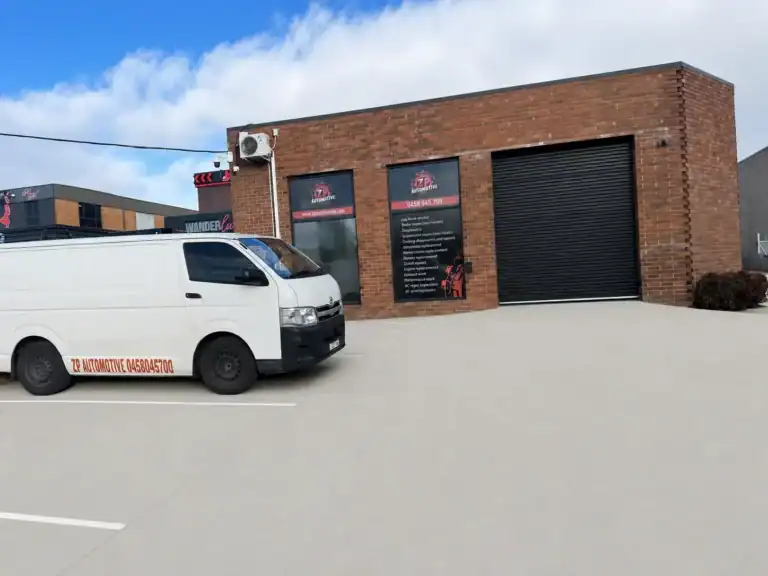
What Happens During a Holden Radiator Flush at Our Mitchell Workshop
When you bring your Holden in for a radiator flush, we start by checking the condition of the current coolant and inspecting the radiator for any obvious leaks or external damage. We’ll run a quick diagnostic on your temperature readings to make sure the thermostat and water pump are functioning correctly before we flush—there’s no point putting fresh coolant through a faulty system.
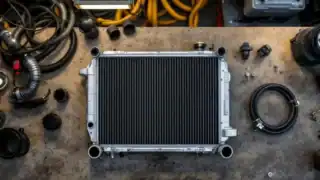
The flush itself involves draining the old coolant completely, then flushing the entire system with a cleaning solution designed to break down rust, scale, and sediment buildup inside the radiator, heater core, and engine passages. For Holden engines, we use a flush compatible with Holden’s OEM specifications to avoid any corrosion or incompatibility issues. Once the system is clean, we refill with quality Penrite coolant that matches your vehicle’s requirements—not the cheapest supermarket brand, but a proven fluid that protects against corrosion and boiling, especially important in Australian summer heat.
We also inspect your hoses and clamps while we’re in there. Radiator hoses degrade over time, and a split hose can empty your cooling system in minutes. If we spot a weak hose, we’ll let you know the cost and timeline to replace it, but we won’t pressure you into work that can wait.
What Affects the Cost and Time for Your Service
A straightforward radiator flush typically takes 45 minutes to an hour, but the actual time depends on how clogged the system is and whether your Holden has any hose or clamp work needed. If the cooling system is heavily scaled, the flush solution needs longer to work through all the passages, and we may need to run it multiple times to ensure the system comes clean.
Parts availability and fluid choice also play a role. Penrite coolant is readily available and reliable, but if your Holden requires a specific OEM-spec coolant variant, we’ll source the right product rather than settling for a generic alternative. Hose replacements, if needed, depend on the hose type and your vehicle’s model—a Captiva’s heater hose layout differs from a Commodore’s, so labour and parts costs vary.
We price transparently and explain the cost breakdown before we start. You won’t see inflated labour rates like you’d encounter at a dealership service department, and there are no hidden upsells. If your radiator flush reveals a more serious issue—say, early signs of internal corrosion or a failing thermostat—we’ll tell you exactly what it is, what it costs to fix, and whether it needs attention now or can be monitored.
Why Local Mitchell Owners Choose ZP Automotive for Holden Cooling System Work
We’re an owner-operated workshop with over 10 years of hands-on experience in the trade. That means you deal directly with the mechanic doing your work, not a service adviser reading from a script. We’ve seen Holden cooling systems in all states of neglect and repair, and we know what works and what doesn’t.
We use quality parts and fluids—Penrite and Rico—because they last and protect your engine properly. Your Holden’s logbook servicing stays intact with us, which means your manufacturer warranty remains protected. That matters if you’re still under factory cover or planning to sell the vehicle later.
We’re honest about what needs doing and what can wait. If your radiator flush reveals no other problems, we won’t invent reasons to charge you more. That straightforward approach, combined with fair pricing and real expertise, is why Mitchell and the surrounding region owners come back to us again and again. We also handle wrong-fuel recovery, vehicle lockouts, engine diagnostics, air conditioning servicing, logbook servicing, and ACT rego inspections if you need them.
Book Your Holden Radiator Flush with ZP Automotive
If your temperature gauge is climbing, your coolant looks dark, or you’re simply due for a flush based on your Holden’s service schedule, we’re here to help. Call & Book Now or Claim Your Free Inspection online, and we’ll get you in quickly. We’ll explain exactly what we find and what needs to happen next.