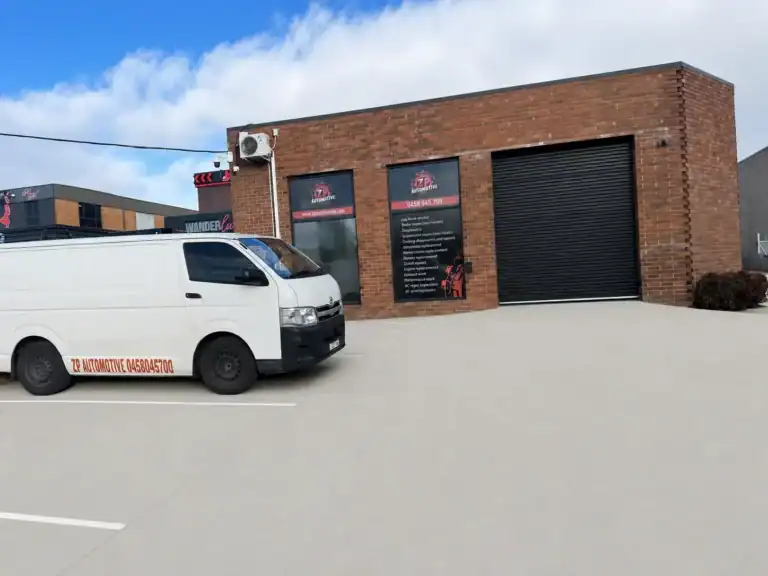
A radiator is the heart of your Holden’s cooling system. It draws heat away from the engine and dissipates it into the air, keeping your engine running at the right temperature. When a radiator starts to fail, your engine temperature rises, your cooling fans work harder, and your whole vehicle is at risk of overheating. Holden radiator repair involves diagnosing whether the radiator itself is leaking, blocked, or damaged, then deciding whether repair or replacement is the right call for your car. At ZP Automotive in Mitchell, we see radiator faults regularly across the Holden range, from Commodores to Captivas, and we know exactly how to get your cooling system back under control.
What Are the Signs Your Holden Radiator Needs Repair?
Most Holden owners notice a radiator problem because the temperature gauge creeps into the red zone, or the dashboard warning light comes on. The first sign is often coolant pooling under the car after you’ve parked it. A puddle of bright green or orange liquid (depending on your Holden’s model year and coolant type) is a clear signal that you have a leak.
Other common symptoms include a sweet smell coming from under the bonnet, visible rust or discolouration on the radiator fins, or steam coming from the engine bay when stationary. Some owners notice that the air conditioning stops blowing cold, because the condenser (which sits in front of the radiator) can’t do its job when the radiator is compromised. If you’re seeing any of these warning signs, don’t ignore them. A leaking coolant system will leave you stranded, and a completely blocked radiator can cause catastrophic engine damage within minutes.
- Coolant pooling underneath the vehicle
- Temperature gauge climbing toward the red zone
- Overheating warning light on the dashboard
- Sweet smell from the engine bay
- Visible rust, leaks, or damage to the radiator core
- Air conditioning not cooling properly
- Steam from under the bonnet when parked
How We Diagnose and Repair Your Holden Radiator in Mitchell
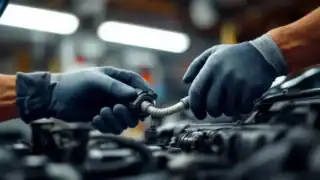
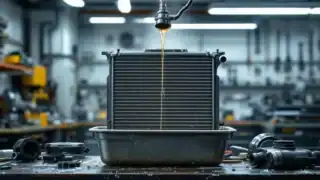
When you bring your Holden in for radiator inspection, we start by checking the coolant level and colour. Old, degraded coolant often looks rusty or murky, which tells us the radiator internals may be corroded. We then run a pressure test on the cooling system to pinpoint exactly where any leak is happening. Many small leaks can’t be seen with the naked eye, but a pressure test forces coolant to escape, revealing the fault in seconds.
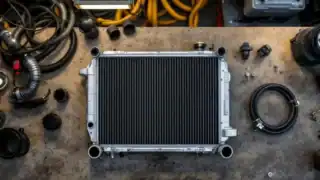
Next, we inspect the radiator fins (the thin metal blades that release heat) for blockages, corrosion, or impact damage. Holden radiators are commonly blocked by years of accumulated sediment inside the core, which restricts coolant flow and causes the engine to run hot. If the blockage is mild, we can sometimes flush the system to clear it. If the radiator is cracked or the core is severely corroded, repair isn’t viable, and we’ll recommend replacement with a quality OEM-equivalent radiator that matches your Holden’s specifications.
We also check the radiator hoses, thermostat, and water pump while we’re in the cooling system, because failures in these parts often show up at the same time. A single failing component can mask a bigger cooling issue, and we want to make sure you’re not coming back a month later with another overheating problem. Holden’s cooling system design means the radiator works closely with these other components, so we inspect the whole picture rather than just the radiator in isolation.
What Affects the Cost and Time for Holden Radiator Repair
The cost of radiator repair depends on a few things. A small leak in the radiator tank might be sealed with an epoxy repair, which is cheaper and faster than replacing the whole unit. A cracked core or internal corrosion almost always requires full replacement. The radiator part itself is reasonably priced for most Holden models, but labour depends on how easy the radiator is to access in your specific model. Some Holdens sit the radiator front and centre; others are tucked deeper in the engine bay.
Whether you choose a genuine Holden OEM radiator or a quality aftermarket equivalent also affects cost. We use quality parts that will last, not the cheapest no-name stock. Parts availability is usually not a problem for common Holden models, but if you’re driving an older model, we may need to source the part. A straightforward radiator replacement typically takes a few hours, but blockage or corrosion issues sometimes take longer to diagnose fully.
Why Choose ZP Automotive for Your Holden Cooling System
We’re an independent workshop in Mitchell, owner-operated and family-run. Brendan has over 10 years in the trade and knows Holden cooling systems inside out. You deal directly with the mechanic doing the work, not a service advisor with an upsell script. We explain what’s wrong, what it’ll cost, and what can wait. No dealership labour rates, no surprises.
When you need your Holden radiator repaired, we use quality oils and parts from brands like Penrite and Rico. We’re thorough with diagnostics because getting the cooling system right is non-negotiable. Whether it’s a radiator leak, a flush, or a full replacement, we make sure your Holden runs cool and reliable. And if you’re following your logbook servicing with us, a radiator repair keeps your manufacturer warranty intact. We also offer air conditioning servicing, engine diagnostics, and logbook servicing to keep your Holden in peak condition.
Get Your Holden Radiator Inspected Today
If your temperature gauge is climbing or you’ve spotted coolant under your car, don’t wait. An overheating engine can fail in minutes. Call & Book Now or Claim Your Free Inspection to have your Holden’s cooling system checked properly. We’ll be straight with you about what needs fixing and what the repair will cost.