A failing radiator can turn a reliable Mazda into a roadside emergency. Whether your engine is running hot on the Mitchell commute or you’ve spotted coolant pooling under the car, a Mazda radiator repair addresses one of the most critical components in your vehicle’s cooling system. The radiator’s job is straightforward but vital: it pulls heat from the coolant circulating through your engine and releases it into the air. When a radiator leaks, clogs, or develops internal corrosion, your engine temperature climbs fast, risking serious damage or complete failure.
Signs Your Mazda Radiator Needs Repair
Cooling system problems don’t always announce themselves loudly. Some warning signs are obvious; others creep up gradually. Learning to spot them early means catching radiator issues before they strand you or cost thousands in engine repairs.
- Engine temperature gauge climbing higher than normal, especially in traffic or after short runs
- Visible coolant leaks under the car, typically bright green, orange, or pink fluid
- Sweet smell coming from under the bonnet (coolant has a distinctive odour)
- Steam rising from the engine bay or bonnet after driving
- Low coolant level that drops again within days of topping up
- Discoloured coolant in the overflow bottle (rust-brown or milky appearance)
- Soft or mushy radiator hose when the engine is cool (indicates internal corrosion or blockage)
- Overheating warning light on the dashboard
Mazda models, particularly older Mazda3 and Mazda6 vehicles, can develop radiator leaks from internal corrosion where the radiator tubes join the plastic tanks. This is a known pattern we see regularly in workshop diagnostics. Some Mazdas also suffer from blocked radiators where mineral deposits accumulate inside the core, restricting coolant flow even if there’s no obvious leak. Either way, ignoring these signs risks catastrophic engine overheating.
What a Mazda Radiator Repair Involves
Diagnosing a cooling system fault starts with understanding what’s actually wrong. We don’t assume the radiator is the culprit just because the engine runs hot. A thorough inspection reveals whether the issue is the radiator itself, the water pump, thermostat, fan operation, or something else entirely.
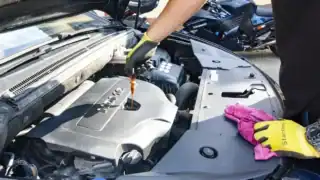
Our diagnostic process includes checking your coolant level and condition, running the engine and observing temperature behaviour, pressurising the cooling system to pinpoint leaks, inspecting hoses and connections for cracks or loose clamps, testing the radiator fan operation (many overheating complaints are actually electrical fan faults), and flushing the system if internal corrosion is suspected. For Mazda vehicles specifically, we check the radiator-to-tank joint areas where leaks commonly occur, and we verify that your expansion tank is holding pressure correctly.
Once we’ve confirmed the radiator is the problem, repair depends on the damage. Small external leaks can sometimes be sealed, but most radiator leaks require replacement. We fit quality radiators that match your Mazda’s OEM specifications, ensuring proper fit and cooling capacity. We also flush the cooling system when fitting a new radiator to remove any debris or contamination that could damage the new unit or water pump.
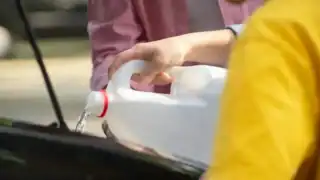
Coolant type matters too. Mazda vehicles require specific coolant grades depending on the model year and engine. Using the wrong coolant accelerates internal corrosion and defeats the purpose of repair. We use the correct coolant specification for your vehicle, protecting your new radiator and the rest of the cooling system long-term.
Cost and Repair Time: What to Expect
A Mazda radiator repair cost depends on several factors. The radiator itself ranges from an affordable repair on older Mazda2 models to a higher investment on larger models like the Mazda6 or CX-5. Whether you choose an OEM radiator (genuine Mazda parts) or a quality aftermarket equivalent affects the total. We always offer both options and explain the difference so you can decide what’s right for your budget and vehicle’s age.
Labour time typically runs between two and four hours for a radiator replacement, depending on engine bay layout and how the radiator is mounted. Some Mazdas require removal of bumper sections or other components to access the radiator cleanly. Parts availability can also affect scheduling. If your radiator needs ordering, we’ll let you know upfront rather than guessing.
If the repair is simply topping up coolant or tightening a loose hose clamp, you’ll be out the door quickly. But if internal blockage is the issue, a cooling system flush adds time. We won’t rush these jobs or cut corners to hit a clock. Proper cooling system work protects your engine.
Why ZP Automotive for Your Mazda Radiator Repair in Mitchell
Cooling system repairs aren’t complicated, but they demand attention to detail and proper diagnostics to avoid unnecessary parts replacement. You deal directly with the mechanic doing the work here, which means you get honest advice without service desk upsell scripts. We explain what’s wrong, what it’ll cost, and what can wait.
We’ve worked on plenty of Mazda cooling systems and understand the common failure points across the range. We use quality parts and fluids, not the cheapest no-name stock that fails again in a season. Our fair, transparent pricing competes on value, not on being the cheapest around. Logbook servicing for your Mazda also keeps your manufacturer warranty intact, which means you’re not sacrificing protection to get honest independent service.
Owner-operated and family-run, we take pride in getting it right the first time. A failed radiator repair that leaks again weeks later wastes your time and money. That’s not how we work.
Next Steps
If your Mazda is running hot or you’ve spotted coolant leaks, call and book now or claim your free inspection to get a clear diagnosis. We’ll check your radiator and cooling system properly, explain what you’re looking at, and give you a fair quote before any work starts. Mitchell-based, honest advice, no pressure.