A Porsche radiator repair often becomes necessary when your cooling system starts to fail, and catching it early can mean the difference between a quick fix and an expensive engine rebuild. Porsche engines run hot and demand precision cooling to maintain their performance and longevity. If you’re driving a Porsche in Mitchell and notice signs of overheating, coolant leaks, or rising temperature gauges, a radiator inspection should be your next move. We’ve worked on everything from water-cooled 911s to Boxster and Cayman models, and we understand how these systems behave under Australian conditions.
How to Spot a Failing Porsche Radiator
Porsche cooling systems are engineered to tight tolerances, so small leaks or performance drops show up quickly. Watch for these warning signs:
- Coolant pooling under the car, especially after driving or parking overnight
- Rising temperature gauge on the dash, particularly during heavy traffic or warm weather
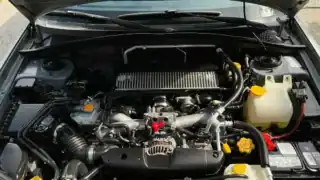
- Sweet-smelling vapour from the engine bay (that’s coolant burning off hot surfaces)
- Discoloured or milky coolant in the overflow tank (sign of internal corrosion or leaks)
- Poor cabin heating in winter, which often indicates low coolant levels
- Whitish or greenish staining around radiator seams or hose connections
Don’t ignore these signs. Porsche engines are sensitive to overheating, and pushing a car with a failing radiator can cause head gasket failure or worse. If you spot any of these symptoms, bring it in for a proper diagnosis before the problem cascades.
What We Check During a Porsche Radiator Inspection
Every Porsche radiator repair starts with a thorough inspection, not assumptions. Here’s what we do:
Visual and pressure testing: We examine the radiator core for leaks, corrosion, and blockages. A pressure test tells us whether the system holds coolant under load—a Porsche rad that fails this test needs replacing. We also check hose connections, clamps, and the thermostat housing for signs of weeping or previous repairs.
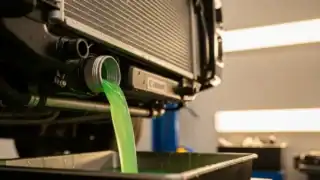
Coolant system flushing: Porsche engines require specific coolant types to prevent internal corrosion. Old or contaminated coolant reduces cooling efficiency and can cause sediment buildup inside the radiator. If we’re replacing the radiator, we’ll flush the entire system to remove debris and old fluid before installing new parts.
Thermostat and fan operation: A bad thermostat can mimic radiator failure by trapping heat or not opening properly. We test the electric cooling fans—Porsche models often use temperature-dependent fan stages—to confirm they’re engaging at the right points. If the fans aren’t cycling, the radiator may never get the cooling airflow it needs.
OEM specification check: Porsche radiators vary by model and year. A 2015 911 Carrera has different cooling demands than a Boxster or Cayman. We confirm the replacement matches your specific Porsche’s engineering specs to ensure proper fitment and performance.
Porsche Radiator Repair and Replacement Timelines
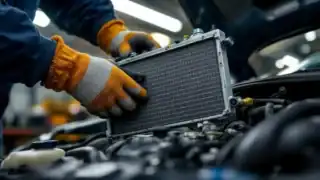
The time it takes depends on what we find. A simple leak repair at a hose joint might be a same-day job. A full radiator replacement takes longer because we need to drain the system, remove plastic panels and fans, unbolt the old radiator, install the new one, refill with the correct coolant type, and run the system through its heat cycles to bleed air.
Parts availability can affect your timeline. We source genuine Porsche radiators or high-quality OEM-equivalent parts that meet Porsche engineering standards. Unlike dealerships, we don’t stock every variant on hand, but we source quickly and don’t pad your labour with unnecessary waits.
Cost depends on whether it’s a simple repair or a full replacement, the model year of your Porsche, and current parts availability. We’ll diagnose the issue first, explain what needs to happen, and give you honest pricing before we start work. No surprises, no upsell scripts—just what your car actually needs.
Why Independent Porsche Radiator Service in Mitchell Makes Sense
Dealerships charge premium labour rates for cooling system work, and they often replace parts as a set without diagnosing the root cause. We take a different approach. Brendan has over 10 years working on Porsche cooling systems and other German sports cars, and he knows how these engines respond to heat stress. We use quality coolants and parts that meet or exceed OEM specifications—not cut-rate stock that fails six months later.
You deal directly with the mechanic doing the work. There’s no service advisor scripting an upsell or recommending parts you don’t need. We explain what’s wrong with your radiator, what it’ll cost to fix it, and what can wait. If it’s a Porsche you care about, that level of honesty and transparency matters.
We’re independent and family-run, which means we compete on value and quality, not on being a franchise with dealership pricing. Your Porsche is a precision machine, and it deserves proper diagnosis and repair—not a quick turn and bill.
What Happens After Your Porsche Radiator Repair
Once the repair or replacement is complete, we run the engine through its normal operating temperature range to confirm the system holds pressure, the fans cycle correctly, and the temperature gauge reads steady. You’ll get a clear explanation of what was wrong, what we fixed, and any advice on what to monitor going forward. If we’ve replaced the radiator, the cooling system will perform like new—assuming no other components are failing.
Ready to get your Porsche’s cooling system sorted? Call & Book Now or Claim Your Free Inspection online. We’ll diagnose the issue properly and give you honest pricing before any work starts. Whether your radiator needs a patch, a flush, or a full replacement, we’ll get your Porsche running cool and reliable again in Mitchell.