Volkswagen radiator repair is one of those jobs that often creeps up on owners without much warning. Your VW’s cooling system works hard to keep the engine running at the right temperature, and the radiator is the centre of that operation. When it starts to fail, the consequences go beyond just a puddle in the driveway. A failing radiator can lead to overheating, which damages the engine and leaves you stranded. If you’ve noticed coolant leaks, a rising temperature gauge, or sweet-smelling coolant pooling beneath your car, it’s time to bring your Volkswagen in for a proper inspection at our Mitchell workshop.
Common Signs Your Volkswagen Radiator Needs Repair
Volkswagen cooling systems are generally well-engineered, but radiators don’t last forever. Age, corrosion, and the demands of Australian driving all take their toll. Watch for these warning signs that your radiator may need attention:
- Sweet-smelling coolant leaks under the car or visible drips in your driveway
- Rising temperature gauge, especially in traffic or when climbing
- Loss of coolant between services with no obvious leak visible
- Overheating warning lights on the dashboard
- Discoloured or cloudy coolant when you check the expansion tank
- Hissing or bubbling sounds from the engine bay
- A damaged or bent radiator core visible through the front grille
Many VW owners assume a small leak isn’t urgent. It is. Coolant does more than cool the engine; it protects against corrosion and keeps seals flexible. Running low or losing coolant gradually means your cooling system becomes less effective, and overheating can happen suddenly with no second chances.
How We Diagnose and Repair Volkswagen Radiator Issues in Mitchell
Volkswagen radiator repair starts with proper diagnosis. We don’t just top up coolant and hope for the best. Every radiator job at ZP Automotive begins with a thorough inspection of the cooling system.
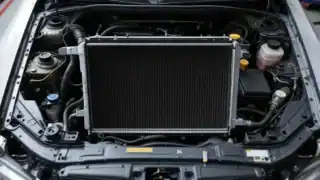
First, we identify where the coolant is actually going. Some leaks are obvious; others are tiny seeps that only show up under pressure. We check the radiator itself for cracks, corrosion, or damage to the fins. For Volkswagen models, we also inspect the radiator hose connections and clips, which are common failure points on VWs. We test coolant condition and concentration, because old or incorrect coolant loses its protective properties and accelerates corrosion from the inside out.
If the radiator is leaking, we discuss repair options honestly. Small external leaks can sometimes be sealed, but a cracked or corroded radiator core usually needs replacement. For Volkswagen vehicles, we use radiators that match OEM specifications for your particular model and year. This ensures proper fit, water flow capacity, and compatibility with your engine’s cooling requirements. We also flush the entire system if the old radiator has been leaking internally; flushing prevents contamination and corrosion in the new radiator.
Coolant type matters for Volkswagens. Older VWs may require G11 or G12 coolant; newer models often need G13. We use the correct specification for your vehicle, not a one-size-fits-all approach. Using the wrong coolant can damage seals and cause blockages. Once the radiator is installed, we refill with the right coolant, bleed air from the system, and run a test to confirm the engine sits at the proper operating temperature.
What Affects the Cost and Timeframe for Volkswagen Radiator Repair
Several factors influence how much a Volkswagen radiator repair costs and how long it takes. The size and model of your VW matters; a Golf radiator is straightforward, while a Touareg or Passat may require more labour to access. The severity of the problem also plays a role: a small external leak that can be sealed is quicker and less expensive than a full radiator replacement with system flush.
Parts availability can affect timing. For common Volkswagen models, radiators are usually in stock or available quickly. For older or less common models, we may need to source parts, which we communicate upfront. We use quality radiators and components, not bargain-basement parts that fail again in two years. Penrite coolant and other recognised brands protect your cooling system long-term.
Labour time depends on how accessible your radiator is and whether the engine is still warm (which means we wait and let it cool safely first). A straightforward radiator replacement typically takes a few hours; a system flush and refill adds time but protects your investment.
Why Choose ZP Automotive for Your Volkswagen Radiator Repair in Mitchell
We’re an independent workshop run by Brendan with over 10 years in the trade. We understand Volkswagen cooling systems inside and out, and we’ve seen every common radiator failure pattern. We don’t upsell unnecessary work or use cheap parts to inflate margins. We explain exactly what’s wrong, what it’ll cost, and what can wait. You deal directly with the mechanic doing the job, not a service advisor pushing add-ons.
Our approach to Volkswagen radiator repair is the same as our approach to every service: quality work, honest advice, fair price. We use Penrite coolant and quality radiators that meet your VW’s specifications. We stand by our repairs and make sure your cooling system is sorted before you drive away. Your logbook servicing with us also keeps your manufacturer warranty intact, which matters if you need future cooling system work.
Next Steps
If your Volkswagen is showing signs of overheating or coolant loss, don’t put it off. A failing radiator can cause serious engine damage if it goes unaddressed. Call and book now or claim your free inspection online so we can diagnose the issue and explain your options. We’ll get your VW running cool and reliable again.