A Mitsubishi radiator repair keeps your cooling system working as it should, preventing overheating and protecting your engine from serious damage. When your radiator fails or leaks, your Mitsubishi loses its ability to dissipate heat, which can lead to engine seizure or warping if left unchecked. We see Mitsubishi cooling issues regularly at our Mitchell workshop, and they’re usually straightforward to diagnose and fix when caught early. This guide explains what radiator problems look like, what happens during a repair, and why addressing them quickly matters for your car’s longevity.
Warning Signs Your Mitsubishi Radiator Needs Attention
Your car will give you clear signals before a radiator fails completely. The most obvious sign is a coolant leak under the vehicle, usually a bright green or orange fluid pooling beneath the engine bay. You might notice this in your driveway or at the servo. A temperature gauge climbing higher than normal, especially in traffic or uphill driving, indicates the radiator isn’t cooling effectively. Some drivers notice a sweet smell from the engine bay (that’s coolant), or a hissing sound when the engine is running.
Mitsubishi models often show cooling issues through a combination of these symptoms. The cooling fans may run constantly, or you might see steam rising from under the bonnet. In winter or cooler months, the heater inside the cabin may blow cold air even after the engine has warmed up, which signals a blockage or low coolant level. Don’t ignore these signs. Driving on an overheating engine damages cylinders, gaskets, and can turn a $500 repair into a $3,000 engine rebuild.
How We Diagnose and Repair Mitsubishi Radiator Problems
Our process starts with a full cooling system inspection. We check radiator condition, coolant level, and cap integrity, then listen for leaks and feel hose firmness. For Mitsubishi vehicles, we follow the manufacturer’s cooling system specifications closely, because Mitsubishi radiators are engineered to work with specific coolant types and flow rates. We test the thermostat function and verify that the electric cooling fans are cycling correctly at proper temperatures.
If the radiator is leaking or blocked, we’ll explain what we find in plain terms. Small leaks from hose connections can sometimes be resolved by tightening fittings or replacing clamps. Larger leaks or internal corrosion usually require radiator replacement. We’ll discuss whether a genuine Mitsubishi radiator or a quality equivalent suits your vehicle and budget. Both options restore full cooling capacity when installed correctly.
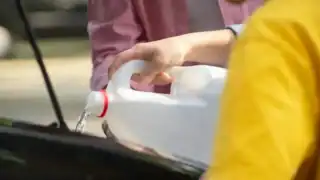
Once we’ve identified the fault, the repair itself is straightforward. We drain the old coolant (important: this is disposed of safely, not down the drain), remove the failed radiator, clean the mounting area, and install the replacement. We refill with the correct Mitsubishi-spec coolant, bleed air from the system, and run the engine to verify the fans are working and the temperature gauge settles in the normal range. A quick test drive confirms everything is functioning.
What Affects the Cost and Time for Your Mitsubishi Radiator Repair
Several factors influence how long a radiator repair takes and what it costs. The first is whether we’re repairing or replacing. A simple hose replacement or clamp tightening takes an hour or two. A full radiator replacement typically takes half a day, depending on how accessible the radiator is in your Mitsubishi model. Some engines have tight packaging that requires removing other components first.
Parts choice matters too. A genuine Mitsubishi radiator carries a higher upfront cost but guarantees OEM fit and thermal performance. A quality equivalent radiator (properly engineered for Mitsubishi specifications) costs less and performs reliably. We stock quality parts and won’t fit cheap no-name radiators that may fail again in two years. Coolant type also counts. Mitsubishi vehicles require specific coolant formulations to prevent internal corrosion and protect gaskets. We use the correct specification for your model.
Availability can add time if we need to order a part, but we’ll tell you upfront what to expect. We work with reliable suppliers in the Canberra region and can often turn around repairs within a day or two. If your Mitsubishi is overheating now, we prioritise getting you back on the road safely rather than dragging out the job.
Why Choose ZP Automotive for Your Mitsubishi Radiator Repair in Mitchell
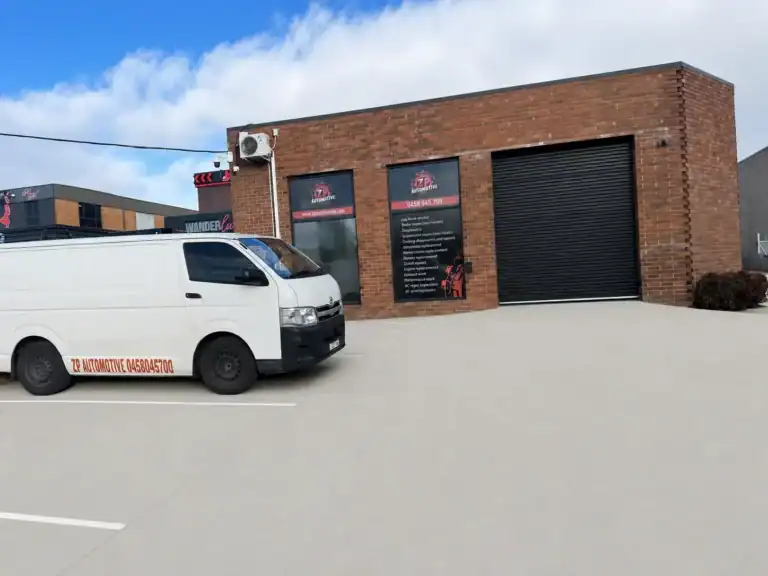
We’re an independent, owner-operated workshop in Mitchell run by someone with 10+ years in the trade. You deal directly with the mechanic doing your work, not a service advisor reading from a script. That means honest advice about what your radiator actually needs and transparent pricing that doesn’t match dealership labour rates. We explain what’s wrong, what it’ll cost, and what can wait.
We use quality parts and fluids from brands like Penrite, not the cheapest no-name stock. Your Mitsubishi radiator repair includes the right coolant for your model and a full system test before you leave. If you’re running logbook servicing, we keep your manufacturer warranty intact by following Mitsubishi service schedules and using approved parts. We also handle ACT rego inspections and engine diagnostics if you need them, so you’ve got one trusted workshop for your car’s ongoing care.
Get Your Mitsubishi Radiator Repaired in Mitchell
If your Mitsubishi is showing signs of cooling trouble, don’t wait for it to overheat. Claim Your Free Inspection to get a clear diagnosis and honest repair plan, or Call & Book Now to speak with us directly. We’ll get you back on the road with a cooling system that works properly.