Owner-Operated Workshop
Quality Parts & Oils
5.0★ Rating
Transparent Pricing

5.0 (Verified Reviews)

Industry Leading Great Wall Radiator Repair In Mitchell

Your Great Wall's radiator keeps the engine cool under Australian heat. We diagnose overheating, fix leaks, and test everything before you drive.

Honest Advice

Quality Parts

5.0★ Rating

Great Wall Cooling Specialist

Claim Your Free Check

Fill in the form and we'll get back to you promptly — no obligation.

Booking Form
  • Vehicle Details
  • Confirm Vehicle
  • Services
  • Contact Details
No Upsell Scripts
Quality Parts Used
Plain-English Advice

Why Book With Us

Claim Your Free Inspection
Drop Off Your Car
We Get to Work
Back on the Road

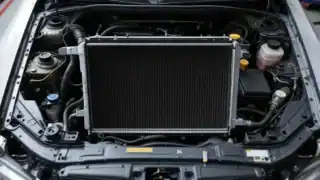
A radiator that’s not working properly can turn a routine drive into a breakdown waiting to happen. Great Wall Radiator Repair at ZP Automotive in Mitchell keeps your vehicle’s cooling system running safely and reliably. Whether you’re dealing with a slow leak, overheating, or a complete radiator failure, diagnosing and fixing the problem early prevents engine damage and keeps your car on the road.

Common Signs Your Great Wall Radiator Needs Repair

The cooling system in any Great Wall vehicle works under pressure and temperature stress every time you drive. Unlike sudden mechanical failures, radiator problems often announce themselves with warning signs you can catch early.

  • Coolant leaks under the vehicle, especially after sitting overnight or following a drive
  • Engine temperature gauge climbing higher than normal, particularly in traffic or on hills
  • White or green fluid pooling underneath the engine bay
  • Hissing or steaming from under the bonnet when the engine is warm
  • Discoloured or rusty coolant visible in the overflow tank
  • Repeated low coolant warnings on the dash

Great Wall radiators, like those in many Asian compact vehicles, are built to handle Australian conditions, but age, corrosion, and driving habits catch up with them. Aluminium cores are lightweight and efficient, but they’re also vulnerable to internal corrosion if coolant isn’t maintained or if the radiator has been subjected to repeated temperature cycling.

How We Diagnose and Repair Great Wall Radiator Problems

Radiator repair isn’t always a straightforward replace-and-go job. We start by understanding what’s actually happening inside your cooling system, not just assuming the worst.

Initial inspection: We visually check the radiator core, tanks, and hose connections for cracks, corrosion, or obvious leaks. We also look at the condition of your coolant. If it’s thick, discoloured, or has sediment, that tells us the radiator may have internal rust or the system hasn’t been flushed recently.

Pressure testing: This is where we find leaks that aren’t visible to the eye. We use a pressure tester to pressurise the cooling system and watch where fluid escapes. This tells us whether the leak is in the radiator itself, the tank seams, or a hose connection. For Great Wall models, we pay particular attention to the lower tank seams, which can develop micro-cracks over time.

Thermal imaging: In some cases, we can check coolant flow through the radiator using temperature readings. A blocked or partially failed radiator core won’t transfer heat properly, and one side of the radiator may stay significantly cooler than the other.

What happens next depends on what we find: A small pinhole leak in an otherwise sound radiator might be repairable with a quality radiator sealant product. A cracked tank, major corrosion, or internal blockage usually means radiator replacement. We’ll give you an honest assessment of what can be fixed versus what needs replacing.

If replacement is needed, we source radiators that meet or exceed Great Wall’s original specifications. We’ll discuss whether to use an OEM-equivalent part or an aftermarket radiator that gives you the same cooling performance at better value. Either way, the radiator is tested before installation and the entire system is flushed and refilled with the correct coolant specification for your Great Wall model.

What Affects Cost and Timeline for Great Wall Radiator Repair

Several factors influence both the cost and time needed to get your vehicle back in service. Understanding these helps you plan for the work ahead.

Severity of the problem: A small leak that can be sealed in place takes a couple of hours. A full radiator replacement, including hose disconnection, flushing, and system refill, typically takes 3 to 4 hours depending on your vehicle’s engine layout.

Parts availability: Great Wall parts availability in Australia has improved significantly, but some models may require a longer lead time. We’ll tell you upfront if we’re waiting on stock rather than leaving you guessing.

Secondary work: If the radiator has failed because of a thermostat stuck closed or a water pump that’s failed, those repairs compound the job. We’ll flag any additional issues we spot during diagnosis so you can decide what to address now versus later.

Coolant specification: Great Wall vehicles use specific coolant types. Usually either a pink or red long-life coolant or a green traditional coolant depending on the model year. Using the wrong type can lead to corrosion inside the new radiator, so we make sure we use the right specification.

Why ZP Automotive Is Your Best Choice for Radiator Repair in Mitchell

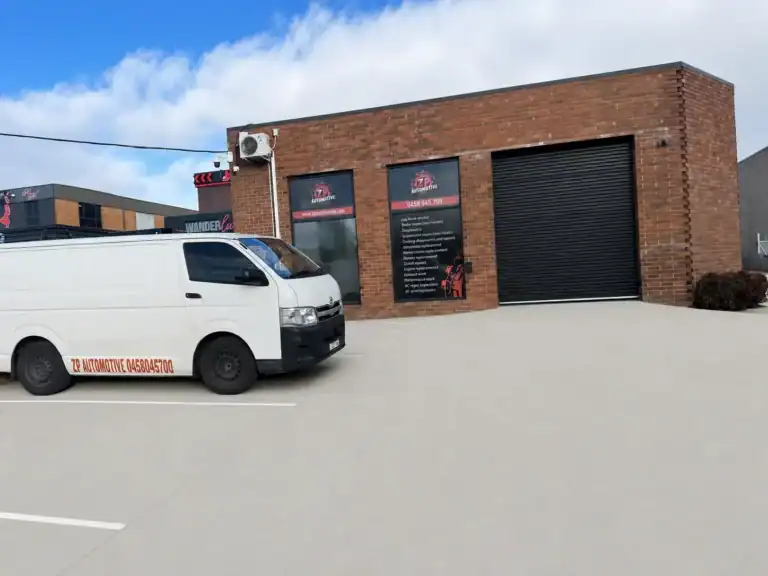
We’re an independent workshop, not a dealership. That means you deal directly with the mechanic who diagnoses and fixes your car. No service advisor, no upselling, no dealership labour rates. Brendan has been in the trade for over 10 years, and he explains what’s wrong, what it’ll cost, and what can wait.

We use quality parts and fluids. Penrite coolants and genuine-equivalent radiators, not the cheapest no-name stock that fails in two years. Your Great Wall’s cooling system deserves parts that match what it was designed for, and we back that choice with transparent pricing.

We’re also equipped to handle engine diagnostics if we suspect the radiator failure was caused by something else in the cooling circuit. If your Great Wall overheated because the thermostat is stuck or the water pump is failing, we’ll catch that during repair rather than sending you back in six months with another problem.

Our workshop is family-run and owner-operated. We service Great Wall vehicles regularly and understand the specific maintenance needs of this manufacturer. We keep up with Great Wall’s logbook servicing schedules and use only OEM-spec coolants to protect your warranty.

Don’t Let a Failing Radiator Damage Your Engine

If you’re seeing coolant leaks, temperature gauge creep, or steam from the bonnet, don’t ignore it. Driving an overheating vehicle risks serious engine damage. Claim Your Free Inspection online or Call and Book Now to have your cooling system checked by someone who’ll give you straight advice. We’re based in Mitchell and ready to get your Great Wall back to reliable running.
Other Services

Whatever your needs we have you covered, see some similar services below or click "See All Services" to explore our full service offering.

Honest Mechanics, Fair Prices in Mitchell

Owner-operated and family-run, we give you straight answers, quality parts, and fair pricing without the dealership markup or the upsell scripts.

You Deal With the Mechanic

Talk directly to the owner — no service advisors, no middlemen, no upsell pressure.

Quality Parts, Honest Pricing

Bring your vehicle in and we’ll assess what’s needed before any work begins.

OEM-Spec Parts Sourcing

We source the right Great Wall cooling parts first time, keeping your warranty intact.

How Great Wall Radiator Repair Works

From diagnosis to completion, we walk you through each stage of your Great Wall radiator repair.

Step 1

Claim Your Free Inspection

Call & Book Now to have your radiator assessed and learn what repairs your Great Wall needs.

Step 2

Radiator Diagnostic Check

We pressure test your radiator, check coolant condition, and inspect hoses to identify the fault.

Step 3

Radiator Repair or Replacement

We repair leaks, flush coolant, replace hoses, or fit a quality replacement radiator as required.

Step 4

Completion and Collection

Final coolant top-up and system test confirm your radiator works properly before collection.

What Our Customers Say

5.0 (Verified Reviews)

Quality Parts From Trusted Suppliers

We use quality oils and parts from reputable suppliers — including Penrite and Rico — because what goes into your car matters as much as the work itself.

Claim Your Free Check

Fill in the form and we'll get back to you promptly — no obligation.

Booking Form
  • Vehicle Details
  • Confirm Vehicle
  • Services
  • Contact Details
No Upsell Scripts
Quality Parts Used
Plain-English Advice

Why Book With Us

Claim Your Free Inspection
Drop Off Your Car
We Get to Work
Back on the Road

Got Questions? We Have Answers

Browse the common questions below. If yours isn't listed, give us a call and we'll give you a straight answer.

Great Wall radiators can develop leaks from corrosion inside the core, failed seals at the tank joints, or physical damage from road debris. Over time, coolant degrades and becomes more acidic, which eats through the radiator’s internal passages. Thermal stress from repeated heating and cooling cycles can also weaken joints and cause small cracks. We inspect the radiator, coolant condition, and pressure test the system to pinpoint the exact cause before recommending a repair or replacement.

Most radiator work takes between 1 and 3 hours, depending on whether we’re flushing the system, repairing a small leak, or replacing the radiator entirely. Removal and refitting takes time because the radiator sits behind other components. We’ll give you a realistic timeframe once we’ve had a proper look, so you know what to expect for the day. Some repairs can happen same-day, but we won’t rush quality work.

Watch for coolant pooling under the car, steam rising from the engine bay, a sweet smell around the engine, or the temperature gauge creeping into the red zone. The warning light on your dashboard is a clear signal too. Don’t ignore these signs because a failing radiator can cause the engine to overheat, which leads to serious and expensive damage. If you notice any of these, bring it in so we can diagnose what’s happening before it becomes a major problem.

No. Australian consumer law and ACCC guidance generally support independent servicing maintaining your manufacturer warranty, provided the work is done to a professional standard. This is general information, not legal advice, so we recommend checking your specific warranty terms to be certain. What matters is that the work itself is done properly and documented. We keep clear service records and use quality parts, so your coverage stays intact while you avoid dealership labour rates.

A flush clears out old coolant, sediment, and corrosion buildup from inside the system. It’s preventive maintenance that keeps the radiator working longer and your engine cooler. A replacement is needed when the radiator itself is physically damaged, leaking, or too corroded to repair. We’ll assess whether a flush buys you more time or if replacement is the only safe option. Either way, we use quality coolant and ensure the system is properly bled of air before you leave.

Most manufacturers recommend a coolant flush every 40,000 to 100,000 kilometres or as stated in your service schedule. Great Wall vehicles typically follow standard intervals, though we’ll check your specific logbook to be sure. Regular flushes prevent corrosion and keep cooling efficiency high, which extends radiator life. If you’ve had the car serviced at other places, we can review the history and recommend the next interval based on your vehicle’s age and mileage.

Small leaks from tank seams can sometimes be sealed without full replacement, but this depends on the damage location and severity. If the core itself is leaking, repair isn’t reliable and replacement is the safer choice. We’ll give you an honest assessment once we’ve inspected it. In Mitchell, we stock quality radiators and can often fit a replacement the same day or within a day or two, keeping you on the road without long delays.

Great Wall vehicles typically use either green or red long-life coolant depending on the model and year. Using the wrong type can cause chemical reactions and poor cooling performance. We check your vehicle’s specifications and fill with the correct coolant during any radiator work. We stock quality brands that meet manufacturer standards, and we’ll document everything in your service record so you know exactly what’s in your system for future reference.

Your engine will overheat because coolant escapes faster than it circulates. Overheating causes cylinder head warping, blown gaskets, and complete engine failure, which costs thousands to repair. You might not have much warning before the engine seizes. If you see coolant underneath or the temperature gauge climbing, stop driving and have it towed rather than pushing on. Early radiator repair is always cheaper than an engine rebuild.

Yes. We stamp logbooks for all scheduled maintenance and repairs, keeping your service history complete and warranty protection intact. This matters if you sell the car or need to claim warranty later. We use a clear, standard format so future mechanics and dealers can see exactly what was done and when. Bring your logbook with you, and we’ll make sure everything is properly recorded before you leave.

Costs vary based on whether you need a flush, seal repair, or full replacement, plus the specific Great Wall model. A flush is the least expensive option, whilst replacement costs more due to parts and labour. We’ll provide a quote after we’ve diagnosed the problem and shown you what needs doing. Rather than guess, bring it in for inspection and we’ll give you an accurate price before any work starts.

Stop-leak additives are temporary fixes that can clog your cooling system and cause bigger problems down the track. They might mask a leak briefly but don’t address the underlying damage. If your radiator is leaking, it needs proper diagnosis and repair or replacement by a professional. We recommend avoiding these products and getting the work done right the first time, which costs less overall than dealing with engine damage from poor cooling.

Continue to site