A failing radiator is one of the most serious threats to an Audi’s engine reliability. Unlike some repairs you can defer, Audi radiator repair addresses a component that directly prevents your engine from overheating and seizing. When your cooling system starts to fail, the consequences escalate quickly. In Mitchell, we’ve seen too many Audis pushed beyond safe operating limits because owners didn’t catch early warning signs. This page explains what Audi radiator problems look like, how we diagnose and repair them, and why getting this right matters for your car’s long-term health.
What Are the Signs Your Audi Radiator Needs Repair?
The cooling system in an Audi is tightly integrated with the engine management software. Unlike older cars where overheating was obvious, modern Audis detect temperature rises electronically and trigger warning lights before visible steam appears. Knowing these signs means you can pull over and get help before real damage happens.
- Temperature gauge climbing into the red zone or cooling fan running constantly
- Sweet-smelling liquid pooling under the car (coolant has a distinctive odour)
- Low coolant warning light on the dashboard
- Visible coolant leaks along the radiator seams or beneath hose connections
- Engine overheating during normal driving, especially in traffic or uphill
- Soft or spongy feel to the coolant hose when the engine is warm (indicates blockage or internal failure)
- Milky or discoloured coolant when you check the reservoir
Audi radiators are designed to last the life of the vehicle if maintained properly, but they face real stress. Driving conditions with frequent city stop-start traffic and occasional long highway runs can accelerate corrosion in older radiators. Hard water deposits and old coolant break down the radiator’s internal protection layer, leading to pinhole leaks and core degradation.
How Audi Radiator Repair Works
When you bring your Audi to us in Mitchell, we start by connecting to the vehicle’s onboard diagnostic system. Audi’s cooling system has temperature sensors that log fault codes, and we pull these first to narrow down whether the problem is a physical leak, a thermostat issue, or a circulation failure. Many owners assume they need a new radiator when the real culprit is a stuck thermostat or a failing water pump, so diagnosis saves time and money.
Next, we perform a visual inspection under pressure. We apply a cooling system pressure test, which safely pressurises the radiator to mimic engine operating conditions. If the system holds pressure, the leak is slow or intermittent. If pressure drops, we’ve found your problem point and can see whether it’s the radiator core, a hose connection, or the cap itself. For Audi models, we also check the expansion tank, which is prone to crack stress around the fill neck.
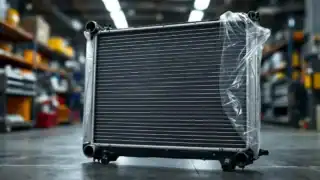
If radiator replacement is needed, we source OEM-equivalent parts that meet Audi’s specifications. We don’t fit cheap no-name radiators that fail within a year. We use quality components aligned to your Audi’s engineering, and we always replace the thermostat and coolant at the same time. Installing a new radiator with old, degraded coolant is asking for the same problem to return.
The repair process includes flushing the entire cooling circuit to remove corrosion debris and old fluid. We refill with fresh Penrite coolant suited to your Audi’s system. For Audi, this matters because the antifreeze specification is tied to the metals in your radiator and engine. We get it right from the start.
What Influences Repair Cost and Time?
Several factors affect how much an Audi radiator repair will cost and how long it takes. A straightforward radiator replacement on a newer model is typically a day job. Older Audi models or those with the radiator buried deeper in the engine bay take longer to access. Some models require removal of the front bumper or other components to reach the radiator safely, which adds time.
Part availability also plays a role. We keep quality radiators in stock for common Audi models, but if your car is older or the model is less common, we source the part to order. We’re transparent about lead times upfront. The decision between OEM and quality aftermarket parts affects cost too. We recommend OEM-equivalent parts for Audi, as they’re engineered to match your car’s cooling demands.
If the problem is more complex, such as an internal engine blockage or a corroded water pump that needs replacing alongside the radiator, time and cost will increase. We diagnose the full picture before quoting, so you understand what you’re paying for and why.
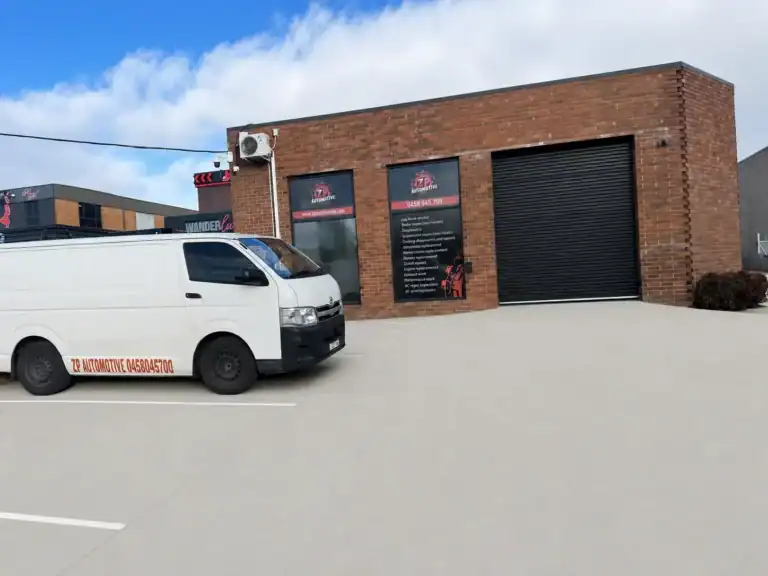
Why Choose ZP Automotive for Audi Radiator Repair in Mitchell?
Dealership service departments charge premium labour rates and often insist on full radiator replacement even when repair or targeted fixes might work. We approach Audi radiator repair differently. With 10+ years in the trade, we’ve seen how Audis age and what actually fails. We diagnose thoroughly, explain what’s wrong in plain English, and tell you what can wait and what needs attention now.
You deal directly with the mechanic doing your repair, not a service advisor reading from a script. We don’t upsell parts you don’t need. Fair, transparent pricing and quality parts like Penrite coolant mean you get real value without dealership labour rates. Your Audi’s manufacturer warranty remains intact because logbook servicing at an independent workshop doesn’t void it, and repairs like radiator work are still covered under your existing warranty claims if applicable.
We’re owner-operated and family-run, competing on trust and honest advice, not on being the cheapest. That means your car gets the time it needs to be done properly. Our 5.0 verified reviews reflect how owners value straightforward, honest service without the corporate workshop experience.
Next Steps
If you’ve noticed overheating warning lights, coolant leaks, or temperature gauge issues with your Audi, don’t wait for a breakdown. Call and Book Now or Claim Your Free Inspection online to get a clear diagnosis and honest advice on what your radiator repair will involve. We’ll let you know exactly what’s needed before we start work.