Your Audi’s cooling system keeps the engine running at the right temperature. When the radiator fails, that system collapses. An Audi radiator replacement restores cooling performance and prevents engine damage that can cost thousands more than the radiator itself. Most drivers notice a problem only when the temperature gauge climbs or coolant pools under the car, but catching the warning signs early makes the repair simpler and cheaper. At our Mitchell workshop, we see Audi radiator failures regularly and know exactly how to diagnose and fix them.
Signs Your Audi Radiator Needs Replacement
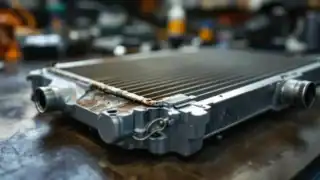
The radiator is made of thin aluminium fins and plastic tanks that expand and contract with heat cycles. After years of thermal stress, Audis develop leaks, internal corrosion, or blocked core sections that reduce cooling efficiency. Watch for these symptoms.
- Coolant pooling under the car (bright green, orange, or pink fluid depending on Audi model year)
- Temperature gauge creeping toward hot, especially in traffic or on hills
- Sweet smell from the engine bay (coolant has a distinctive odour)
- Overheating warning lights on the dash
- White steam or mist from under the bonnet
- Heater blowing cold air even when the engine is warm
Some Audis show no obvious leak but still lose coolant slowly. If you’re topping up the overflow bottle every few weeks, a radiator inspection is worth doing before the engine overheats completely.
How Audi Radiator Replacement Works
Replacing an Audi radiator is not just pulling out the old core and bolting in a new one. The job involves draining the entire cooling system, removing hoses and brackets, and then refilling with the correct coolant mixture. Audi models use specific coolant formulations (usually G12 or G13 depending on the model year), and mixing the wrong type can cause corrosion inside the engine block.
We start with a full diagnostic of the cooling system. Using Audi’s service schedule and fault codes, we check for leaks in hoses, water pump wear, and thermostat function. A faulty thermostat can sometimes feel like a radiator problem but is a separate repair. Once we confirm the radiator is the issue, we remove it carefully, check for debris in the cooling passages, and fit a quality replacement that meets Audi’s OEM specifications.
The refill is critical. We use a coolant fill process that removes air pockets, then test the system under load to ensure temperature stability and no leaks. An air-locked cooling system will overheat even with a brand-new radiator, so proper bleeding takes time but prevents comebacks.
Choosing Between OEM and Quality Aftermarket Radiators
Genuine Audi radiators are expensive. We use quality aftermarket radiators that meet OEM specifications for fit, function, and durability. These are not the cheapest no-name parts; they’re from suppliers with genuine engineering data and warranty backing. The difference between a reliable aftermarket radiator and a bargain-bin one shows up within months on an Audi, especially if you drive in stop-start traffic or tow.
What Affects the Cost and Timeline of Audi Radiator Replacement
Several factors influence the final bill. Radiator location varies across Audi models. Some are accessible from the front, others require more disassembly of bumper or fan shrouds. An A4 radiator swap might take three to four hours; an A6 or Q5 could take longer depending on the engine layout.
Coolant type and refill volume matter too. Audi models from different years use different coolant colours and formulations, so we check your specific service manual to get it right. If the radiator failure caused overheating, the water pump or thermostat may have suffered stress and could need attention while we’re in there.
Parts availability is usually quick, but some Audi models have longer lead times for OEM components. We source quality equivalents promptly and discuss options with you before we start, so you know the cost upfront and what you’re getting for it.
Why Mitchell Drivers Choose ZP Automotive for Audi Radiator Replacement
You deal directly with the mechanic doing the work, not a service advisor pushing extras. We explain what the radiator failure is, show you the damage, tell you the cost, and discuss whether any other cooling components need attention now or can wait. No upsell scripts, no dealership labour rates.
We use quality parts and fluids like Penrite coolant and trusted radiator suppliers, not the cheapest stock. Your Audi’s warranty stays intact with logbook servicing because we follow Audi’s service schedule and use parts that meet manufacturer specifications. If you’re within the warranty period, this matters; if you’re past it, you still benefit from proper diagnostics and honest advice about what your car actually needs.
With over ten years in the trade, ZP Automotive has worked on countless Audi cooling system failures. We know which models run hot, where leaks typically form, and how to do the job right the first time so you’re not back in a week because the system wasn’t bled properly or the wrong coolant was used. Our 5.0 verified reviews reflect that commitment to getting it right.
Next Steps: Book Your Audi Radiator Inspection in Mitchell
If your Audi is showing signs of overheating or you’ve spotted coolant under the car, don’t ignore it. The longer the engine runs hot, the greater the risk of serious damage. Call & Book Now or Claim Your Free Inspection online to have the cooling system checked at ZP Automotive in Mitchell. We’ll confirm whether it’s the radiator or something else, explain your options, and get you back on the road with confidence.