A failing radiator can leave you stranded on the side of the road or cause serious engine damage if left unaddressed. Kia radiator replacement is one of those services that shouldn’t be delayed once you’ve spotted the warning signs. Your radiator is the heart of your vehicle’s cooling system — it dissipates heat from the engine coolant so your Kia runs at the correct temperature. When it starts to fail, the consequences escalate quickly. At ZP Automotive in Mitchell, we’ve seen plenty of Kia owners catch radiator problems early, and plenty who discovered them the hard way. We’ll walk you through what to watch for, what the replacement process involves, and why having it done right matters for your car’s long-term reliability.
Warning Signs Your Kia Radiator Needs Replacing
The first clue is usually what you see or smell, not always what the temperature gauge tells you. Kia radiators can develop leaks, internal corrosion, or blocked passages, and each shows itself differently.
- Coolant puddles under your car, especially after it’s been parked – the most obvious sign of a radiator leak
- Sweet-smelling steam rising from the bonnet, particularly when idling or climbing a hill
- Engine temperature climbing higher than normal, even on cool days
- Visible corrosion, rust staining, or white crusty deposits on the radiator fins
- Coolant colour has turned brown or cloudy – indicates internal corrosion eating away at the radiator walls
- Slow loss of coolant level between services, even without obvious leaks
- The radiator feels cold to the touch while the engine is hot, suggesting coolant isn’t flowing through it
Don’t ignore these signs. A radiator that’s leaking or blocked forces your engine to work harder to stay cool. Drive it too long and you risk overheating, which can warp the cylinder head or crack the engine block – repairs that cost far more than a straightforward Kia radiator replacement.
How We Diagnose and Replace Your Kia Radiator
When you bring your Kia in, we start by confirming the radiator is actually the problem. A faulty thermostat or water pump can look like a radiator fault, so we don’t guess.
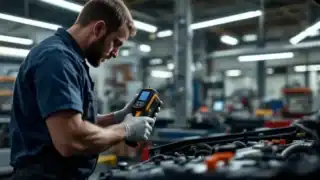
We check coolant condition and concentration with a refractometer to rule out simple chemistry issues. We pressure-test the system to find leaks and measure actual coolant flow. For Kia models, we also check the radiator fan operation – many Kia vehicles use electronically controlled fans that switch on and off based on engine temperature, and a faulty fan can mask a radiator problem.
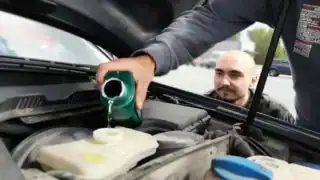
Once we’ve confirmed the radiator itself is faulty, removal depends on your model. Some Kia radiators sit in tight engine bays and require careful disconnection of hoses, brackets, and sometimes the front bumper trim. We drain the coolant safely, disconnect the upper and lower radiator hoses, unscrew the mounting bolts, and lift the old radiator clear. The new radiator goes in the reverse order, and we refill the system with the correct coolant specification for your Kia – not just any pink or green coolant, but the type your manufacturer requires.
We pressure-test the new installation before declaring it done, and we monitor the temperature gauge during a short test drive to confirm flow and thermal performance.
Parts, Timing, and Cost Factors for Kia Radiator Replacement in Mitchell
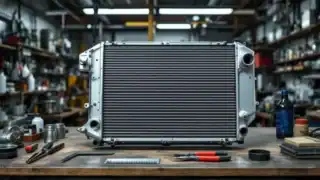
Several variables affect how long the job takes and what you’ll pay. A modern Kia radiator is typically an aluminium core with plastic tanks – lighter than older brass radiators, but more prone to internal corrosion. We use quality OEM-equivalent radiators that match Kia’s specifications, not cheap aftermarket units that fail within a year. Quality matters here because your radiator sits between your engine and everything else that relies on cooling.
How accessible your radiator is plays a big role in labour time. Some Kia models have radiators that slide out in under an hour; others require removing the front bumper cover, fans, or air-conditioning condenser first, which can double the time. Your specific model year and whether air-conditioning components are in the way both influence the job duration.
Parts availability is rarely an issue for Kia radiators – these are common, well-stocked items across the Canberra region. Fresh coolant, hoses, and clamps may also be needed if existing ones show wear during removal. We’ll always explain what’s necessary and what’s optional before we start, so you’re not surprised by the final cost.
Why Trust ZP Automotive With Your Kia Radiator Replacement
We’ve been fixing cooling system problems for over a decade. We don’t use mystery-brand radiators or guess our way through diagnostics – we test, confirm, and explain what we find in plain English. You deal directly with the mechanic doing the work, not a service adviser reading from a script. That means honest advice about what can’t wait and what can, and fair pricing without dealership labour rates.
We use quality parts and fluids – Penrite coolant and proper OEM-spec components – because cutting corners on cooling system parts is how cars end up in the workshop with engine damage six months later. Your Kia’s warranty stays intact whether you use us or a dealership. That’s Australian consumer law, and it matters when you’re protecting your investment.
If you’re running logbook servicing, we handle those too, and we’ll keep your manufacturer warranty intact while keeping your costs fair. We also offer engine diagnostics, air-conditioning servicing, and wrong-fuel recovery if you need other cooling or fluid-related support alongside your radiator work.
Book Your Kia Radiator Inspection at ZP Automotive
If you’ve noticed coolant leaks, steam from under the bonnet, or your temperature gauge creeping up, don’t wait. Call us to discuss your symptoms, or claim your free inspection to have us diagnose exactly what’s happening with your Kia’s cooling system. We’re based in Mitchell and serve the wider Canberra area. We’ll get you sorted with honest advice and quality work.