Owner-Operated Workshop
Quality Parts & Oils
5.0★ Rating
Transparent Pricing

5.0 (Verified Reviews)

Top Rated Honda Radiator Replacement In Mitchell

Your Honda's cooling system needs expert attention. We diagnose radiator faults, fit quality replacements, and get you back on the road without dealership costs.

Honest Advice

Quality Parts

5.0★ Rating

Honda Radiator Experts

Claim Your Free Check

Fill in the form and we'll get back to you promptly — no obligation.

Booking Form
  • Vehicle Details
  • Confirm Vehicle
  • Services
  • Contact Details
No Upsell Scripts
Quality Parts Used
Plain-English Advice

Why Book With Us

Claim Your Free Inspection
Drop Off Your Car
We Get to Work
Back on the Road

A failing radiator can leave you stranded or facing an expensive engine rebuild. Honda radiator replacement is a straightforward job when caught early, but ignoring warning signs risks serious engine damage. If your Honda is running hot, losing coolant, or showing steam from under the bonnet, a radiator inspection should be your next move. We’ll diagnose the problem, explain your options, and get your cooling system back to working properly without the dealership labour rates or upsell tactics.

Warning Signs Your Honda Radiator Needs Replacement

Radiators fail gradually or suddenly, and either way you’ll notice something wrong before real damage occurs. The most common signs are straightforward to spot if you know what to look for.

  • Temperature gauge climbing into the red zone, especially in traffic or uphill
  • Visible coolant leaks under the car (usually a sweet-smelling fluid, green, orange, or pink depending on coolant type)
  • Steam or mist from under the bonnet after driving
  • Puddles of coolant in your driveway or parking spot
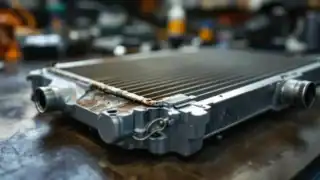
  • Rust stains or discolouration on the radiator core visible through the grille
  • Overheating only when the air conditioning is running
  • Coolant in the overflow tank constantly low despite regular top-ups

Many Honda owners notice the problem starts small – just needing coolant top-ups every month or two – before it becomes critical. Don’t ignore that. A small leak becomes a big one, and a radiator that’s lost its efficiency will overheat your engine repeatedly, warping cylinder heads and damaging gaskets far more expensively than a radiator replacement itself.

How We Diagnose and Replace Your Honda’s Radiator

When you bring your Honda in, we start with a visual inspection and a pressure test. The pressure test forces coolant through the system to find leaks and measure how well the radiator is holding pressure. If the radiator fails this test or shows visible corrosion, cracks, or blocked passages, replacement is the proper fix.

Honda radiators are built to handle specific coolant types and flow rates. We use OEM-specification coolant or quality equivalent products – not cheap supermarket versions – because Honda’s cooling systems are engineered around particular antifreeze chemistry. Using the wrong coolant can actually accelerate radiator corrosion, so we get this detail right from the start.

The replacement itself involves draining the existing coolant, unbolting the old radiator, disconnecting hoses and fan shroud, and bolting in the new one. We then refill with correct Honda coolant, bleed air from the system to avoid hot spots, and test the thermostat to confirm everything’s working. The whole job takes a few hours depending on your model and how accessible the radiator is. Some Honda models, particularly older Accords and Civics, have tighter engine bays that take a bit longer, but we’ve done enough of them to work efficiently.

We use quality replacement radiators that match OEM specifications – not the cheapest no-name stock from discount suppliers. A radiator is too critical to your engine’s health to gamble on durability. Once we’ve finished, your cooling system should maintain steady temperatures and hold pressure with no leaks.

What Affects the Cost and Time for Honda Radiator Replacement in Mitchell

Several factors influence how much time and money you’ll spend. Your specific Honda model matters most – a radiator on a Jazz or Civic is simpler and faster than one on an older Accord or CR-V where access is tighter. Parts availability can add a day or two if we need to source a particular radiator, but we usually have stock on hand or can get one quickly from trusted suppliers.

Whether you choose an OEM Honda radiator or a quality aftermarket equivalent also makes a difference. An OEM radiator carries a higher price tag but is guaranteed to fit perfectly and perform to factory standards. Quality aftermarket radiators cost less and perform well, but you’re trading some reassurance for savings. We’ll present both options and let you decide what makes sense for your budget.

The condition of your coolant hoses and thermostat also factors in. If hoses are cracked or the thermostat is sluggish, we’ll recommend replacing those at the same time rather than patching a cooling problem part-way. We always explain what’s needed versus what can wait, so you’re not blindsided by add-ons.

Why Choose ZP Automotive for Your Honda Radiator

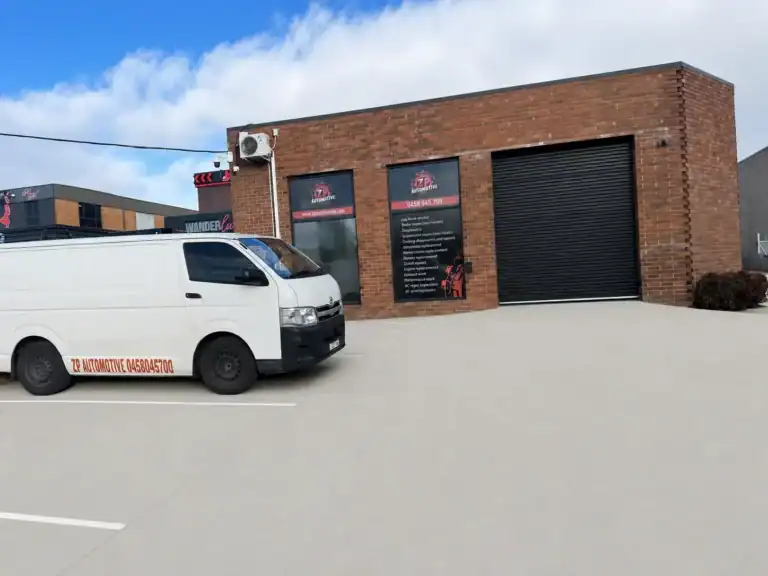
We’re an independent, owner-operated workshop in Mitchell with over 10 years of hands-on experience. Brendan does the work himself – you’re not paying dealership labour rates or waiting while a service adviser manages three jobs at once. We stock quality parts and oils (Penrite, Rico) because cutting corners on coolant or radiators just creates repeat problems, and that’s not how we work.

Our logbook servicing records your radiator replacement so that future owners know exactly what’s been done. If you’re keeping your Honda long-term, that’s peace of mind. If you sell it later, that service history matters.

We explain what’s wrong, what it’ll cost, and what can wait. No scripts, no pressure to upsell. If a radiator is failing, we’ll tell you straight and show you the evidence – usually visible corrosion, a failed pressure test, or active leaks. You won’t guess whether you actually need this repair.

Get Your Honda’s Radiator Inspected in Mitchell

If you’re seeing any of the warning signs above, or your Honda’s temperature gauge has been creeping up, claim your free inspection. We’ll run a pressure test, check your coolant condition, and show you exactly what’s happening. Call and book now, and we’ll fit you in quickly so you can get back on the road safely.

Other Services

Whatever your needs we have you covered, see some similar services below or click "See All Services" to explore our full service offering.

Honest Mechanics, Fair Prices in Mitchell

Owner-operated and family-run, we give you straight answers, quality parts, and fair pricing without the dealership markup or the upsell scripts.

You Deal With the Mechanic

Talk directly to the owner — no service advisors, no middlemen, no upsell pressure.

Quality Parts, Honest Pricing

Bring your vehicle in and we’ll assess what’s needed before any work begins.

Honda Cooling System Warranty

We back every Honda radiator replacement with a full warranty on parts and workmanship.

How Honda Radiator Replacement Works

From diagnosis to a fully cooled engine, we handle your Honda radiator replacement in Mitchell professionally.

Step 1

Claim Your Free Inspection

Claim your free inspection to diagnose any radiator faults and get a clear picture of cooling system needs.

Step 2

Cooling System Diagnosis

We inspect hoses, test coolant condition, and check Honda-specific cooling pathways to identify the root cause.

Step 3

Radiator Replacement

We remove the old radiator, fit a quality replacement, and refill with the correct Honda-spec coolant.

Step 4

Test and Collection

We run the engine, verify coolant temperature and pressure, then call you to collect your reliable Honda.

What Our Customers Say

5.0 (Verified Reviews)

Quality Parts From Trusted Suppliers

We use quality oils and parts from reputable suppliers — including Penrite and Rico — because what goes into your car matters as much as the work itself.

Claim Your Free Check

Fill in the form and we'll get back to you promptly — no obligation.

Booking Form
  • Vehicle Details
  • Confirm Vehicle
  • Services
  • Contact Details
No Upsell Scripts
Quality Parts Used
Plain-English Advice

Why Book With Us

Claim Your Free Inspection
Drop Off Your Car
We Get to Work
Back on the Road

Got Questions? We Have Answers

Browse the common questions below. If yours isn't listed, give us a call and we'll give you a straight answer.

Honda radiator replacement typically takes 1 to 2 hours, depending on your model and engine layout. Some Hondas have tighter engine bays that take a bit longer to access the radiator safely. We’ll give you a clear timeframe when you bring your car in. Most jobs can be completed the same day, so you’re not without your vehicle for long.

Watch for coolant leaks under your car, overheating warning lights on the dashboard, sweet-smelling steam from under the bonnet, or a drop in coolant level that keeps happening. If your engine temperature gauge sits higher than normal even in cool weather, that’s a red flag. Don’t ignore these signs — a failing radiator can lead to engine damage, which is far more expensive to fix. Have it inspected if you notice any of these.

No. Under Australian Consumer Law and ACCC guidance, having your radiator serviced or replaced by a qualified independent mechanic does not automatically void your manufacturer warranty. The dealer cannot refuse warranty cover simply because you used an independent workshop—they must prove the independent work caused the issue. That said, check your specific warranty documents or contact your Honda dealer if you have concerns. We’re happy to discuss this with you before any work starts.

We drain the coolant system safely, disconnect hoses and mounting bolts, remove the old radiator, and install a new one using quality parts. We refill the system with fresh coolant, check for leaks, and test that temperatures stay normal during a short drive. The whole process is straightforward, and we keep your engine bay clean throughout. You’ll know exactly what’s been done before you leave.

Not safely, no. A leaking radiator means your coolant level drops, and without enough coolant, your engine overheats quickly. Driving on an overheating engine causes serious damage to the cylinder head and internal components—repairs that cost thousands. If you spot a leak, stop driving and have it inspected right away. We can assess whether it’s a quick fix or a full radiator replacement needed.

Most radiators last 8 to 10 years or 100,000 to 150,000 kilometres, though this varies by driving conditions and coolant maintenance. If you’re flushing your coolant on schedule, your radiator will last longer. Hondas are generally reliable, but age and heat cycles eventually weaken radiator seals and internal passages. Regular coolant checks help catch problems early before a full replacement is needed.

We use quality OEM-equivalent radiators that match Honda specifications for your model. For coolant, we use Penrite products that meet Honda requirements—we don’t use cheap no-name stock. Using the right parts and fluids keeps your cooling system reliable and maintains the longevity of your engine. We’ll discuss part options with you based on your car’s age and condition.

Turn off the air conditioning and pull over safely as soon as possible. Don’t keep driving, as overheating causes severe engine damage. Let the engine cool, then check your coolant level when it’s safe. If the level is low, you may have a leak in your radiator or hoses. In Mitchell, we can diagnose cooling issues quickly and advise whether you need radiator repair or replacement to get you back on the road safely.

Coolant flushing cleans out old fluid and debris from your cooling system to keep it working well, typically done every two years. Radiator replacement is needed when the radiator itself is damaged, leaking, or internally blocked and can’t be repaired. Flushing is preventive maintenance that extends your radiator’s life. However, if your radiator is already failing, flushing won’t fix it—replacement is the only solution.

Some Honda models experience radiator corrosion or internal blockages earlier than other brands, particularly in older vehicles. The plastic tanks can become brittle over time, leading to cracks and leaks. Regular coolant changes help prevent corrosion and keep the radiator clean inside. If you own an older Honda, keeping on top of coolant maintenance and catching warning signs early will help you avoid a breakdown and unexpected repair costs.

Continue to site