A failing radiator in a Porsche isn’t just an inconvenience—it’s a threat to engine integrity. Porsche radiators work harder than most, managing higher coolant flow rates and tighter temperature tolerances that keep your flat-six or V8 running at peak efficiency. When a radiator starts to fail, your cooling system can’t do its job, and that’s when expensive damage happens fast. At ZP Automotive in Mitchell, we’ve seen plenty of Porsche owners push through early warning signs, only to face a much bigger bill down the track. A Porsche radiator replacement catches the problem before it cascades into head gasket failure, warped cylinders, or worse.
Signs Your Porsche Needs a New Radiator
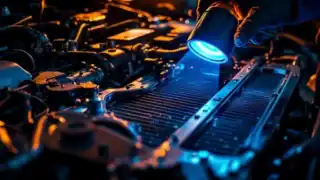
The most obvious warning is coolant leaking underneath your car. Porsche radiators develop pinhole cracks or corroded seams over time, especially in older models where the aluminium core has seen years of thermal cycling. You might spot a puddle of green, orange, or pink fluid where you parked, or notice your coolant level dropping between services without obvious explanation.
Temperature gauge creep is another clear signal. If your Porsche’s coolant temperature climbs higher than usual during normal driving or sitting in traffic, the radiator isn’t shedding heat efficiently. You might also hear the cooling fan running constantly, working overtime to compensate for a struggling radiator. Some owners report a sweet smell under the bonnet—that’s coolant vapour escaping from a compromised radiator or leaking into the engine bay.
- Coolant pooling under the car or visible drips
- Temperature gauge running hotter than normal
- Cooling fan running longer or more frequently
- Sweet-smelling vapour from the engine bay
- Visible corrosion or white crusty deposits on radiator fins
- Overheating warnings on the dashboard
Don’t wait for the engine to overheat completely. By then, thermal damage may already be underway. A Porsche radiator replacement is preventative work that protects the rest of your cooling system and your engine.
How Porsche Radiator Replacement Works
Replacing a Porsche radiator is more involved than it sounds, and the process varies depending on your model. Most Porsche radiators sit tightly within the chassis, meaning we need to remove the front bumper bar, air intake ducting, and sometimes the radiator fan shroud to access the unit safely.
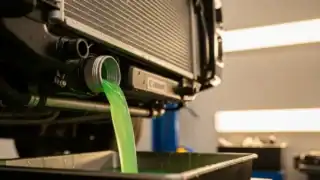
First, we drain the coolant fully using a proper recovery system—this isn’t a job for draining into a bucket. We then disconnect the radiator hoses, unbolt the radiator mounting brackets, and lift it clear. While the radiator is out, we inspect the water pump, thermostat housing, and hose condition. A radiator failure often signals that other cooling components are nearing the end of their life, so catching secondary issues now saves you money later.
When it comes to the replacement radiator itself, we fit quality OEM-equivalent units or genuine Porsche radiators, depending on your preference and model year. We don’t install cheap aftermarket radiators that won’t hold the precise temperature bands your Porsche’s engine management system expects. The new radiator is bolted in place, hoses reconnected, and the system refilled with the correct coolant specification and concentration for your model.
Finally, we bleed the cooling system properly to remove air pockets, which is critical for Porsche engines. Air in the coolant leads to hot spots and gauge errors. We run the engine through a heat cycle, check for leaks, and confirm temperature stability before the car leaves our workshop.
What Affects the Cost and Timeline for Porsche Radiator Replacement
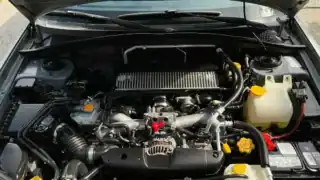
Labour time depends heavily on your Porsche model and year. Earlier water-cooled Porsche models (like the 996 and 997) have more straightforward access than newer turbocharged variants, where intercooler plumbing and auxiliary cooling loops add complexity. Expect the job to take anywhere from a few hours to a full day, depending on what we find once we’re inside the engine bay.
Parts availability matters too. If we’re fitting a genuine Porsche radiator, lead time may add a day or two. We stock common OEM-equivalent alternatives that arrive faster without compromising quality. The radiator itself is the main cost, but we also factor in fresh coolant, new hose clamps (always replaced, never reused), and a thermostat refresh if inspection suggests it’s wearing.
If corrosion has damaged surrounding components—like the radiator fan motor or upper hose—that work gets added to the scope. We’ll always tell you upfront what we find and what’s necessary versus what can wait.
Why Choose ZP Automotive for Your Porsche Radiator Replacement in Mitchell
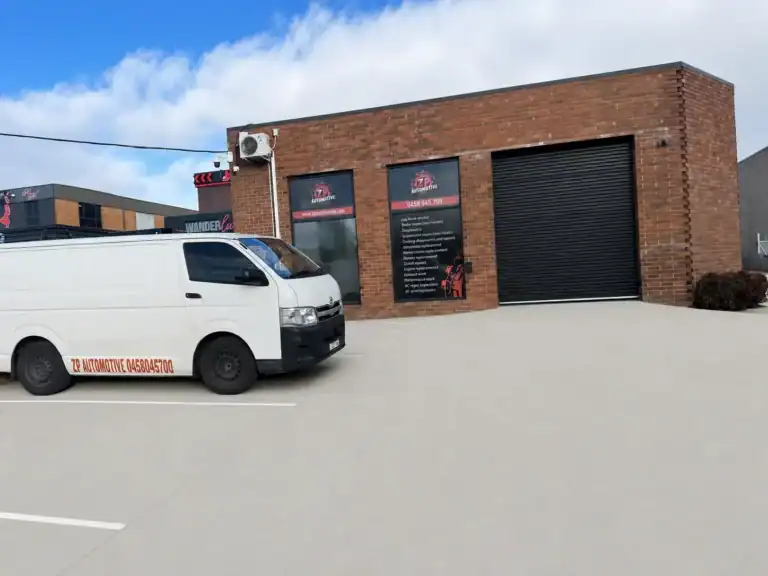
We’re an independent workshop, not a dealership. That means you deal directly with the mechanic doing the work—no service advisor, no upsell script, no inflated labour rates. Our team has over 10 years in the trade, and we see Porsche cooling systems regularly. We understand the make-specific requirements: the coolant specifications, the air-bleeding procedures, the thermal thresholds that matter to Porsche engine management.
We use quality parts and oils—Penrite coolant and OEM-spec components—not the cheapest no-name alternatives that fail faster. Our pricing is transparent and fair. We explain what’s wrong, what it costs, and what can wait. If your Porsche is under warranty or subject to a logbook servicing schedule, we’ll make sure this work is documented correctly so your coverage stays intact.
We’re based in Mitchell and service the surrounding area. You get honest, plain-English advice and quality work without the dealership markup.
Next Steps
If you’ve noticed any of these cooling system symptoms, don’t ignore them. Call & Book Now or claim your free inspection to have one of our technicians assess your radiator. We’ll let you know whether a replacement is necessary, what parts we recommend, and what it’ll cost before we do any work.