Owner-Operated Workshop
Quality Parts & Oils
5.0★ Rating
Transparent Pricing

5.0 (Verified Reviews)

Affordable Japanese Vehicles Water Pump Replacement In Mitchell

Water pump failure can overheat your Japanese vehicle and cause serious engine damage. We replace it with quality parts, test the full cooling system, and get you back on the road safely.

Honest Advice

Quality Parts

5.0★ Rating

Japanese Water Pump Specialists

Claim Your Free Check

Fill in the form and we'll get back to you promptly — no obligation.

Booking Form
  • Vehicle Details
  • Confirm Vehicle
  • Services
  • Contact Details
No Upsell Scripts
Quality Parts Used
Plain-English Advice

Why Book With Us

Claim Your Free Inspection
Drop Off Your Car
We Get to Work
Back on the Road

A water pump failure in a Japanese vehicle can leave you stranded without warning. The water pump circulates coolant through your engine to prevent overheating, and when it wears out, your engine temperature climbs fast. Japanese vehicles like Toyota, Honda, Nissan, and Mazda models rely on precise cooling system performance, especially in Australian summer conditions. Japanese vehicles water pump replacement in Mitchell is a straightforward but essential repair that keeps your vehicle running reliably and prevents serious engine damage.

Signs Your Japanese Vehicle Needs a Water Pump Replacement

The most common warning sign is coolant leaking from the front of the engine, usually visible as a puddle under your car after it’s been parked for a few hours. You might notice the leak coming from the weep hole on the pump’s lower body, which is designed to warn you before internal seals fail completely. Other symptoms include an overheating engine, especially during stop-start driving or in heavy traffic, a sweet-smelling coolant odour, or grinding noise from the pump area when the engine is running.

Some Japanese vehicles show a high temperature warning on the dash before any visible leak appears. If your coolant level drops between services, the water pump is often the culprit. Don’t ignore these signs. A failing water pump can damage your radiator, thermostat, and even the engine head gasket if coolant loss goes unchecked.

How We Diagnose and Replace Your Water Pump in Mitchell

We start by checking your coolant level and pressure testing the cooling system to confirm the pump is the source of the leak. Japanese vehicles have different pump designs depending on the model year and engine type. Some pumps are driven by the timing belt, others by the serpentine belt, and this affects both the job complexity and cost. We inspect the timing belt condition at the same time, since many Japanese vehicles benefit from belt replacement when the pump comes out.

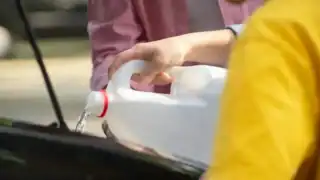
Once we confirm the pump needs replacement, we drain the coolant safely, remove the pump, and inspect the mounting surface for corrosion or damage. We fit a quality replacement pump that meets Japanese vehicle manufacturer specifications, refill with the correct coolant type (often Toyota red, blue, or pink depending on your model), and pressure test the system to confirm the repair is solid. For Japanese vehicles, using the correct OEM-spec coolant is crucial to prevent internal corrosion and extend component life.

If your timing belt comes off during this work, we replace it with a quality equivalent part that matches factory specifications. We also flush and refill your cooling system to remove any debris or sediment that may have built up. The whole job usually takes a day, but timing belt involvement can add extra time.

What Affects Cost and Timeframe for Water Pump Replacement

The main variable is whether your water pump is driven by the timing belt. If it is, we factor in timing belt inspection and often recommend replacement at the same time, since the belt is already exposed. This adds to the job cost but saves labour if you need the belt done later anyway. Japanese vehicles like many Toyotas and Hondas use timing belt driven pumps, making this a common consideration.

Parts availability matters too. Genuine Japanese vehicle water pumps are usually in stock or available quickly, but if you choose OEM replacement, lead time can vary. We use quality equivalent pumps from trusted suppliers like Rico, which meet Japanese manufacturer specifications without the dealership markup. Your choice of coolant type also affects the final cost, though we always use the correct spec for your vehicle to protect your engine long term.

Vehicle age and mileage play a role as well. Older pumps can seize or corrode in place, making removal harder. Some models have tight engine bay layouts that require extra care and time. We’ll give you an honest assessment of timing and cost once we’ve inspected your vehicle.

Why ZP Automotive Is Your Trusted Choice for Japanese Vehicle Water Pump Work

We work on Japanese vehicles regularly and understand the specific cooling system designs that Toyota, Honda, Nissan, Mazda, and Mitsubishi use. Our owner-operated workshop has 10+ years of trade experience, and we deal directly with customers rather than using service advisors. That means you talk to the mechanic doing the work, ask questions, and get plain-English explanations of what’s needed and why.

We use quality parts and fluids, not no-name stock. Our coolants and replacement pumps meet or exceed Japanese manufacturer specs, so your warranty stays intact and your cooling system remains reliable. We charge fair, transparent prices without dealership labour rates, and we’ll never push you into work you don’t need. If your timing belt is still good, we’ll say so. If it needs replacing, we’ll explain why and give you options.

Japanese vehicles deserve careful, knowledgeable work. Water pump replacement is one of the jobs where getting the details right saves you money and stress down the track. We handle it with the same attention we bring to logbook servicing, ACT rego inspections, engine diagnostics, and air conditioning work.

Book Your Japanese Vehicles Water Pump Replacement Inspection Today

If you’ve noticed coolant leaks, overheating warnings, or grinding noises from your Japanese vehicle’s cooling system, call us or claim your free inspection. We’ll diagnose the problem, explain your options, and get your car reliable again without fuss or surprise costs.

Other Services

Whatever your needs we have you covered, see some similar services below or click "See All Services" to explore our full service offering.

Honest Mechanics, Fair Prices in Mitchell

Owner-operated and family-run, we give you straight answers, quality parts, and fair pricing without the dealership markup or the upsell scripts.

You Deal With the Mechanic

Talk directly to the owner — no service advisors, no middlemen, no upsell pressure.

Quality Parts, Honest Pricing

Bring your vehicle in and we’ll assess what’s needed before any work begins.

OEM-Spec Japanese Cooling Parts

We source quality Japanese parts that match factory specs and keep your warranty intact.

How Japanese Water Pump Replacement Works

From diagnosis to a cool-running engine, here's what happens when you bring your Japanese vehicle in for water pump service.

Step 1

Claim Your Free Inspection

Claim your free inspection to check your cooling system and confirm if water pump replacement is needed.

Step 2

Cooling System Diagnosis

We inspect the pump, coolant condition, and hose connections using Japanese vehicle-specific procedures.

Step 3

Water Pump Replacement

We remove the old pump, install a quality replacement, and refill with proper coolant.

Step 4

Test and Handover

We test the system, walk you through the work, and your vehicle is ready to collect the same day.

What Our Customers Say

5.0 (Verified Reviews)

Quality Parts From Trusted Suppliers

We use quality oils and parts from reputable suppliers — including Penrite and Rico — because what goes into your car matters as much as the work itself.

Claim Your Free Check

Fill in the form and we'll get back to you promptly — no obligation.

Booking Form
  • Vehicle Details
  • Confirm Vehicle
  • Services
  • Contact Details
No Upsell Scripts
Quality Parts Used
Plain-English Advice

Why Book With Us

Claim Your Free Inspection
Drop Off Your Car
We Get to Work
Back on the Road

Got Questions? We Have Answers

Browse the common questions below. If yours isn't listed, give us a call and we'll give you a straight answer.

We drain the coolant, remove the old pump, inspect the surrounding components for wear, fit a quality replacement pump, and refill the system with fresh coolant. The job typically takes a few hours depending on your vehicle’s layout. We test the cooling system afterwards to confirm there are no leaks and the temperature gauge sits steady.

Look for coolant leaks beneath the car, overheating while driving, a high-pitched squealing or grinding noise from the engine bay, or sweet-smelling steam from under the bonnet. If you spot any of these, have it checked soon. A failed pump will damage your engine quickly, so don’t ignore these symptoms or keep driving if the temperature gauge creeps up.

Most Japanese vehicles run 100,000 to 150,000 kilometres between pump replacements, though some last longer depending on driving habits and coolant quality. Your logbook will suggest an interval. Rather than waiting for failure, we recommend inspection if you’re approaching that mileage or if you notice any symptoms. Preventive replacement costs far less than engine damage from overheating.

No. Under Australian consumer law and ACCC guidance, independent servicing by a qualified mechanic won’t void your manufacturer warranty as long as the work is done properly and you use quality parts. We keep logbooks stamped and use quality brands like Penrite. However, this is general information. Check your specific warranty documents or contact your manufacturer if you have concerns about coverage.

Typically a few hours, though the exact time depends on your vehicle’s engine layout and whether we find any complications during removal. Some Japanese makes sit the pump in an easy-access location; others require more disassembly. We’ll give you a clearer estimate once we see your car. Most jobs are completed the same day in Mitchell.

We fit quality pumps that match or exceed OEM specifications, but not necessarily dealership-branded parts. We use trusted brands that suit your vehicle and represent good value without cutting corners. Genuine OEM parts cost more but aren’t always necessary if the alternative is proven and reliable. We’ll discuss options with you before starting the job.

Your coolant level drops, the engine overheats, and internal damage follows quickly. You risk a cracked head, warped block, or complete engine failure. Overheating can happen on the side of a busy road and leave you stranded. A water pump replacement now costs a fraction of engine repair or replacement. If you’re losing coolant, get it inspected as soon as you can.

Yes. We service most Japanese brands and can stamp your logbook when we replace your water pump as part of scheduled maintenance or as a standalone repair. We’ll note the work and parts used in your service record. This keeps your warranty protection intact and gives you a complete maintenance history for resale or future warranty claims.

The pump type, your vehicle model, and labour time are the main drivers. Some Japanese vehicles have pumps in tight engine bays that take longer to access. Parts quality affects price too. We’ll provide an estimate once we inspect your specific car. Our workshop in Mitchell can discuss package pricing if you’re due for other cooling system work at the same time.

That depends on your warranty terms and how the pump failed. Manufacturing defects are often covered; wear from age or coolant neglect usually aren’t. We recommend you check your warranty paperwork or contact your provider if a pump fails within the warranty period. We can help document the failure and support a claim if needed.

Pull over safely as soon as possible and turn off the engine. Let it cool for at least 15 minutes before checking the coolant level (never open the radiator cap when hot). If the level is low, you may have a leak like a failed water pump. Don’t keep driving with an overheated engine. Contact us to book an inspection, or find shelter until help arrives if you’re far from a workshop.

Use the correct coolant type for your Japanese vehicle and flush it at the intervals recommended in your logbook. Keep the coolant topped up and watch for leaks. A well-maintained cooling system with fresh, quality coolant helps pumps last longer. Avoid heavy towing or stop-start driving in extreme heat if possible. Regular inspections catch small issues before they become expensive failures.

Continue to site