Your Jeep’s water pump is one of those components that works silently in the background until it doesn’t. It circulates coolant through the engine block, radiator, and heater core to keep your Jeep running at the right temperature. A failing water pump doesn’t just leave you stranded—it can cause serious engine damage if coolant leaks out or the pump stops spinning. Jeep water pump replacement isn’t always an obvious fix, but when your cooling system starts showing warning signs, a professional diagnosis tells you exactly what’s happening and what needs to be done. At ZP Automotive in Mitchell, we’ve helped plenty of Jeep owners catch pump failures before they become engine failures.
What Are the Signs Your Jeep Water Pump Is Failing?
Most people don’t think about their water pump until they see a puddle under the vehicle or notice the temperature gauge climbing higher than normal. A failing pump can produce several distinct warning signs worth catching early.
- Coolant leaks pooling beneath your Jeep, especially near the front or centre of the engine bay
- Temperature gauge creeping into the hot zone, particularly during stop-start traffic or on hills
- A grinding or squealing noise from the front of the engine, especially when the engine is cold
- White steam or mist under the bonnet when you pop it open
- Coolant loss without visible leaks (internal pump seal failure)
- Overheating that happens quickly after starting, not just on long drives
Some Jeep owners describe it as a gradual decline—the temperature gauge drifts up a few degrees each week, or they notice they’re topping up coolant more often. Others experience a sudden problem. Either way, it’s not something to ignore. A broken water pump means your engine isn’t being cooled properly, and that leads to overheating, warping, and potentially expensive engine rebuilds down the track.
How We Diagnose and Replace Your Jeep’s Water Pump
Jeep water pump replacement starts with understanding exactly what’s wrong. We don’t assume the pump is the culprit just because the cooling system is struggling. A failing water pump creates specific symptoms, but so do other cooling system faults—a blocked radiator, a stuck thermostat, or a failing fan clutch can mimic pump issues. We inspect first, confirm the diagnosis, and then explain what needs to happen.
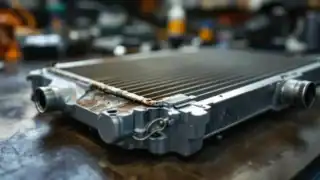
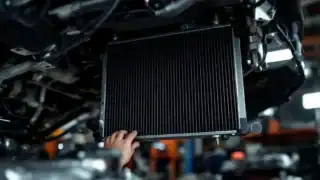
For Jeep models, we follow the OEM service procedures, which means we drain the coolant safely, remove the timing belt covers or serpentine belt (depending on your Jeep’s year and engine), and then unbolt the old pump. We check the mounting surfaces for damage and corrosion, inspect the impeller condition in case there’s been internal deterioration, and assess whether the radiator and hoses are in good shape while we’re in there. If you’ve been running non-OEM coolant or if the system shows signs of rust and scale buildup, we’ll recommend a flush or a coolant change to prevent future pump failure.
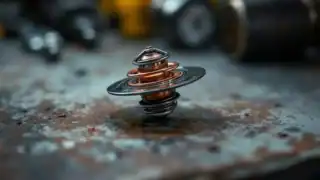
The new water pump we fit meets Jeep’s specifications—it’s not the cheapest aftermarket option, but a quality replacement that carries a reliable performance record. We use fresh, OEM-spec coolant when we refill the system. Once the pump is installed, we run the engine and check for leaks, air locks, and correct temperature regulation before you drive it away.
What Affects the Cost and Time for Your Jeep Water Pump Replacement
Several factors influence how much your Jeep water pump replacement costs and how long it takes. The main variable is your Jeep’s model year and engine type. Some Jeep engines have the pump bolted to the front and relatively accessible; others sit deeper in the engine bay or require removal of additional components like the timing belt cover or alternator. A Grand Cherokee or Wrangler might have different access points than a smaller Liberty or Compass, which affects labour time.
Parts availability also plays a role. OEM-equivalent replacement pumps are usually in stock or readily available, but if your Jeep is older or has a less common engine, lead time can add a day or two. We’re transparent about this—we’ll let you know upfront if we need to order the pump in.
The condition of surrounding components matters too. If your radiator hoses are aged or the thermostat looks questionable, replacing them while the system is open makes sense and saves you coming back in six months. We’ll explain the cost difference and let you decide what’s urgent and what can wait.
Why Mitchell Drivers Choose ZP Automotive for Jeep Cooling Work
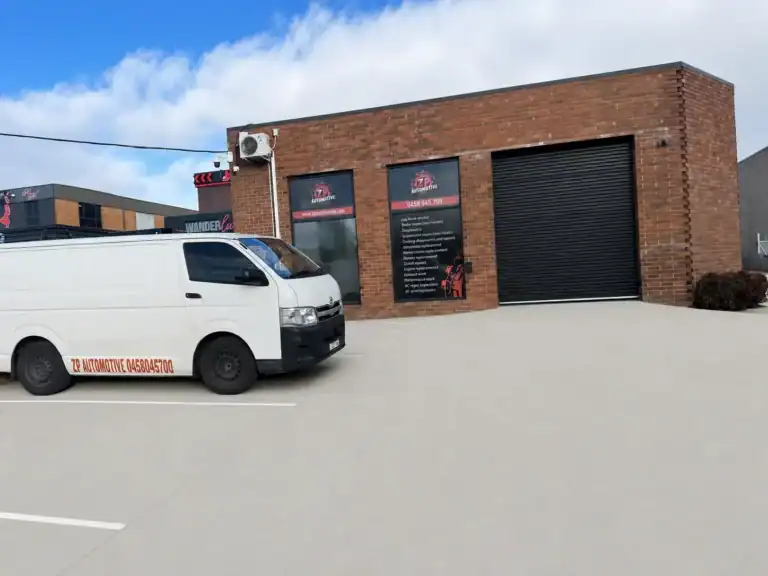
We’re an independent workshop, not a dealership service department trying to upsell you into a full cooling system rebuild or every optional fluid flush available. Brendan has spent over 10 years on the tools, and he’s seen plenty of water pump failures across all Jeep generations. We diagnose honestly, quote fairly, and explain what’s actually necessary versus what’s nice-to-have.
You deal directly with the mechanic doing the work—there’s no service adviser writing up quotes with built-in margins or upsell scripts. We use quality parts and fluids—Penrite coolant and OEM-spec replacements—not the cheapest no-name stock. If you’ve got a Jeep that’s out of warranty and you want logbook-style servicing records, we’ll keep them for you. Our pricing sits between the quick-fit chains and the dealership labour rates, and we back our work with honest, plain-English advice about what will keep your Jeep reliable.
Ready to Get Your Jeep’s Water Pump Fixed?
If you’ve noticed any cooling system warning signs, don’t wait for a breakdown. Call us to discuss your symptoms using Call & Book Now, or Claim Your Free Inspection to confirm whether it’s the water pump or something else. We’ll get your Jeep sorted and send you back on the road with confidence from our Mitchell workshop.