Owner-Operated Workshop
Quality Parts & Oils
5.0★ Rating
Transparent Pricing

5.0 (Verified Reviews)

Top Rated Lexus Tailshaft Repair In Mitchell

Tailshaft problems affect your Lexus's handling and power delivery. We diagnose the issue, explain what's needed, and get you back on the road reliably.

Honest Advice

Quality Parts

5.0★ Rating

Lexus Driveline Experts

Claim Your Free Check

Fill in the form and we'll get back to you promptly — no obligation.

Booking Form
  • Vehicle Details
  • Confirm Vehicle
  • Services
  • Contact Details
No Upsell Scripts
Quality Parts Used
Plain-English Advice

Why Book With Us

Claim Your Free Inspection
Drop Off Your Car
We Get to Work
Back on the Road

A tailshaft—also called a propshaft or driveshaft—transfers engine power from the transmission to the rear differential, spinning the rear wheels. On Lexus vehicles, the tailshaft is a precision component engineered to Toyota’s exacting standards, and when it develops wear, vibration, or damage, it affects ride quality, safety, and fuel economy. Lexus tailshaft repair in Mitchell addresses problems ranging from worn universal joints to damaged centre bearings, and catching these issues early prevents costly gearbox or axle damage down the line.

Signs Your Lexus Tailshaft Needs Inspection

Several warning signs point to tailshaft trouble. If you notice a rhythmic vibration that increases with speed—especially between 80 and 100 km/h—the culprit is often a worn universal joint or an out-of-balance shaft. A clunking or banging sound from underneath the car when accelerating or decelerating, particularly in rear-wheel-drive Lexus models like the LS or GS, suggests a loose tailshaft mounting or a damaged centre bearing.

Some drivers report a shudder through the cabin during gentle acceleration or a sensation that the car is “slipping” when it is not. Excessive play in the steering wheel at highway speeds, or a feeling that the rear of the vehicle is moving independently, can also indicate tailshaft wear. Any of these symptoms warrants a professional inspection—a failing tailshaft can eventually seize or separate, leaving you stranded.

How We Diagnose and Repair Lexus Tailshaft Issues

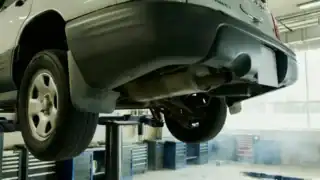
Our process starts with a test drive to isolate the symptom and confirm where the vibration or noise originates. We then lift the vehicle and inspect the entire tailshaft assembly by hand, checking for play in the universal joints, damage to the shaft itself, and security of all mounting bolts and brackets. For Lexus vehicles, we use Toyota’s service specifications and diagnostic procedures to ensure accuracy—this matters because Lexus components are built to tighter tolerances than some aftermarket alternatives.

If the shaft is serviceable, we may lubricate or replace universal joint bearings, tighten loose mounts, or replace worn centre bearings. If the shaft itself is bent or cracked, replacement is the safest option. We supply genuine Toyota or Toyota-equivalent parts that meet OEM specifications, restoring the vehicle’s original balance and durability. Our approach is always to fix what is actually broken rather than replace the whole assembly when a bearing or joint can be repaired.

What Affects Cost and Turnaround Time

Tailshaft repair costs depend on the extent of wear and which components need attention. A simple universal joint replacement or centre bearing service costs less than a full shaft replacement. Parts availability for Lexus models is generally reliable—Toyota’s supply chain is strong across Australia—so we rarely face long waits. Repair time ranges from a few hours for bearing work to a day or so if the entire shaft requires replacement, but we will confirm timing once the inspection is complete.

We use quality parts like Penrite oils and Rico-equivalent components where applicable, not the cheapest no-name stock. We will not overcharge you for labour or pressure you into unnecessary work. If the shaft can be repaired, we will say so. If it needs replacement, we will explain why and let you decide on OEM or equivalent parts based on your budget and vehicle use.

Why Choose ZP Automotive for Your Lexus in Mitchell

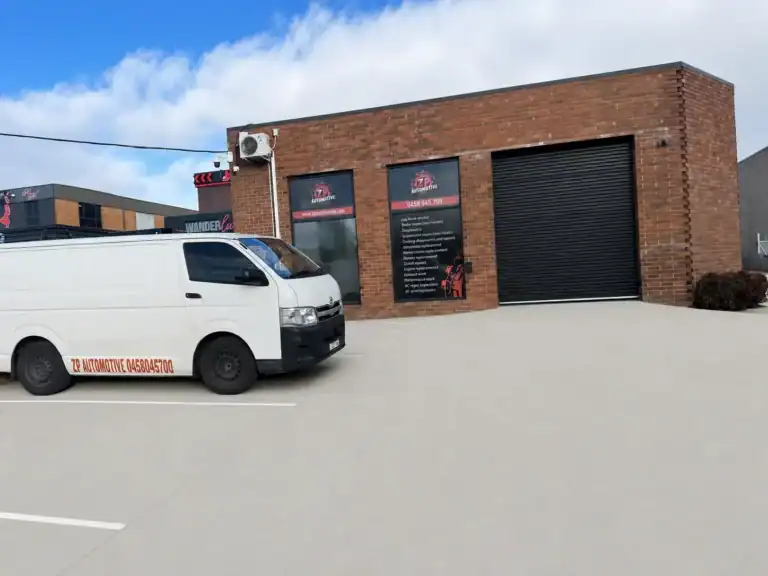
Lexus owners in Mitchell and north Canberra choose us because we deal directly with you—no service advisor scripts, no upsell pressure, just honest advice from a mechanic who has been in the trade for over a decade. We own and operate the workshop, which means your satisfaction is our reputation. We explain what is wrong, what it costs, and what can wait, so you are never surprised or unsure about the work ahead.

Your Lexus warranty stays intact when you use us for logbook servicing and repairs. We follow Toyota’s service schedules and parts standards, so independent workshop servicing does not void your cover. We have handled tailshaft diagnostics and repairs on everything from Lexus sports sedans to luxury SUVs, and we understand the specific engineering behind each model. When you bring your vehicle to us, you are dealing with experienced hands who know Lexus inside and out.

Get Your Lexus Tailshaft Checked in Mitchell

If your Lexus is vibrating, clunking, or shuddering, do not ignore it. Call & Book Now or Claim Your Free Inspection online today. We will diagnose the issue, explain what is needed, and give you a fair price for quality work. See you in Mitchell.
Honest Mechanics, Fair Prices in Mitchell

Owner-operated and family-run, we give you straight answers, quality parts, and fair pricing without the dealership markup or the upsell scripts.

You Deal With the Mechanic

Talk directly to the owner — no service advisors, no middlemen, no upsell pressure.

Quality Parts, Honest Pricing

Bring your vehicle in and we’ll assess what’s needed before any work begins.

Lexus Tailshaft Warranty

We back every Lexus tailshaft repair with confidence and proper warranty coverage.

How Lexus Tailshaft Repair Works

From inspection to collection, we handle your Lexus tailshaft repair professionally in Mitchell.

Step 1

Claim Your Free Inspection

Claim your free inspection to diagnose any tailshaft issues and get a clear repair quote.

Step 2

Tailshaft Diagnostic Assessment

We inspect the tailshaft, bearings, and universal joints using Toyota-compatible diagnostics.

Step 3

Precision Tailshaft Repair

We replace worn components using quality parts, ensuring proper balance to Lexus specifications.

Step 4

Test Drive & Handover

We test drive your Lexus to confirm smooth operation, then walk you through the work.

What Our Customers Say

5.0 (Verified Reviews)

Quality Parts From Trusted Suppliers

We use quality oils and parts from reputable suppliers — including Penrite and Rico — because what goes into your car matters as much as the work itself.

Claim Your Free Check

Fill in the form and we'll get back to you promptly — no obligation.

Booking Form
  • Vehicle Details
  • Confirm Vehicle
  • Services
  • Contact Details
No Upsell Scripts
Quality Parts Used
Plain-English Advice

Why Book With Us

Claim Your Free Inspection
Drop Off Your Car
We Get to Work
Back on the Road

Got Questions? We Have Answers

Browse the common questions below. If yours isn't listed, give us a call and we'll give you a straight answer.

A tailshaft repair addresses issues with the shaft that transfers power from your transmission to the rear wheels. Common repairs include replacing worn universal joints, fixing leaks from the bearing seals, or rebalancing the shaft if vibration has developed. We inspect the entire assembly, identify the specific problem, and carry out the necessary repair to restore smooth, quiet operation.

Cost depends on what’s wrong with the shaft and whether you need a full replacement or just a seal and joint repair. A bearing seal replacement is typically less expensive than replacing universal joints, and a complete shaft replacement costs more again. We’ll diagnose the issue, explain exactly what’s needed, and give you a transparent quote before we start work.

Listen for a rhythmic clunking or clicking from underneath the car, especially when accelerating or turning. You might feel vibration through the floor or seats at certain speeds. Leaks near the rear of the car, a grinding noise, or a shuddering sensation when taking off all point to tailshaft trouble. Don’t ignore these signs—continuing to drive can damage the transmission or rear axle.

A straightforward seal or joint repair typically takes 2-3 hours. If the shaft needs rebalancing or full replacement, allow most of a working day. We’ll give you a realistic timeframe once we’ve inspected it. If you’re in the Mitchell area, we can often fit the work around other jobs and keep you updated on progress.

Australian consumer law, as outlined by the ACCC, generally allows you to have your vehicle serviced by a qualified independent mechanic without affecting your manufacturer warranty. However, warranty terms can vary by vehicle age and coverage type. We recommend checking your specific warranty document or contacting Lexus directly to confirm your situation. We use quality parts and keep thorough service records for your protection.

Yes, we handle logbook servicing and stamp your service record to keep your manufacturer warranty intact. General guidance from the ACCC supports independent servicing maintaining warranty coverage, though you should verify your specific terms. We use quality oils and parts such as Penrite and equivalent-grade components, and keep detailed records of all work completed.

Lexus models tend to be well-built, but tailshaft wear follows typical patterns across the range. Older Lexus vehicles may develop worn universal joints or bearing seal leaks, particularly if driven regularly or over rough roads. We’ve worked on many Lexus tailshafts and know what to look for. Preventive maintenance helps catch issues early before they cause secondary damage.

Regular servicing helps catch wear early. Keep an eye out for the warning signs—vibration, clunking, or leaks. Avoid towing beyond your vehicle’s rated capacity, as overloading accelerates wear on the tailshaft. Have the shaft inspected if you’ve hit a pothole hard or experienced significant impact. Smooth, careful driving extends the life of all driveline components.

We raise the vehicle and inspect the entire driveline from the transmission flange to the rear axle. We check universal joints for play and wear, examine bearing seals for leaks, look for dents or damage to the shaft itself, and spin it by hand to feel for grinding or roughness. We’ll also test-drive to confirm any noises or vibrations you’ve reported and provide a written assessment of findings.

There’s no fixed interval, but include a visual tailshaft check as part of your regular servicing routine. If you notice any warning signs—clunking, vibration, or leaks—have it inspected straight away. High-mileage vehicles, those that tow regularly, or cars that’ve endured rough road conditions benefit from more frequent checks. Early detection of wear prevents costly damage to the transmission and rear axle.

Continue to site