Owner-Operated Workshop
Quality Parts & Oils
5.0★ Rating
Transparent Pricing

5.0 (Verified Reviews)

Trusted Holden Tailshaft Repair In Mitchell

Tailshaft damage affects your Holden's handling and safety. We diagnose the issue, explain your options, and get you back on the road with quality parts and fair pricing.

Honest Advice

Quality Parts

5.0★ Rating

Holden Tailshaft Repair

Claim Your Free Check

Fill in the form and we'll get back to you promptly — no obligation.

Booking Form
  • Vehicle Details
  • Confirm Vehicle
  • Services
  • Contact Details
No Upsell Scripts
Quality Parts Used
Plain-English Advice

Why Book With Us

Claim Your Free Inspection
Drop Off Your Car
We Get to Work
Back on the Road

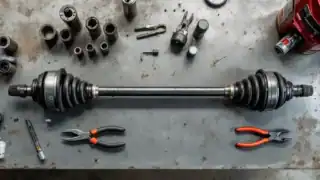
A tailshaft carries engine torque from your transmission down to the rear differential, spinning thousands of times per journey. When a Holden tailshaft fails or develops problems, your vehicle loses drive entirely or becomes unsafe to operate. Holden tailshaft repair in Mitchell requires proper diagnosis to identify whether the issue is worn bearings, U-joint damage, runout, or seal failure — each demands a different repair approach. We inspect the full assembly, not just the symptom, so you understand exactly what’s wrong and what it’ll take to fix it.

Signs Your Holden Tailshaft Needs Attention

Tailshaft problems usually announce themselves before a complete failure. Watch for these warning signs:

  • Clunking or banging from underneath when you accelerate or change gear
  • Vibration that increases with speed and feels like it’s coming from the centre of the vehicle
  • A grinding or squeaking noise that gets worse during turning
  • Loss of drive with no other engine warning lights
  • Visible rust, scoring, or leaking oil around the tailshaft supports or bearings

Holden models like the Commodore, Colorado, and Captiva use different tailshaft designs depending on generation and drivetrain type. A two-wheel-drive sedan bears different stresses than a four-wheel-drive ute. The symptoms you hear matter less than what the inspection reveals — a dull vibration might be a worn U-joint, or it could be tailshaft runout that only shows up under load.

How We Diagnose and Repair Holden Tailshaft Issues

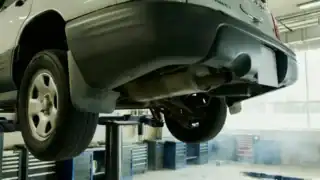
Proper tailshaft repair starts with a full assembly lift and visual inspection. We rotate the shaft by hand to feel for play, check bearing surfaces for wear, and measure runout with precision tools. On Holdens, we cross-reference the original OEM specifications — Holden tailshafts are engineered to tight tolerances, and even small deviations can cause the vibration or noise you’re feeling.

Once we’ve identified the fault, repair options depend on what we find. A worn U-joint can sometimes be replaced without removing the entire shaft. Bearing failure or seal leaks usually require shaft removal and either bearing replacement or full refurbishment. If the shaft itself is bent or cracked, we’ll discuss whether repair or replacement makes economic sense. Holden genuine or quality equivalent components hold up far better than economy parts in this application.

We never assume you need a complete new shaft when a bearing or joint swap will do the job. Being honest about scope keeps your costs down and your car on the road sooner.

What Affects Cost and Time for Your Tailshaft Repair

Tailshaft work is labour-intensive but not necessarily expensive. Several factors shape the final bill. First, access. Some Holden models require removing the exhaust or transmission tunnel panels to reach the shaft properly. Second, the part itself. If only a U-joint needs replacing, the cost is moderate. If the shaft is damaged or bearings are worn beyond repair, replacement cost rises. Third, parts availability. OEM Holden tailshafts may require ordering, adding a day or two to the job.

Turnaround typically ranges from one day for a joint replacement to three days if the shaft must be specially ordered or sent for machine work. We always confirm parts availability and lead time before you commit, so no surprises when you come to collect your vehicle.

We use quality parts and honest labour rates — not dealership pricing, but not cut-rate no-name stock either. Your tailshaft carries your vehicle’s power safely; it deserves reliable components that will last.

Why Independent Holden Repair in Mitchell Works Better

Dealership service departments charge premium labour rates and often replace entire assemblies when repair is possible. We diagnose the actual problem, explain your options, and let you decide whether to repair or replace. You work directly with the mechanic doing the work — no service advisor, no upsell scripts, no pressure to spend more than necessary.

With 10 years in the trade, we’ve rebuilt and repaired Holden tailshafts across every generation and model sold in Canberra. We know which Holden designs run tough and which components wear sooner. We specify parts that match OEM performance — Penrite oils, quality bearings and seals — because your Holden’s reliability depends on parts that are fit for the job.

Logbook servicing and regular maintenance catch many tailshaft issues early, before they become major repairs. If you’re keeping your Holden on warranty or simply want transparent, honest advice about what your vehicle actually needs, that’s what we deliver.

Book Your Holden Tailshaft Inspection in Mitchell Today

If you’ve noticed clunking, vibration, or grinding from beneath your Holden, we can help. Call & Book Now to discuss the symptoms you’ve noticed, or Claim Your Free Inspection and we’ll lift the vehicle, inspect the tailshaft assembly, and explain what we find in plain language. No jargon, no surprises — just honest diagnosis from a workshop that’s been servicing Holden owners in Mitchell for over a decade.
Honest Mechanics, Fair Prices in Mitchell

Owner-operated and family-run, we give you straight answers, quality parts, and fair pricing without the dealership markup or the upsell scripts.

You Deal With the Mechanic

Talk directly to the owner — no service advisors, no middlemen, no upsell pressure.

Quality Parts, Honest Pricing

Bring your vehicle in and we’ll assess what’s needed before any work begins.

Holden-Specific Tooling

We use proper Holden diagnostic equipment to get tailshaft repairs right first time.

How Holden Tailshaft Repair Works

We diagnose, repair, and test your Holden tailshaft to restore smooth, vibration-free driving.

Step 1

Claim Your Free Inspection

Claim your free inspection to diagnose tailshaft vibration, noise, or clunking and get expert advice.

Step 2

Tailshaft Diagnosis & Assessment

We inspect the tailshaft, check bearings and U-joints, and test for play and imbalance.

Step 3

Tailshaft Repair or Replacement

We repair worn joints, replace bearings, or fit a new shaft using quality Holden-compatible parts.

Step 4

Test & Collection

We test-drive to confirm smooth operation, then you collect your Holden ready for the road.

What Our Customers Say

5.0 (Verified Reviews)

Quality Parts From Trusted Suppliers

We use quality oils and parts from reputable suppliers — including Penrite and Rico — because what goes into your car matters as much as the work itself.

Claim Your Free Check

Fill in the form and we'll get back to you promptly — no obligation.

Booking Form
  • Vehicle Details
  • Confirm Vehicle
  • Services
  • Contact Details
No Upsell Scripts
Quality Parts Used
Plain-English Advice

Why Book With Us

Claim Your Free Inspection
Drop Off Your Car
We Get to Work
Back on the Road

Got Questions? We Have Answers

Browse the common questions below. If yours isn't listed, give us a call and we'll give you a straight answer.

A tailshaft repair typically involves inspecting the shaft for wear, damage, or misalignment, then either repairing or replacing worn components like bearings, seals, or the shaft itself. We lift the vehicle, remove the tailshaft carefully, assess the damage, and either machine or replace parts as needed. Once repaired or replaced, we reinstall and test to ensure smooth, vibration-free operation.

Common warning signs include a vibration or clunking sound from underneath the car, especially when accelerating or turning, and a grinding or squealing noise from the rear. You might also feel the vibration through the steering wheel or seat. If you notice any of these, have the vehicle inspected soon. Driving with a damaged tailshaft can affect handling and safety.

Repair time varies depending on the damage. A straightforward inspection and diagnosis usually takes 1-2 hours. If we’re replacing seals or bearings, expect 2-4 hours total. Full shaft replacement or machining takes longer. We’ll give you a clear timeframe after the inspection so you know what to expect and can plan accordingly.

No. Under Australian consumer law, independent servicing by qualified mechanics does not automatically void your manufacturer warranty. Holden must honour coverage for faults unrelated to the service performed. That said, check your specific warranty documents or contact your dealer if you’re unsure about coverage for a particular fault. We’re happy to discuss this before you book.

Tailshaft failure usually stems from normal wear over time, loss of lubrication in the bearings or universal joints, damage from hitting a pothole or debris, or misalignment from suspension work. Driving with poor suspension can accelerate tailshaft wear. Regular inspections help catch early signs before catastrophic failure occurs.

Not for long. Vibration signals worn bearings or joints. Continued driving can cause the shaft to fail suddenly, leaving you stranded. In rare cases, a broken tailshaft can drop and create a hazard. If you notice vibration, have it inspected promptly. ZP Automotive in Mitchell can fit you in quickly to diagnose the issue.

We use quality parts suited to each job. For some repairs we fit genuine Holden components; for others, high-quality equivalent parts that meet or exceed OEM standards are the practical choice. We’ll explain what we’re fitting and why before we start work, so you know exactly what goes into your vehicle.

Sometimes yes, sometimes no. If damage is limited to seals, bearings, or universal joints, we can often repair the shaft at lower cost. If the shaft itself is bent, severely worn, or cracked, replacement is safer and more reliable long-term. The inspection determines which approach makes sense for your vehicle.

Ignoring the noise risks complete failure. A worn bearing or joint will eventually collapse, causing the shaft to bind or break. You’ll lose drive to the wheels and could be stranded. Repairs needed after complete failure cost more than addressing the issue early. Don’t delay getting it checked.

Tailshafts don’t require routine servicing like engines or brakes, but they should be inspected as part of regular vehicle checks, especially if you’ve clocked up high kilometres or driven on rough roads. If you notice vibration, noise, or clunking, have it inspected straight away. We’ll assess the condition during any major service.

Continue to site