Owner-Operated Workshop
Quality Parts & Oils
5.0★ Rating
Transparent Pricing

5.0 (Verified Reviews)

Reliable Mg Tailshaft Repair In Mitchell

We diagnose and repair MG tailshaft issues causing vibration, noise, or driveline clunking. Direct service with fair pricing and honest advice from our mechanic.

Honest Advice

Quality Parts

5.0★ Rating

MG Tailshaft Specialists

Claim Your Free Check

Fill in the form and we'll get back to you promptly — no obligation.

Booking Form
  • Vehicle Details
  • Confirm Vehicle
  • Services
  • Contact Details
No Upsell Scripts
Quality Parts Used
Plain-English Advice

Why Book With Us

Claim Your Free Inspection
Drop Off Your Car
We Get to Work
Back on the Road

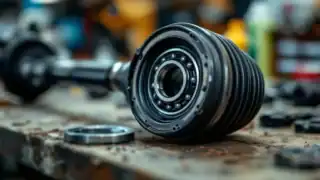
A tailshaft connects your transmission to the rear differential, transferring engine power to drive your wheels. On an MG, the tailshaft (also called a propshaft or driveshaft on some models) is a critical component that bears significant rotational stress, especially during acceleration, cornering, and towing. MG tailshaft repair in Mitchell becomes necessary when wear, damage, or imbalance develops. Understanding what causes tailshaft problems and how to recognise them early can save you from a breakdown and costly secondary damage to the transmission or differential.

Common Signs Your MG Tailshaft Needs Repair

Tailshaft damage doesn’t always announce itself loudly, but several warning signs should prompt a professional inspection. The most obvious is a persistent vibration felt through the floor of the cabin or steering wheel, especially noticeable at highway speeds. This vibration typically worsens as you accelerate and may ease off at lower speeds. You might also hear clunking or banging sounds from underneath the vehicle when you shift into drive or reverse, or feel a sudden loss of power transmission to the rear wheels.

Another common symptom is excessive play or movement in the tailshaft itself. If you get underneath the vehicle or have a mechanic inspect it, a worn universal joint (U-joint) will show side-to-side or up-and-down movement where it shouldn’t. On MG models, the centre bearing (where the tailshaft is supported in the middle of the vehicle) can also wear, leading to sagging or misalignment of the shaft. If left unchecked, a failing tailshaft can damage the transmission mounting, differential seals, or even cause the shaft to separate completely.

  • Vibration at speed, particularly above 80 km/h
  • Clunking or banging when shifting gears
  • Loss of drive or hesitation when accelerating
  • Visible rust, bending, or scoring on the shaft itself
  • Whining or grinding noise from beneath the car
  • Leaking differential fluid near the tailshaft connection

MG Tailshaft Repair: What We Inspect and Repair

When you bring your MG in for tailshaft assessment at our Mitchell workshop, we start with a thorough visual inspection. We look for obvious signs of damage, corrosion, or scoring on the shaft surface. We check the condition of the universal joints at both ends, testing for wear by attempting to move them by hand. We also inspect the centre bearing support, rear coupling, and the seals where the shaft connects to the transmission and differential.

If wear is confirmed, repair options depend on the extent of damage. For minor wear affecting only a U-joint, we can often replace just that joint rather than the entire shaft, keeping your cost down. For more severe damage, misalignment, or bending, shaft replacement becomes necessary. We use genuine MG-equivalent parts or quality aftermarket alternatives that match OEM specifications, ensuring the replacement shaft is balanced and aligned correctly to prevent future vibration.

The repair process involves safely removing the shaft from under the vehicle, disconnecting it from both the transmission and differential flanges. Once removed, we inspect the mounting points and seals for secondary damage. We then install the repaired or replacement component, ensuring proper torque on all fasteners and correct alignment. After installation, we perform a road test to confirm vibration is gone and drive feels smooth.

MG Tailshaft Repair Cost and Repair Time in Mitchell

Several factors influence how much work is involved and how long your MG tailshaft repair will take. The extent of damage is the primary driver. A single U-joint replacement is quicker and less expensive than a full shaft replacement. Whether the centre bearing needs attention also affects complexity. Availability of parts matters too; genuine MG components may take longer to source than quality aftermarket equivalents, though both meet the same performance standards.

The condition of associated components plays a role as well. If the transmission seal or differential seals have already begun leaking because of a worn tailshaft, those may need attention during the repair. Additionally, corrosion or stubborn fasteners can add time to removal and reinstallation. We’re transparent about these variables upfront, so you know exactly what’s involved before we start work.

Why Choose Our Mitchell Workshop for Your MG Tailshaft Repair

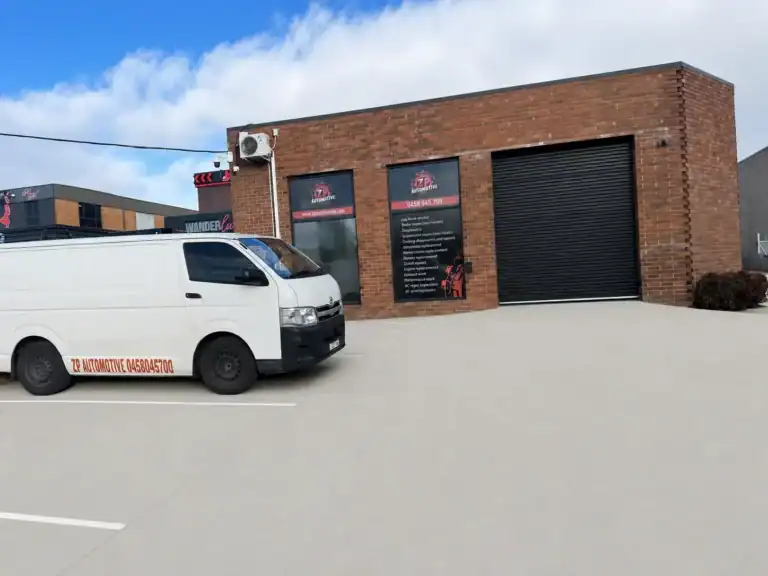
We’re an independent, family-run workshop owned and operated by Brendan, who has over 10 years of hands-on experience in the trade. Unlike dealership service departments, you deal directly with the mechanic doing your work. There’s no service advisor upselling unnecessary parts, no dealership labour rates, and no corporate overhead padding your invoice. We use quality parts and oils including Penrite and Rico, not the cheapest no-name stock that fails early.

Our approach to MG tailshaft repair is honest and plain-English. We explain what’s wrong, what it’ll cost, and what can wait. If your repair qualifies for logbook servicing, we ensure your work is documented to keep your manufacturer warranty intact. Whether you’re running scheduled maintenance or sorting out a driveline fault, you’ll get fair, transparent pricing and genuine advice from someone who understands MGs and the road conditions around the Mitchell area. We also offer logbook servicing, engine diagnostics, air conditioning servicing, and wrong-fuel recovery if you need other support.

Next Steps: Get Your MG Tailshaft Checked Today

If you’re noticing vibration, clunking, or any of the symptoms described above, don’t wait for the problem to worsen. Call us using the link on this page and use our booking system to claim your free inspection. We’ll assess your tailshaft, explain what needs doing, and give you a clear, honest quote before any work begins. Come in and chat with Brendan about your MG’s driveline health.
Other Services

Whatever your needs we have you covered, see some similar services below or click "See All Services" to explore our full service offering.

Honest Mechanics, Fair Prices in Mitchell

Owner-operated and family-run, we give you straight answers, quality parts, and fair pricing without the dealership markup or the upsell scripts.

You Deal With the Mechanic

Talk directly to the owner — no service advisors, no middlemen, no upsell pressure.

Quality Parts, Honest Pricing

Bring your vehicle in and we’ll assess what’s needed before any work begins.

MG-Specific Diagnostics & Repair

We diagnose and repair MG tailshafts with make-specific knowledge and tooling.

How MG Tailshaft Repair Works

We diagnose and repair your MG tailshaft from inspection through to collection.

Step 1

Claim Your Free Inspection

Claim your free inspection to diagnose any tailshaft issues and get a clear picture of what's needed.

Step 2

MG Tailshaft Diagnostic Check

We inspect the shaft, bearings, and mounts, checking for wear, damage, and alignment issues.

Step 3

Tailshaft Repair or Replacement

We repair or replace the shaft using quality parts and precise assembly to restore power delivery.

Step 4

Test Drive and Collection

After a test drive to verify smooth operation, we contact you and have your MG ready for collection.

What Our Customers Say

5.0 (Verified Reviews)

Quality Parts From Trusted Suppliers

We use quality oils and parts from reputable suppliers — including Penrite and Rico — because what goes into your car matters as much as the work itself.

Claim Your Free Check

Fill in the form and we'll get back to you promptly — no obligation.

Booking Form
  • Vehicle Details
  • Confirm Vehicle
  • Services
  • Contact Details
No Upsell Scripts
Quality Parts Used
Plain-English Advice

Why Book With Us

Claim Your Free Inspection
Drop Off Your Car
We Get to Work
Back on the Road

Got Questions? We Have Answers

Browse the common questions below. If yours isn't listed, give us a call and we'll give you a straight answer.

Your tailshaft connects the transmission to the rear differential and transfers power to your wheels. It’s a critical drivetrain component that can wear out, develop vibrations, or become damaged from hitting potholes or rough roads. When it fails, you’ll lose power to the rear wheels or experience severe vibration. Tailshaft repair restores safe power delivery and smooth driving.

Common signs include a vibration you feel through the car or steering wheel, clunking noises from underneath when accelerating or decelerating, and loss of drive to the rear wheels. You might also notice the car feels unbalanced or hear a grinding sound. If you notice any of these symptoms, have it inspected promptly. Driving on a damaged tailshaft can cause further damage to the transmission or differential.

Simple repairs like replacing bearings or u-joints typically take 1-2 hours. A full tailshaft replacement usually takes 2-3 hours depending on how difficult it is to remove and install. We’ll give you a clear timeframe once we’ve inspected your vehicle and identified the exact issue. Most jobs can be completed the same day.

We lift the car safely, remove the tailshaft by unbolting it from the transmission and differential, then inspect it for damage to bearings, u-joints, or the shaft itself. Damaged components are repaired or replaced with quality parts. The tailshaft is then reinstalled and torqued to specification, and we test drive to confirm smooth operation and no vibration.

If your tailshaft is severely damaged, you may lose drive entirely and the car won’t move. Minor damage might allow short trips, but continuing to drive puts stress on the transmission and differential, risking much costlier repairs. It’s safer and cheaper to have it repaired promptly rather than risk compounding the problem.

We use quality OEM-equivalent and aftermarket parts that meet or exceed MG specifications. We don’t fit cheap no-name stock. For your MG, we source components from reliable manufacturers that ensure durability and proper fit. We’ll discuss parts options and quality with you before we start work, so you know exactly what you’re getting.

Australian consumer law under ACCC guidance generally supports vehicle owners having their cars serviced and repaired by qualified independent mechanics without affecting manufacturer warranty. However, warranty terms vary by brand and age of vehicle. We recommend checking your specific warranty documents or contacting MG directly to confirm your situation. We’re happy to discuss this with you before work begins.

Tailshafts fail from wear over time, impact damage from rough roads or potholes, bearing degradation, u-joint corrosion, or misalignment from suspension issues. Poor maintenance or driving with existing problems accelerates failure. Regular inspections help catch wear early before it becomes a safety issue or leads to more expensive damage downstream.

Cost depends on what’s wrong, what parts are needed, and your vehicle model. A bearing or u-joint replacement is less expensive than a full shaft replacement. We inspect your vehicle thoroughly and give you a clear quote before starting work, so you’ll know exactly what you’re paying for. We don’t charge dealership labour rates and keep pricing fair without hidden surprises.

Yes. A failing tailshaft creates vibrations that can damage the transmission mount, rear suspension components, and the differential. It can also put strain on engine and transmission mounts. Addressing tailshaft issues early prevents a small repair from becoming an expensive cascade of failures. Regular inspections catch problems before they spread.

Most vehicles benefit from a tailshaft inspection as part of routine servicing, especially if you’ve noticed any vibration or noise. There’s no strict schedule, but if your car has high kilometres or you drive on rough roads regularly, an inspection every year or two is sensible. We’re happy to check it during your next visit to our Mitchell workshop if you’re concerned.

If you lose drive completely or hear severe noise, pull over safely and call for roadside assistance or a tow truck. Don’t attempt to drive further, as you risk damaging the transmission or differential. Once safely recovered, we can diagnose the damage and advise on repair options. ZP Automotive can help arrange rapid recovery if needed.

Continue to site