Owner-Operated Workshop
Quality Parts & Oils
5★ Reviews
Transparent Pricing

Verified 5★ Reviews

Top Rated Mitsubishi Tailshaft Repair In Mitchell

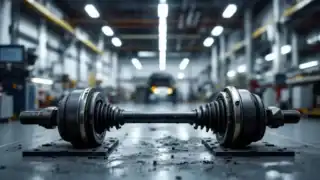
Tailshaft damage or vibration can leave you stranded. We inspect, repair and rebalance your Mitsubishi tailshaft to factory spec, then test it properly before you drive.

Honest Advice

Quality Parts

5★ Reviews

Mitsubishi Tailshaft Experts

Claim Your Free Check

Fill in the form and we'll get back to you promptly — no obligation.

Booking Form
  • Vehicle Details
  • Confirm Vehicle
  • Services
  • Contact Details
No Upsell Scripts
Quality Parts Used
Plain-English Advice

Why Book With Us

Claim Your Free Inspection
Drop Off Your Car
We Get to Work
Back on the Road

A failing tailshaft is one of those problems that rarely announces itself gently. You’ll hear it before you feel it — a clunking or vibration that seems to come from underneath the car, especially when accelerating or turning. Mitsubishi Tailshaft Repair in Mitchell addresses one of the most overlooked components in vehicle drivetrain maintenance. The tailshaft (also called a propshaft or driveshaft) connects your transmission to the rear differential, and when it starts to wear, the whole drivetrain suffers. We see this issue regularly on Mitsubishi models, and catching it early prevents damage to the gearbox and differential that costs far more to fix.

Signs Your Mitsubishi Tailshaft Needs Repair

Tailshaft wear shows itself in specific ways. The most common symptom is a metallic clunking sound from underneath when you accelerate hard or shift into reverse. You might feel a vibration through the car, especially at highway speeds, that gets worse as the problem develops. Some drivers notice the car feels less responsive when pulling away from a stop, as if power is being lost somewhere in the drivetrain. Occasionally you’ll see a small amount of oil on the driveway under the rear axle, which suggests a worn tailshaft bearing or seal is leaking.

On Mitsubishi vehicles specifically, tailshaft problems sometimes emerge after high-mileage or heavy towing use. The constant rotational stress on the universal joints and bearings takes its toll, and Mitsubishi’s engineering means the wear pattern is fairly predictable once you know what to look for. If your Tailshaft Repair is urgent, these symptoms will worsen rapidly — what starts as a minor clunk becomes a constant vibration that makes the car unsafe to drive.

How We Diagnose and Repair Your Tailshaft

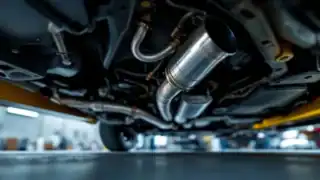
Our approach to Mitsubishi tailshaft repair starts with a thorough inspection. We lift the car safely and rotate the tailshaft by hand while watching for excessive play in the universal joints. We also check the bearings at each end for wear and listen for grinding or clicking noises. If the shaft itself is bent (which can happen after an impact or severe pothole), it becomes immediately obvious during this rotation test.

For Mitsubishi models, we follow the manufacturer’s service specifications closely. OEM tailshafts for Mitsubishi vehicles are engineered to precise tolerances, and we source parts that meet or exceed those standards rather than settling for generic aftermarket equivalents. We inspect the mounting points where the tailshaft connects to the transmission and differential — if those are damaged or worn, the repair becomes more involved.

Once diagnosis is complete, repair options depend on what we find. A worn universal joint often means replacing the entire tailshaft assembly rather than attempting a joint-only repair, because a partial fix rarely holds long-term. We remove the old shaft, fit the new one, and torque all fasteners to Mitsubishi specifications. Then we rotate the drivetrain by hand to ensure smooth operation before lowering the vehicle.

What Affects the Cost and Timeframe

Tailshaft repair costs and time depend on a few factors. The condition of the mounting points matters — if the transmission or differential flanges are damaged, we’ll need to address those before fitting the new shaft. Parts availability plays a role too. Genuine Mitsubishi tailshafts are usually available within a few days, though some model variants take longer to source. We always confirm availability and lead time with you before starting work.

Labour time is typically straightforward — removal and refitting usually takes a few hours. What extends the job is if we discover secondary damage during inspection, like worn differential bearings or a leaking transmission seal that’s contributed to the tailshaft failure. We’ll flag these issues and discuss options with you before proceeding, so you’re never surprised by the final bill.

Why Mitsubishi Owners Choose ZP Automotive in Mitchell for Tailshaft Repair

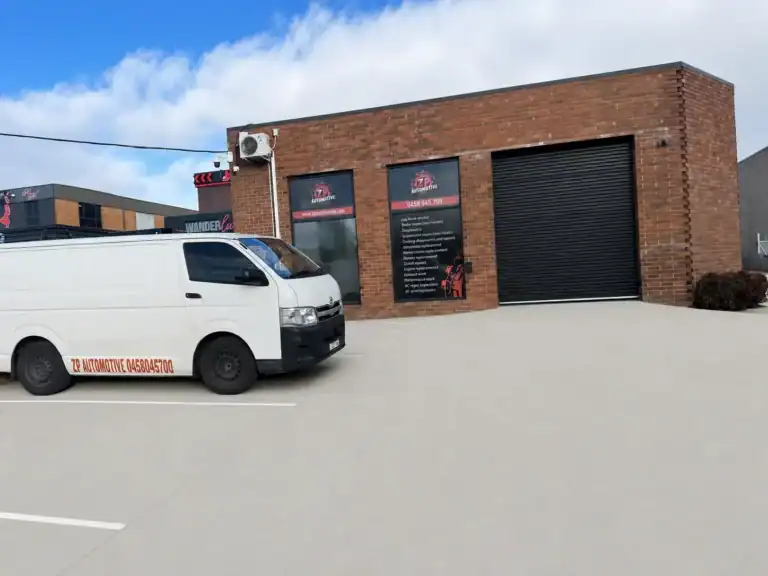
ZP Automotive is an owner-operated workshop in Mitchell with over 10 years of experience in the trade. We know Mitsubishi drivetrains inside out, and we source quality parts that last — not the cheapest no-name stock. You deal directly with the mechanic doing the work, which means you get honest advice about whether repair or replacement makes sense for your car, and no upsell scripts.

We also understand that Mitsubishi owners often put genuine kilometres on their vehicles, whether that’s towing, off-road work, or long commutes. A tailshaft problem hits at the wrong time. We prioritise these jobs and keep costs transparent. Fair pricing without dealership labour rates, and we explain exactly what we’re doing and why before we do it. Our 5.0 verified reviews reflect the straightforward service you’ll receive when you bring your car in.

Ready to Get Your Mitsubishi Back on the Road

If you’re hearing clunking sounds or feeling vibration from under your Mitsubishi, the tailshaft needs a professional inspection soon. Call and Book Now or Claim Your Free Inspection online — we’ll have a clear answer about what’s wrong and what it’ll cost to fix. ZP Automotive services Mitchell and the surrounding areas, and we’re here to get your car running smoothly again.
Honest Mechanics, Fair Prices in Mitchell

Owner-operated and family-run, we give you straight answers, quality parts, and fair pricing without the dealership markup or the upsell scripts.

You Deal With the Mechanic

Talk directly to the owner — no service advisors, no middlemen, no upsell pressure.

Quality Parts, Honest Pricing

Bring your vehicle in and we’ll assess what’s needed before any work begins.

Mitsubishi-Specific Repair

We repair Mitsubishi tailshafts with make-specific knowledge and proper tooling.

How Mitsubishi Tailshaft Repair Works

Get your Mitsubishi tailshaft diagnosed, repaired, and back on the road with our straightforward process.

Step 1

Claim Your Free Inspection

Claim your free inspection to diagnose tailshaft wear and get a clear picture of what's needed.

Step 2

Tailshaft Diagnosis & Assessment

We inspect your Mitsubishi's tailshaft, bearings, and centre support for wear, damage, and alignment.

Step 3

Tailshaft Repair & Replacement

We repair or replace worn components using quality parts to Mitsubishi specifications for safe operation.

Step 4

Test Drive & Collection

We test drive your vehicle to confirm the repair, then you collect it ready for the road.

What Our Customers Say

Verified 5★ Reviews

Quality Parts From Trusted Suppliers

We use quality oils and parts from reputable suppliers — including Penrite and Rico — because what goes into your car matters as much as the work itself.

Claim Your Free Check

Fill in the form and we'll get back to you promptly — no obligation.

Booking Form
  • Vehicle Details
  • Confirm Vehicle
  • Services
  • Contact Details
No Upsell Scripts
Quality Parts Used
Plain-English Advice

Why Book With Us

Claim Your Free Inspection
Drop Off Your Car
We Get to Work
Back on the Road

Got Questions? We Have Answers

Browse the common questions below. If yours isn't listed, give us a call and we'll give you a straight answer.

Your tailshaft transfers engine power to the rear wheels. It contains bearings and joints that wear over time, causing vibration, clunking noises, or grinding sounds. Mitsubishi Tailshaft Repair addresses worn bearings, damaged joints, or bent shafts before they cause complete failure. Ignoring these symptoms can lead to sudden loss of power to the wheels, leaving you stranded. We inspect the entire assembly and repair or replace damaged components to restore smooth power delivery.

Common warning signs include a vibration or shuddering when accelerating, clunking or grinding noises from underneath the car, visible play in the shaft when the car is jacked up, or a grinding sensation through the steering wheel. You might also notice the problem worse when turning corners. These symptoms typically get worse over time. If you notice any of these, bring your car in for an inspection. Catching it early can prevent more expensive damage to the gearbox or rear axle.

It is not safe to drive for extended periods with a damaged tailshaft. A worn bearing or cracked joint can fail suddenly, leaving you without power to the rear wheels. This creates loss of control, especially in heavy traffic or on motorways. A short trip to a mechanic is acceptable, but do not delay repair. We can usually fit you in promptly for an inspection. Contact us as soon as you notice symptoms.

Diagnosis and inspection typically take 30 to 60 minutes. The actual repair time depends on what needs fixing: bearing replacement is usually 2 to 4 hours, while joint replacement may take longer. If the shaft needs replacement, allow 3 to 5 hours. We’ll give you a clear timeframe once we’ve inspected it, so you know exactly when to pick up your car. Most repairs in Mitchell are completed same-day or next-day, depending on parts availability.

We use quality parts and OEM-equivalent components that meet Mitsubishi specifications. We don’t use cheap no-name stock; we fit trusted brands that deliver reliability. Genuine Mitsubishi parts are available if needed, though equivalent aftermarket parts often deliver the same reliability at fairer cost. We’ll discuss your options upfront so you understand what’s going in and why. All parts carry warranties, and we guarantee the workmanship on every repair.

Under Australian consumer law and ACCC guidance, having independent mechanics service your vehicle generally does not void your manufacturer warranty, provided the repair is carried out properly and parts are suitable. This is general information only; we recommend checking your specific warranty documents or contacting Mitsubishi directly if you’re unsure about your coverage. We keep full service records showing what was done and what parts were fitted, which protects your position if any warranty claim arises later.

Mitsubishi tailshafts wear mainly from normal use, but several factors speed this up: poor road surfaces, towing loads beyond the vehicle’s rating, impacts from potholes or speed humps, and lack of maintenance. Age and high mileage naturally degrade bearings and joints. Aggressive acceleration or hard cornering stresses the shaft joints. Regular servicing and inspections help catch wear early, before failure occurs. We see this regularly in Mitsubishi utes and SUVs used for work or towing.

We jack the car safely and rotate the tailshaft by hand to feel for play or resistance. We inspect all joints, bearings, and the shaft itself for cracks, bending, or wear. We check the centre bearing (if your model has one) and examine where the shaft meets the gearbox and rear axle. We listen for grinding or clicking noises and assess the condition of rubber mounts. Once done, we explain exactly what we found, what needs fixing now, and what can wait. You’ll have clear information before we start any work.

Tailshafts don’t require routine servicing like oil changes, but they should be inspected annually or every 20,000 kilometres, whichever comes first. If you tow regularly or drive on rough roads, inspect more frequently. Most people only notice problems when symptoms appear, which is why paying attention to warning signs is important. If you hear grinding noises or feel vibration, book an inspection immediately rather than waiting for the next scheduled service.

A slightly bent shaft can sometimes be straightened, though this depends on the severity and location of the bend. Hairline cracks cannot be reliably repaired and require replacement. A shaft bent from impact or towing stress is usually safer to replace than repair, as straightening may weaken the metal. We’ll assess the damage during inspection and recommend the safest and most cost-effective option. Replacement parts are readily available for Mitsubishi models.

These terms are often used interchangeably in Australia. The tailshaft typically refers to the section between the gearbox and the rear axle in rear-wheel-drive vehicles. A driveshaft is the general term for any shaft that transmits power. On front-wheel-drive cars, we call them axle shafts or CV shafts instead. All these components do the same job: transfer engine power to the wheels. Understanding which component is faulty helps us diagnose and repair the right part.

Vibration at highway speeds often indicates tailshaft problems, particularly an unbalanced or bent shaft, worn centre bearing, or damaged joint. Other causes include worn tyres, wheel imbalance, or suspension issues. A tailshaft out of balance creates noticeable shuddering above certain speeds. We can diagnose the source by inspecting the tailshaft and checking other components. If it’s tailshaft-related, we’ll address it promptly. Ignoring highway vibration can lead to further damage.

Continue to site