Your Jeep’s transmission relies on clean fluid to shift smoothly, cool the drivetrain, and keep internal components lubricated. Over time, that fluid breaks down from heat cycles, picks up metal particles and contaminants, and loses its ability to protect. A Jeep transmission fluid change replaces old fluid with fresh, spec-correct fluid and often includes a new filter. It’s one of those services that doesn’t shout for attention the way brake pads do, but skipping it can lead to rough shifting, delayed engagement, or costly transmission repairs down the line. If you’re running a Jeep in Mitchell or nearby, keeping your transmission fluid fresh is a straightforward way to avoid that risk.
Signs Your Jeep Transmission Fluid Needs Attention
Unlike an oil change, which follows a strict mileage interval, transmission fluid problems often announce themselves through how your Jeep behaves. Watch for these warning signs:
- Delayed or sluggish shifts, especially when the engine is cold or during heavy throttle
- A grinding or whining noise from the transmission area that changes pitch with throttle
- A burning smell, which points to overheating fluid or friction inside the transmission
- The gear shift lever feels stiff or hard to move through gates
- Your transmission is slipping between gears or hunting for the right gear on acceleration
- Fluid level is low on the dipstick, or the fluid appears dark brown or black instead of bright red
Even without obvious symptoms, Jeep automatic transmission fluid change intervals vary by model and driving conditions. Some models recommend fluid inspection or replacement at 60,000 kilometres, others at 80,000 kilometres, and many newer Jeeps use a condition-based approach where the onboard computer flags service when it detects degradation. Towing, frequent short trips, or stop-start driving in traffic accelerates fluid breakdown. If you’re unsure where your Jeep sits on the schedule, bring your service history in and we’ll check what Jeep’s specs call for.
What Happens During a Jeep Transmission Fluid Change
Our approach starts with a thorough inspection of your transmission’s current state. We pull the dipstick or use Jeep’s diagnostic port to assess fluid condition, colour, and smell. We check for leaks around the pan gasket, seals, and cooler lines, because a slow leak can lower fluid level and cause bigger problems. If your Jeep has a transmission filter, we plan to replace it at the same time, since a clogged filter starves the system of flow and pressure.
The fluid itself comes in different viscosities and formulations depending on your Jeep model. We use fluids that match Jeep’s OEM specifications, not generic ATF off the shelf. For example, some Jeeps require Mopar ATF Plus, others call for different spec fluids suited to their transmission’s friction modifiers and thermal stability. Using the right fluid matters more than many drivers realise, because the wrong spec can alter shift feel, increase transmission temperature, and reduce component lifespan.
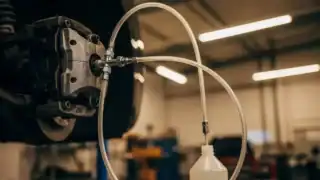
The actual change varies by model. Some transmissions have a drain plug at the pan; others require dropping the pan entirely to access the filter. We drain old fluid, inspect the pan for metal slivers (a sign of internal wear), clean or replace the filter, reinstall or reseal the pan, and refill to the correct level with fresh fluid. On some Jeeps, we’ll road-test afterward to feel the shift quality and confirm the system is working as it should. We’ll also check for any transmission-related warning lights on your dashboard.
What Affects the Time and Cost of This Service
A straightforward transmission fluid and filter change usually takes 60 to 90 minutes, depending on your Jeep’s layout and whether the pan needs to come off or just the drain plug can be accessed. However, timing can stretch if we discover a leak, a stuck drain plug, or a damaged filter housing. Metal shavings in the pan might prompt a more thorough flush, and any leaking seals we spot will need addressing to prevent future fluid loss.
Cost depends on a few variables. The type of fluid your Jeep requires affects parts cost. A complete pan-off service with filter replacement costs more than a drain-plug-only fluid swap, but it’s more thorough. If cooler lines or seals need replacement, that adds to the bill. We use quality fluids and filters from suppliers we trust, not cheap equivalents that might fail early. We’ll always explain what we find and quote the work upfront so you’re not surprised.
Why Choose ZP Automotive in Mitchell for Jeep Transmission Service
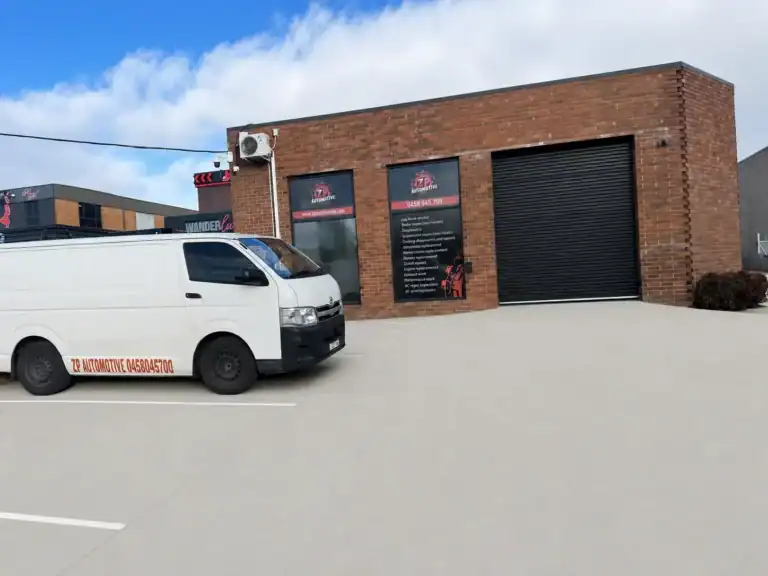
We’re an independent workshop in Mitchell run by Brendan, who’s been working on vehicles for over 10 years. We deal directly with Jeep owners, not through a service adviser trying to upsell extras. That means we explain what your Jeep actually needs, what it’ll cost, and what can wait. We use quality fluids and oils like Penrite, not the cheapest no-name stock that might save a few dollars but cuts corners on performance and lifespan.
Logbook servicing keeps your manufacturer warranty intact, and that applies to transmission service too. Many owners worry that using an independent workshop voids their new-car warranty, but that’s a myth. As long as the work is done to OEM specification by a qualified mechanic, you’re covered. We keep transparent records and follow Jeep’s service schedules to the letter, so your warranty stays protected.
We also specialise in Jeep diagnostics, so if your transmission warning light is on or your shift feels off, we can plug in and read exactly what the transmission is telling us, not guess based on symptoms. That saves you time and money by pointing straight at the real problem. Other services we handle include air conditioning servicing, engine diagnostics, wrong-fuel recovery, and vehicle lockout assistance if you ever need it.
Book Your Jeep Transmission Fluid Change in Mitchell Today
If your Jeep is due for a fluid change or you’ve noticed rough shifting, burning smell, or delayed engagement, Call & Book Now or Claim Your Free Inspection. We’ll assess your transmission’s condition and explain what service it needs to keep running smoothly for the road ahead.