A CV axle replacement is one of those services that often catches people off guard, mainly because the symptoms build gradually and many drivers aren’t familiar with what a CV axle actually does. In Mitchell and across Canberra, we see Australian vehicles come in with worn CV joints regularly—it’s a wear item like brake pads, and when it goes, the car won’t drive properly until it’s fixed. Your CV axle transmits power from the engine to your wheels while allowing the suspension to move freely, especially important in front-wheel-drive vehicles that rely on the front axles to steer and drive at the same time. Australian vehicles CV axle replacement is a common service we perform, and understanding the warning signs can save you from a breakdown.
What Are the Signs Your CV Axle Needs Replacement?
The most obvious symptom is a clicking or clunking noise when you turn corners, particularly at tight angles or during acceleration. This happens because the CV joint has developed play or the internal bearings have worn, and each rotation creates a small knock. You might also notice a vibration through the steering wheel or floor, especially at highway speeds, or a grinding sound that gets worse as you turn. Some drivers report that the car feels like it’s slipping or losing traction, or that the wheels aren’t responding as smoothly as they should.
If you’ve noticed the rubber CV axle boot has split or torn, that’s another clear sign that replacement isn’t far off. The boot keeps grease in and dirt out; once it tears, the joint deteriorates quickly. Leaking grease underneath the car near the wheels, or visible tears in the flexible rubber accordion-like covers near the wheel hubs, are both reasons to have it inspected soon. A torn CV boot is often your last chance to catch a failing joint before it becomes a safety issue.
How We Diagnose and Replace a CV Axle in Mitchell
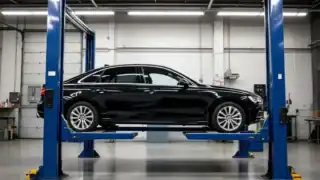
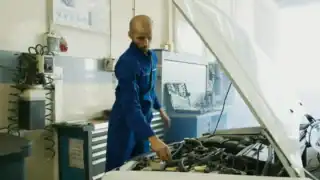
When you bring your Australian vehicle in, we start with a test drive to confirm the symptoms and location. A clicking or clunking noise that changes with steering angle almost always points to the CV joint on the side you’re turning towards. We lift the car, spin the wheels by hand, and inspect both axles visually—looking for torn boots, grease leakage, and any visible damage to the joint or shaft. For Australian-made and imported vehicles, we’re familiar with model-specific wear patterns and diagnostic procedures that help us pinpoint exactly which component has failed.
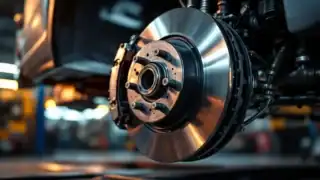
CV axle replacement typically involves removing the wheel, unbolting the brake calliper and rotor to access the hub, then disconnecting the axle from the gearbox and wheel hub. The old axle comes out as a complete assembly, and we fit the replacement. The process is straightforward but precise—alignment and torque specifications matter, and we make sure everything is seated properly before reassembly. Depending on the vehicle type and whether the other axle shows similar wear, we often recommend inspecting the opposite side at the same time.
We use quality replacement axles matched to your vehicle’s original specification. If your CV shaft or CV boot has failed, we address the root cause—whether it’s a worn joint, a torn boot that wasn’t replaced earlier, or damage from impact or rough driving—rather than just swapping parts without understanding why it failed. For constant velocity joint repair, we ensure the replacement meets OEM standards rather than cutting corners with cheap aftermarket alternatives.
What Affects the Cost and Time for CV Axle Replacement
The main variables are whether one or both axles need replacement, parts availability for your specific Australian vehicle model, and whether there’s any additional damage to the hub or suspension components once we remove the wheel. A straightforward single-axle replacement takes a few hours; if both need work, plan for most of a working day. We’ll confirm the scope and timeline once we’ve inspected the vehicle.
Labour costs reflect the actual job—not dealership rates—and parts are sourced for quality and fit, not to chase the lowest price tag. If we find the hub or bearing is also worn, we’ll flag that separately so you know exactly what’s needed and what can wait. CV joint repairs or CV boot replacement alone might be possible in some cases, but once internal wear is present, replacement is usually the safer option.
Why Choose ZP Automotive for CV Axle Replacement
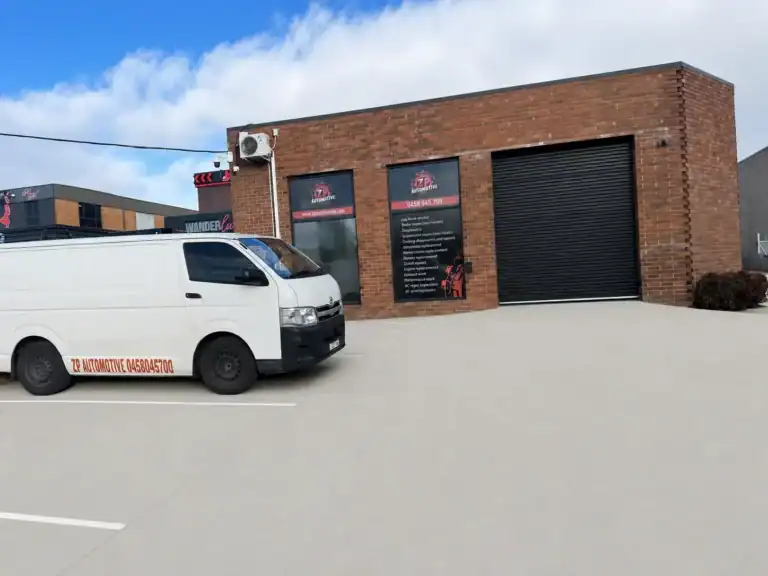
As an owner-operated workshop in Mitchell with over 10 years in the trade, we understand Australian vehicles inside out. We don’t upsell or use service advisors—you speak directly with the mechanic doing the work, so you get honest plain-English advice about what’s actually wrong and what it’ll cost. We source quality parts that match your vehicle’s spec and use proven brands, because a cheap aftermarket CV axle that fails in two years costs you more in the long run than doing it right the first time.
We’re also straightforward about timing and price. You’ll know what’s needed before we start, and we won’t suggest work you don’t need. If your vehicle is under manufacturer warranty and you need logbook servicing, CV axle replacement through an independent workshop like ZP Automotive doesn’t affect that protection—you keep your warranty intact while getting fair, transparent pricing. Our 5.0 verified reviews reflect our commitment to honest service and quality work.
For Australian vehicles, CV constant velocity joint repair or CV shaft replacement is something we handle regularly, and we take pride in getting it right. Whether it’s a CV boot replacement on a newer model or a full CV axle replacement on an older vehicle, you’re dealing with experienced mechanics who understand the specific needs of Australian-made and imported cars.
Book Your CV Axle Inspection in Mitchell Today
If you’ve heard clicking when turning, felt vibration through the wheel, or noticed torn rubber boots near your hubs, a CV axle inspection will give you clarity. Call and book now or claim your free inspection to have the axle checked properly. We’ll give you an honest assessment and a clear picture of what’s needed to get your Australian vehicle back to smooth, safe driving.